

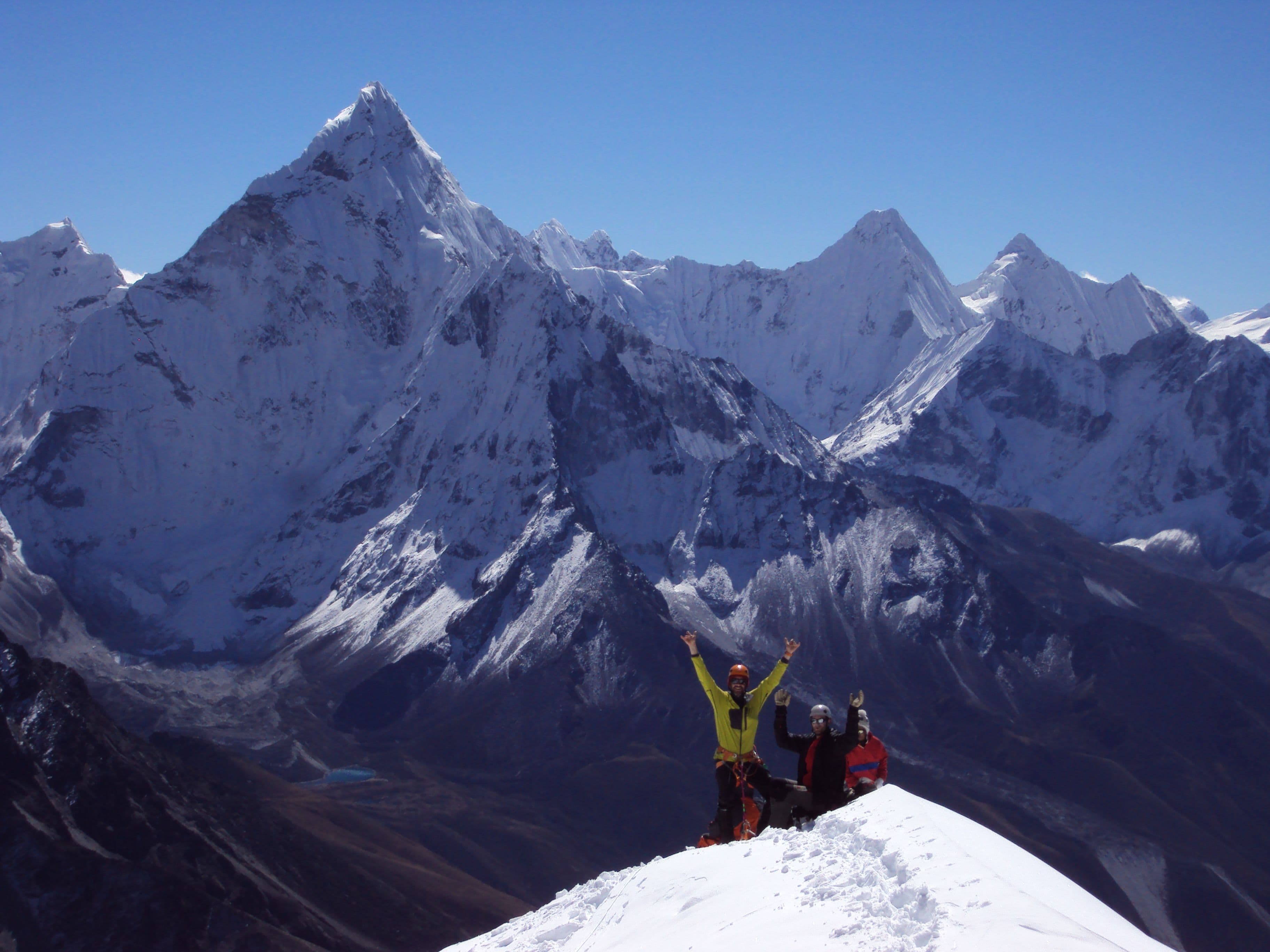
Lobuche East Peak Climbing
Overview
Nepal, as a tourist destination is good for all seasons, however, the best seasons for trekking to Dhampus are Spring (March – May) and Autumn (mid Sept. – mid Dec. ) if you are looking for nice views of clear mountain. This trek can be done in any month except January and February as it is too much cold.
Trekking accompanied by Yoga is a perfect blend to cope accordingly & manage stress. A lot of time we feel stressed because of our busy schedule. And there are many Yoga retreats which are done within a fixed location which sometime doesn’t go as you have thought. Therefore, Trekking with Yoga retreat in Himalayas comes to rescue this situation. In this retreat we have Yoga session along the trail. Most notably our session are done in the morning & evening. This helps get relief from your stress and along with it great mountain vistas plays immediate response to your stressful life.
Highlights:
Trekking Guide & Yoga Guru
Reach up to 3210m
Daily Yoga Class
Sunrise & Sunset View
Lobuche East Peak Climbing
Situating close to Khumbu glacier in Khumbu region at an altitude of 6119m (20075 ft.), Lobuche East Peak Climbing provides you with amazing moments of your life. You will explore panoramic views of many stunning Himalayas like:
Mt Everest (8848m / 29028ft.)
Amadablam (6812m / 22349ft.)
Cholatse (6440m / 21128ft.)
Kangtega (6782m / 22251ft.)
These mountains surround the enchanting forest area of pine and bamboos, which includes the habitat of many wild lives like:
Musk deer
Red panda
Wild yaks
Spotted deer
Not only this, trekking to Lobuche East, passing the Everest Base Camp trail, also provides you with a great chance to explore the famous Sherpa culture of Khumbu region with their different traditions, rituals, and beliefs.
What‘s Included
What‘s Excluded
Availability
Select your preferred departure date. Trip duration: 19 days
| Su | Mo | Tu | We | Th | Fr | Sa |
|---|---|---|---|---|---|---|
| Su | Mo | Tu | We | Th | Fr | Sa |
|---|---|---|---|---|---|---|
Number of Travellers
Select a date to book
Dates are subject to availability. Please contact us to confirm your preferred dates.
Itinerary
Altitude: 1,350m/4,428ft - Welcome to Kathmandu, the capital of Nepal! Our airport representative will welcome you and give short brief of the trip program.
Second day of the programme is succeeded with sightseeing around Kathmandu along with the trek preparation. Sightseeing includes tour around Swayambhunath (monkey temple), Bauddhanath (Buddhastupa), Pashupatinath/Biggest Hindu Temple & Patan Durbar Square
Meet up with the Sherpa guides and porters before heading off towards Phakding. The porters’ loads are organized here, in Lukla. Journey passes through Dudh Koshi (“Milk River”), and finally reaching to Phakding. Meals included: Breakfast, lunch and dinner and finally an overnight stay in trekking lodge.
Namche Bazaar is the main administrative and trading centre for the Khumbu region. With the inclusive of magnificent forests of blue pine, fir, juniper and rhododendron as well as first view of Everest, it helps you to control the anticipation of the thrilling journey. Meals included: Breakfast, lunch and dinner and finally an overnight stay in trekking lodge.
The acclimatization is best done with the hike that is by hiking upto to the valley of Bhote Koshi River (“River from Tibet”). Meals included: Breakfast, lunch and dinner and finally an overnight stay in trekking lodge.
The trek from Namche to Tengboche is unbelievably stunning, Far below is the Dudh Koshi and Thamserku, Kantenga, Ama Dablam, Lhotse and Everest rises in front. Woods, Rhododendron Forest, Mani Walls, Chorten (Stupas), and suspension bridges across the rivers make this a lovely walk Meals included: Breakfast, lunch and dinner and finally an overnight stay in trekking lodge.
From Dingboche we can enjoy the scenic views of Ama Dablam. Dingboche is the only place in the region where barley is produced. Tame pheasants are regularly seen in this area. Meals included: Breakfast, lunch and dinner and finally an overnight stay in trekking lodge.
Enjoy some time away from the trek to adjust to the higher altitude. Take it easy, enjoy the scenery, drink plenty of fluids, and prepare for the next day's hiking. Meals included: Breakfast, lunch and dinner and finally an overnight stay in trekking lodge.
The ascent towards Everest Base Camp continues through Alpine meadows and summer yak pastures towards the end of the moraine of the Khumbu Glacier. At the moraine, there are stone monuments to six sherpas who died in avalanche, as well as monuments to other climbers. From here, it is a steep, tough climb towards the village of Gorak Shep. Continue on towards Lobuche, where the view is straight towards Nuptse and the sunset is truly magnificent. Meals included: Breakfast, lunch and dinner and finally an overnight stay in trekking lodge.
The higher altitude makes this day's trekking quite challenging. The Changri Glacier looms ahead as the trek heads for Gorakshep, a small, usually frozen, lake, by lunchtime. Relax and get adjusted to the altitude before the attempt to reach Everest Base Camp. Meals included: Breakfast, lunch and dinner and finally an overnight stay in trekking lodge.
Today we trek to Kala Patthar and witness the closest view of Everest. The view from is the most stunning. The weather are generally chilly but it is nothing like enjoying the 360 degree view of amazing Mount Everest. Later, we return back to Lobuche. Meals included: Breakfast, lunch and dinner and finally an overnight stay in trekking lodge.
After arriving Lobuche, we take rocky trail to High camp for overnight. Early trek is relatively flatter but the trail gets steeper and rocky as we move along. The main attraction for this trail is Lobuche glacier and we cross the trail with help of ropes & our guides prepares tent for accommodation. Meals included: Breakfast, lunch and dinner with tea or coffee and finally an overnight stay in trekking lodge or tented camp.
Early in the morning (around 12-1 A.M), we take breakfast and head on toward Summit. Why so early, the winds are fast in the afternoon making it difficult to ascend. After successful summit you can expect full panoramic view of blazing mountains including Everest, Lhotse, Nuptse, Ama Dablam, Cholatse, Pumori and many more. We spend some time enjoying our victory and return back to High Camp. You summit the peak with help of rope and the climb begins with rock surface in the beginning and ice surface follows up after. Meals included: Breakfast, lunch and dinner with tea or coffee and finally an overnight stay in trekking lodge or tented camp.
Reserve days are important for any incidents which are mostly out of Human control like bad weather for climbing. Ensuring a successful climb means setting aside an extra day. Meals included: Breakfast, lunch and dinner with tea or coffee and finally an overnight stay in trekking lodge or tented camp.
Return journey begins today as we descend downhill and get connected with Everest Base Camp Route at Lobuche again. After taking breakfast and resting for a while we trace back to Pheriche - from here we get to enjoy magnificent view of Mount Ama Dablam. Trekking further downhill and enjoying the hillside covered with rhododendrons and juniper trees, we reach Pangboche Village - Here you can visit famous Pangboche Monastery. Meals included: Breakfast, lunch and dinner with tea or coffee and finally an overnight stay in trekking lodge or tented camp.
Descending through Imja Khola and passing by the forest to Tengboche, we continue our trek through the bridge which is over the Dudh Koshi River. From there, the forest reaches Sansa and we can see different animals including mountain goat, snow leopards, pheasants, etc. Then finally we reach Namchhe Bazaar. Meals included: Breakfast, lunch and dinner with tea or coffee and finally an overnight stay in trekking lodge or tented camp.
The final day of our trek returns back to Lukla. Relax after the rigorous adventure and reflect on the challenges just undertaken. Meals included: Breakfast, lunch and dinner with tea or coffee and finally an overnight stay in trekking lodge or tented camp.
We take the short flight back to Kathmandu, where the rest of the day is free for shopping, sightseeing, or relaxing in one of the many rooftop cafes. Meals included: Breakfast, and finally an overnight stay in hotel. Attend the dinner and cultural program provided by the company.
Our representative drive you to the Airport for your safe journey home or you can join for another thrilling adventure. We can right away arrange you next quality trip.
FAQs about
the trip
Nepal, as a tourist destination is good for all seasons, however, the best seasons for trekking to Kanchenjunga region are Spring (March – May) and Autumn (mid Sept. – mid Dec. ). Trekking in autumn season is noted for clear weather and excellent views of silvery mountains against blue sky. It gets colder towards the end of December. This trek can be done in any month except January and February.
Nepal, as a tourist destination is good for all seasons, however, the best seasons for trekking to Kanchenjunga region are Spring (March – May) and Autumn (mid Sept. – mid Dec. ). Trekking in autumn season is noted for clear weather and excellent views of silvery mountains against blue sky. It gets colder towards the end of December. This trek can be done in any month except January and February.
Nepal, as a tourist destination is good for all seasons, however, the best seasons for trekking to Kanchenjunga region are Spring (March – May) and Autumn (mid Sept. – mid Dec. ). Trekking in autumn season is noted for clear weather and excellent views of silvery mountains against blue sky. It gets colder towards the end of December. This trek can be done in any month except January and February.
Nepal, as a tourist destination is good for all seasons, however, the best seasons for trekking to Kanchenjunga region are Spring (March – May) and Autumn (mid Sept. – mid Dec. ). Trekking in autumn season is noted for clear weather and excellent views of silvery mountains against blue sky. It gets colder towards the end of December. This trek can be done in any month except January and February.
Nepal, as a tourist destination is good for all seasons, however, the best seasons for trekking to Kanchenjunga region are Spring (March – May) and Autumn (mid Sept. – mid Dec. ). Trekking in autumn season is noted for clear weather and excellent views of silvery mountains against blue sky. It gets colder towards the end of December. This trek can be done in any month except January and February.
Nepal, as a tourist destination is good for all seasons, however, the best seasons for trekking to Kanchenjunga region are Spring (March – May) and Autumn (mid Sept. – mid Dec. ). Trekking in autumn season is noted for clear weather and excellent views of silvery mountains against blue sky. It gets colder towards the end of December. This trek can be done in any month except January and February.
Nepal, as a tourist destination is good for all seasons, however, the best seasons for trekking to Kanchenjunga region are Spring (March – May) and Autumn (mid Sept. – mid Dec. ). Trekking in autumn season is noted for clear weather and excellent views of silvery mountains against blue sky. It gets colder towards the end of December. This trek can be done in any month except January and February.
Nepal, as a tourist destination is good for all seasons, however, the best seasons for trekking to Kanchenjunga region are Spring (March – May) and Autumn (mid Sept. – mid Dec. ). Trekking in autumn season is noted for clear weather and excellent views of silvery mountains against blue sky. It gets colder towards the end of December. This trek can be done in any month except January and February.
Nepal, as a tourist destination is good for all seasons, however, the best seasons for trekking to Kanchenjunga region are Spring (March – May) and Autumn (mid Sept. – mid Dec. ). Trekking in autumn season is noted for clear weather and excellent views of silvery mountains against blue sky. It gets colder towards the end of December. This trek can be done in any month except January and February.
Nepal, as a tourist destination is good for all seasons, however, the best seasons for trekking to Kanchenjunga region are Spring (March – May) and Autumn (mid Sept. – mid Dec. ). Trekking in autumn season is noted for clear weather and excellent views of silvery mountains against blue sky. It gets colder towards the end of December. This trek can be done in any month except January and February.
Nepal, as a tourist destination is good for all seasons, however, the best seasons for trekking to Kanchenjunga region are Spring (March – May) and Autumn (mid Sept. – mid Dec. ). Trekking in autumn season is noted for clear weather and excellent views of silvery mountains against blue sky. It gets colder towards the end of December. This trek can be done in any month except January and February.
Speak to an Expert
Suresh Bhandari
Leave a Reply
Your email address will not be published.