Featured
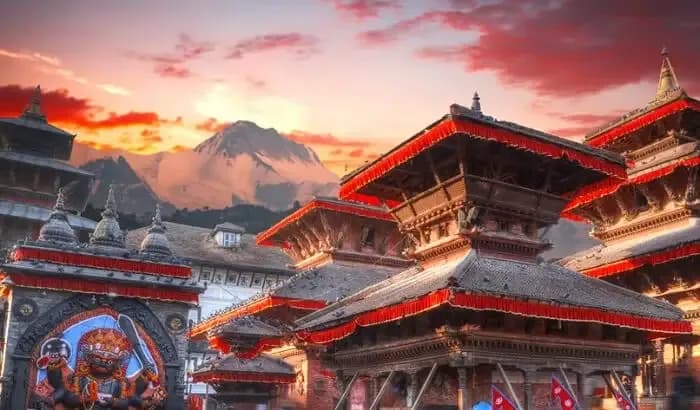
Trekking in Nepal
From one-day hikes above Kathmandu to three-week circuits over 5,000 m passes. Teahouse treks with local guides in the Everest, Annapurna, Langtang and Manaslu regions.
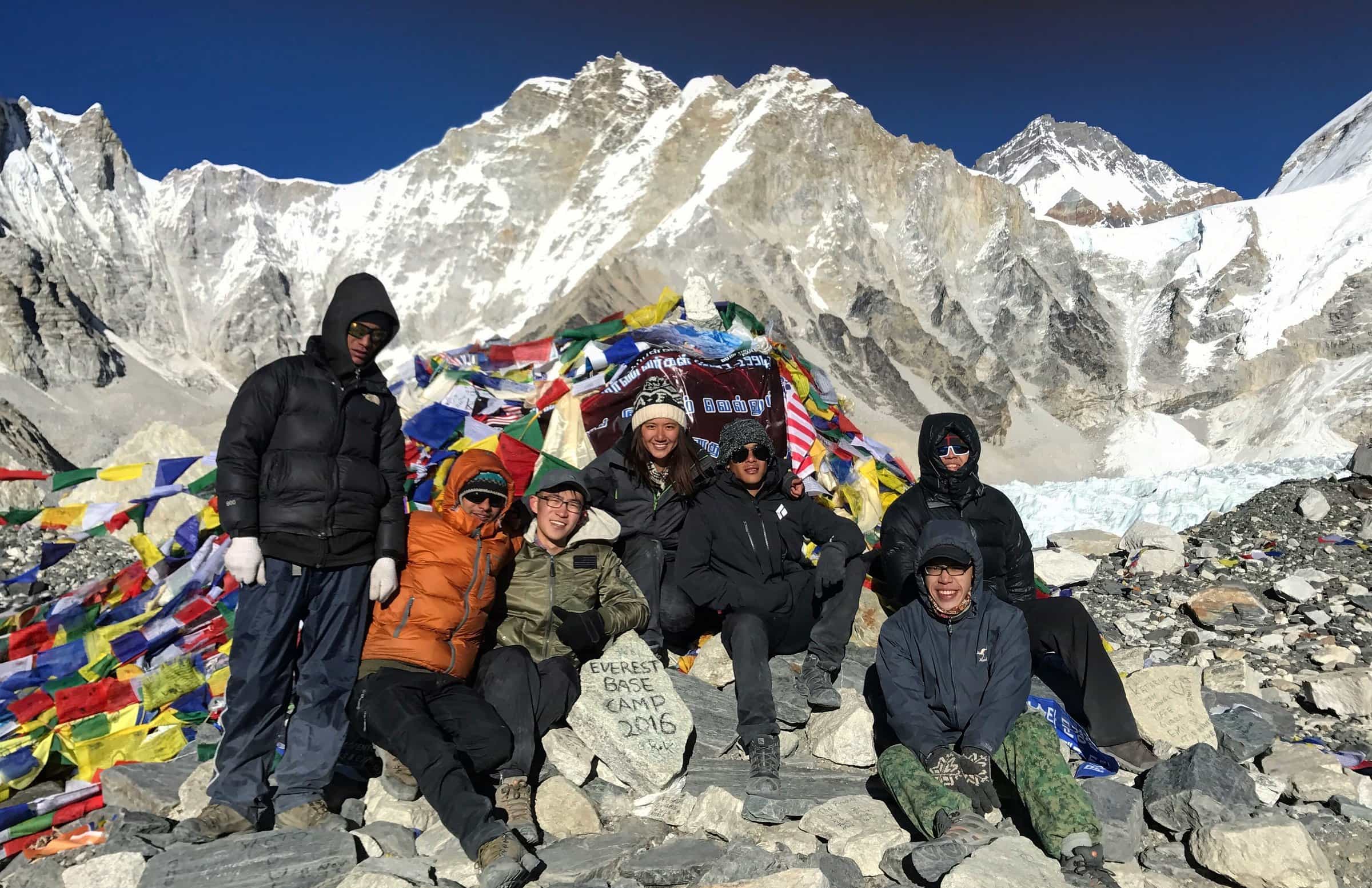
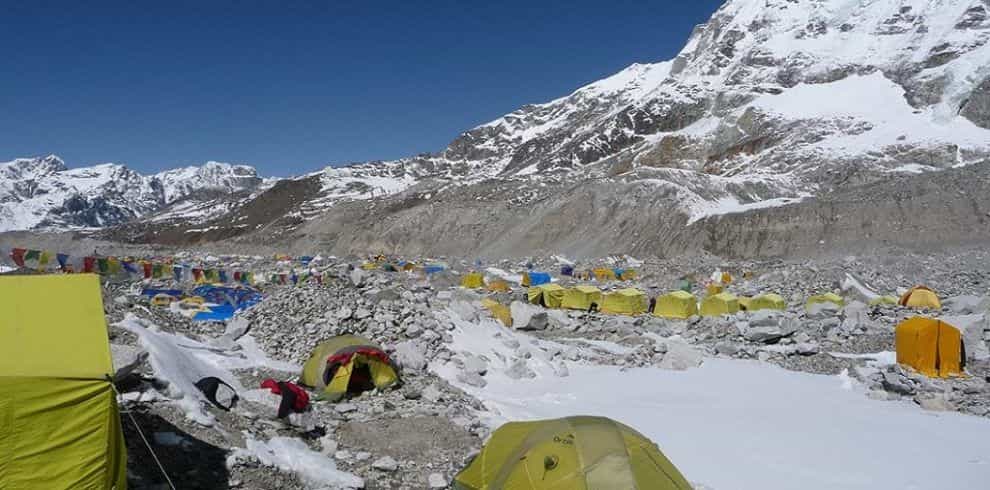
Nepal's classic treks
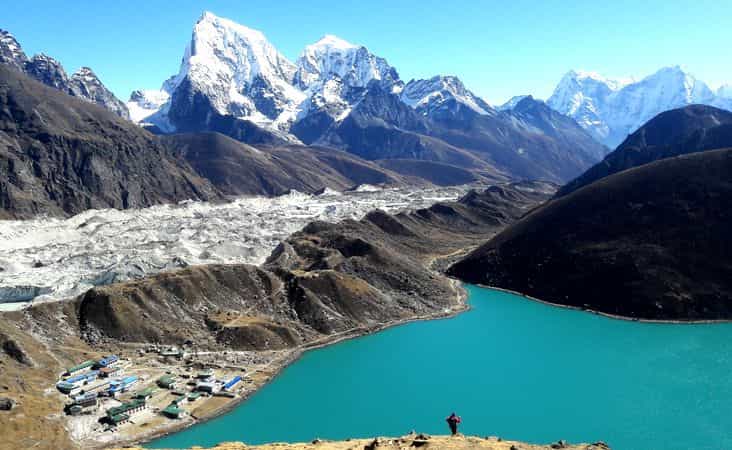
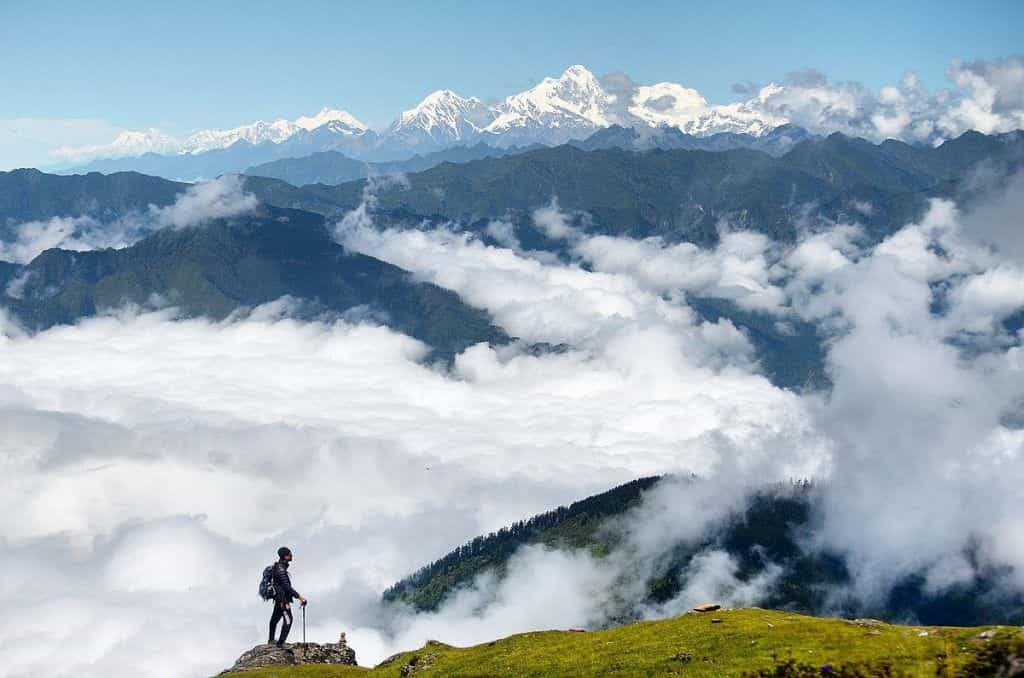
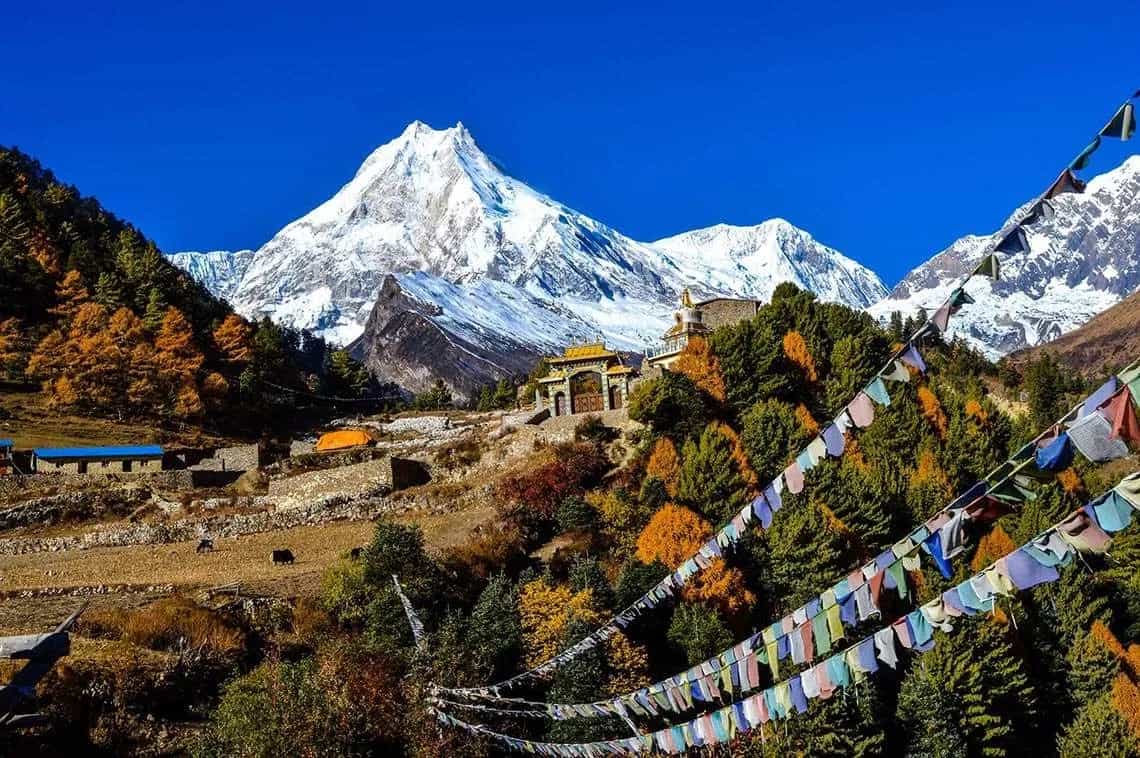
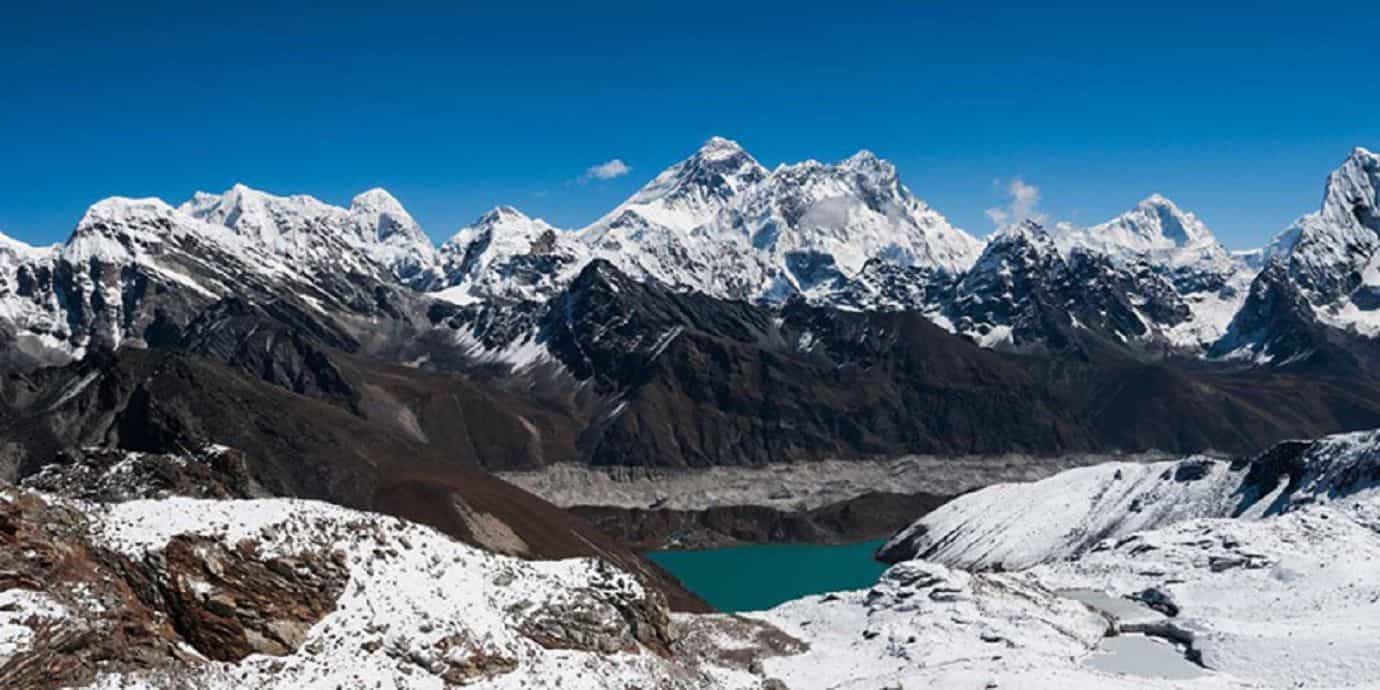
The routes most trekkers dream about, from Everest Base Camp to the Annapurna Circuit.
Where to trek
Treks by region
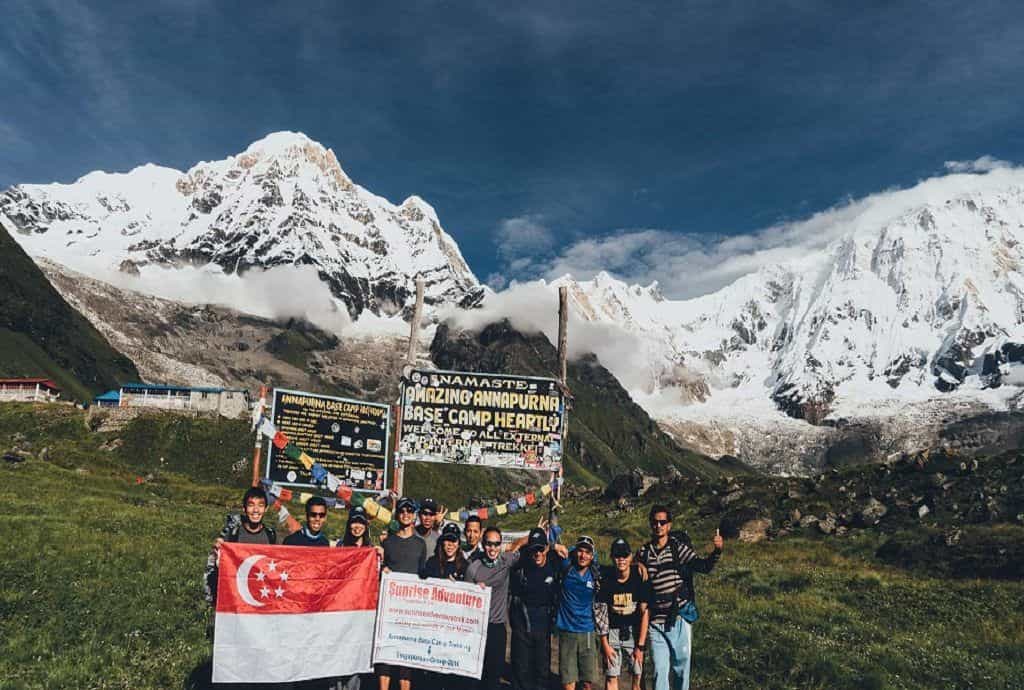
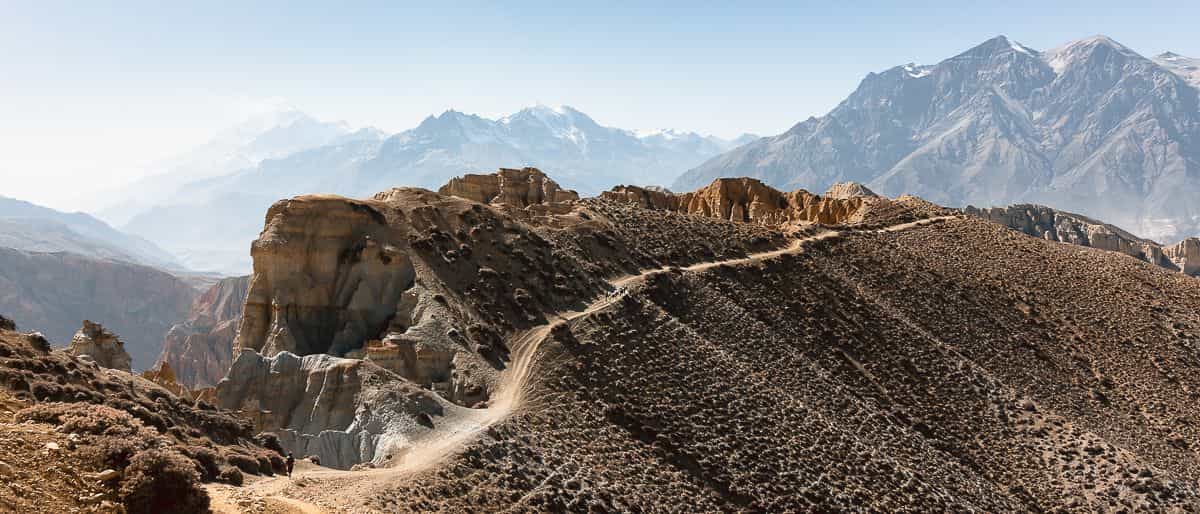
Each region has its own mountains, people and pace. Start with the one that fits you.
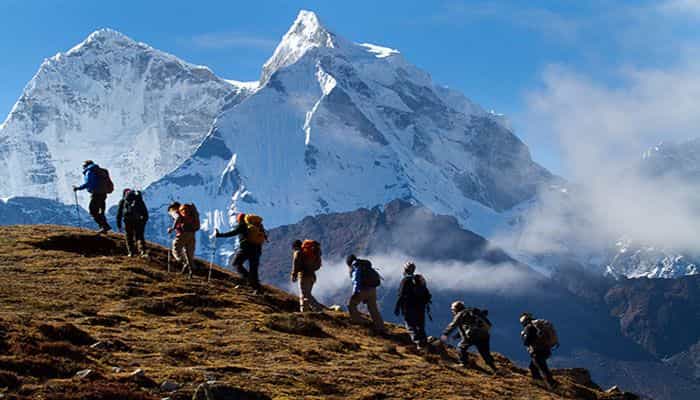
What a trekking day looks like
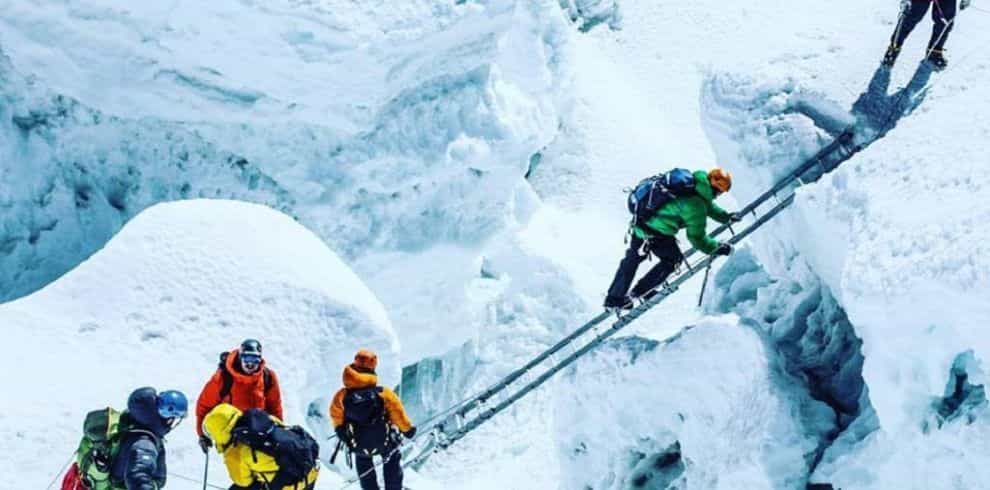
No technical skills needed. Just steady walking, simple lodges and a team that takes care of the rest.
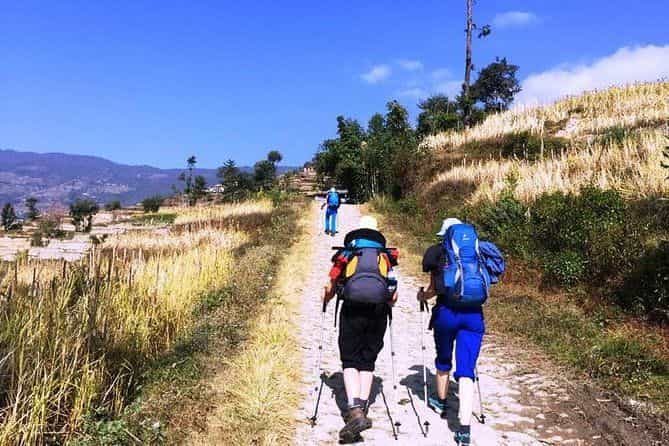
Up to 8 hours on the trail
Most itineraries keep daily distances comfortable, so you are ready for the next day.
Teahouse nights
On the popular routes you sleep and eat in simple family-run lodges along the trail.
Guides and porters
We match guides and porters to your group size and the load you need carried.
Help if altitude hits
First aid and a descent to lower altitude; helicopter rescue in serious cases, covered by your travel insurance.
Short on time?
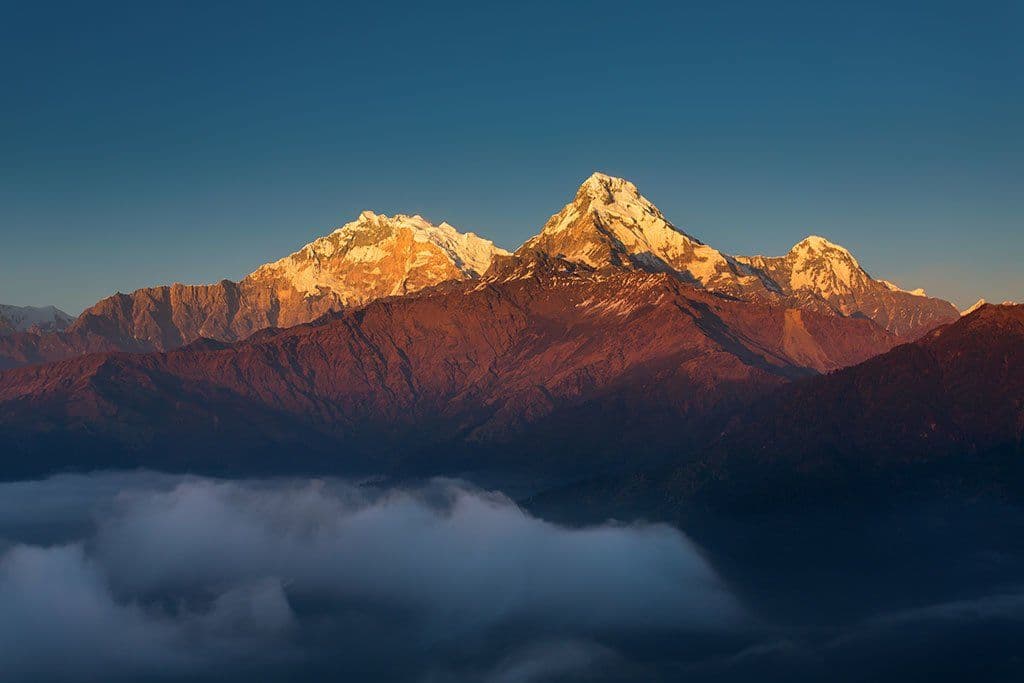
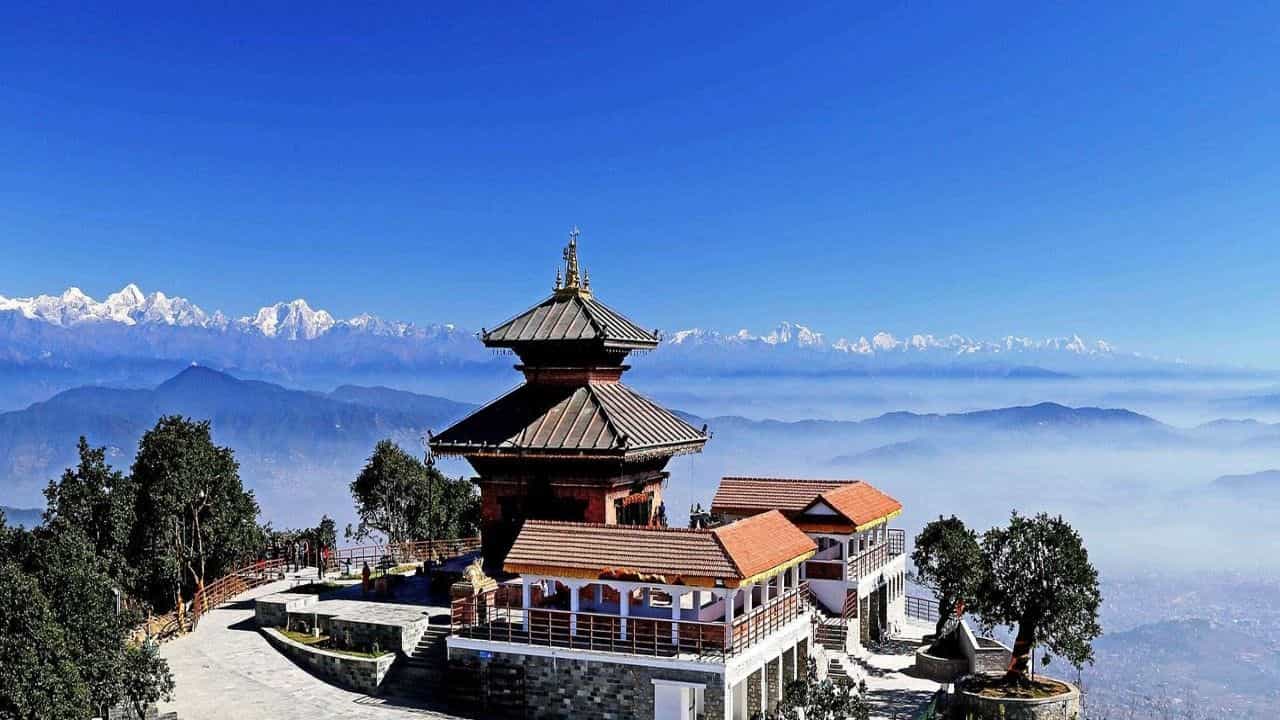
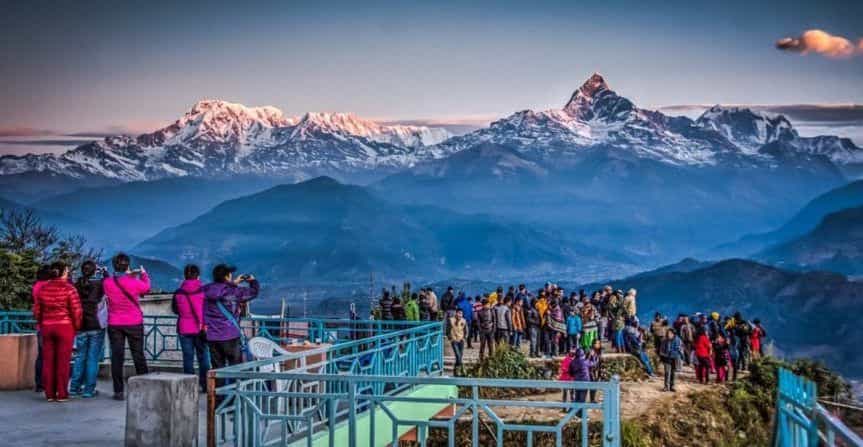
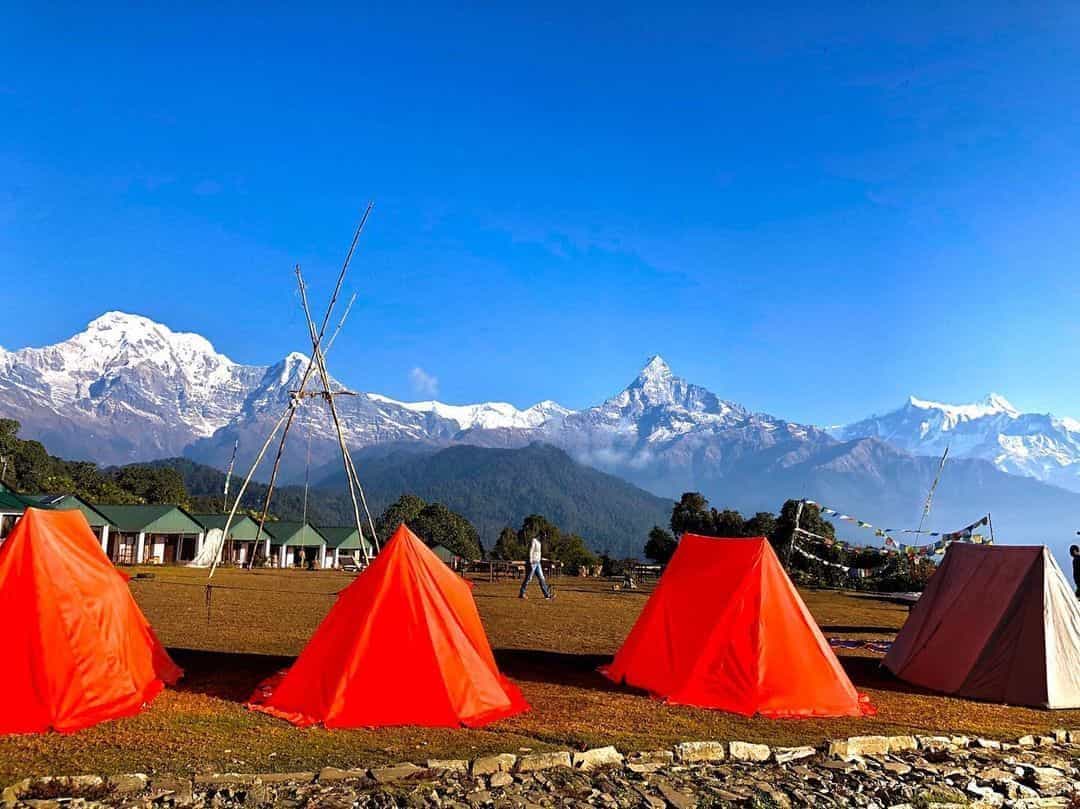
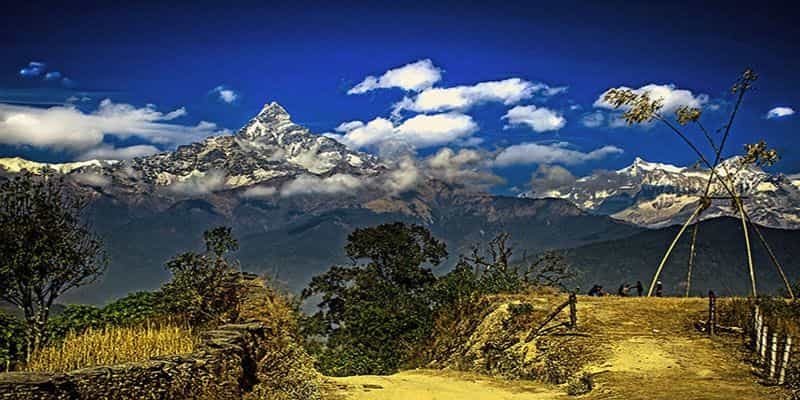
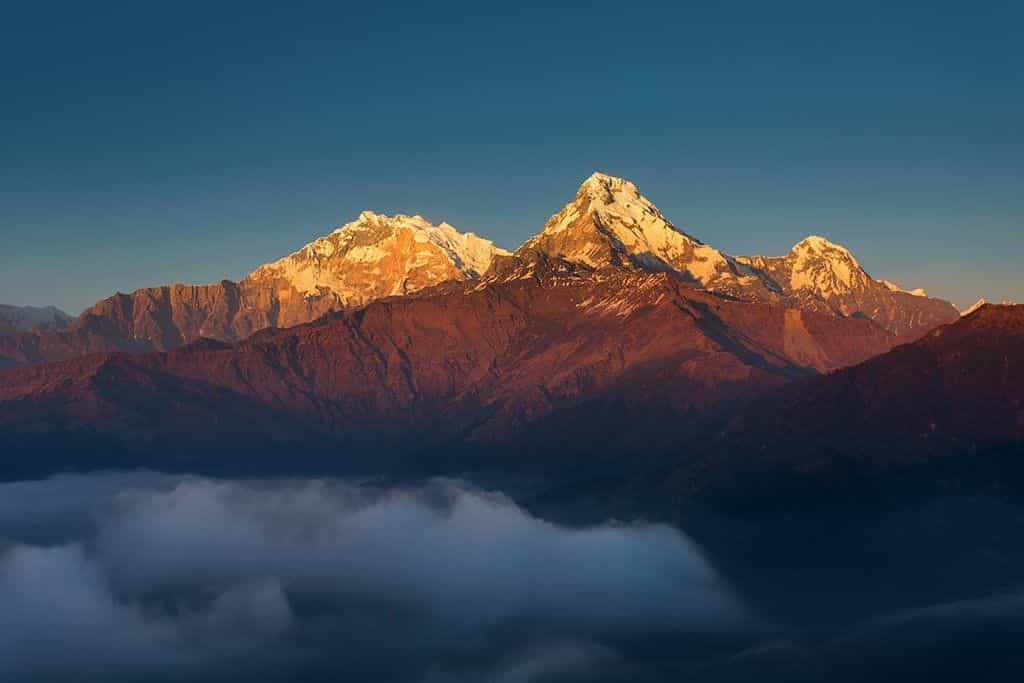
Day hikes and short treks around Kathmandu and Pokhara, with real mountain views.
Plan your timing
When to trek
Autumn and spring are the classic seasons, but there is a good trek in every month.
Spring
Mar – May
High28°Low12°
Monsoon
Jun – Aug
High29°Low20°
Autumn
Sep – Nov
High26°Low13°
Winter
Dec – Feb
High20°Low3°
Approximate daytime highs and night-time lows in Kathmandu (1,400 m), in °C. Nights are much colder at altitude.
Trekking at a glance
The numbers behind the treks we run.
Best seasons
Autumn & spring
Oct – Nov and Mar – May: clear skies, stable trails
Trek lengths
1 to 89 days
From day hikes to the Great Himalaya Trail
Highest points
Over 5,000 m
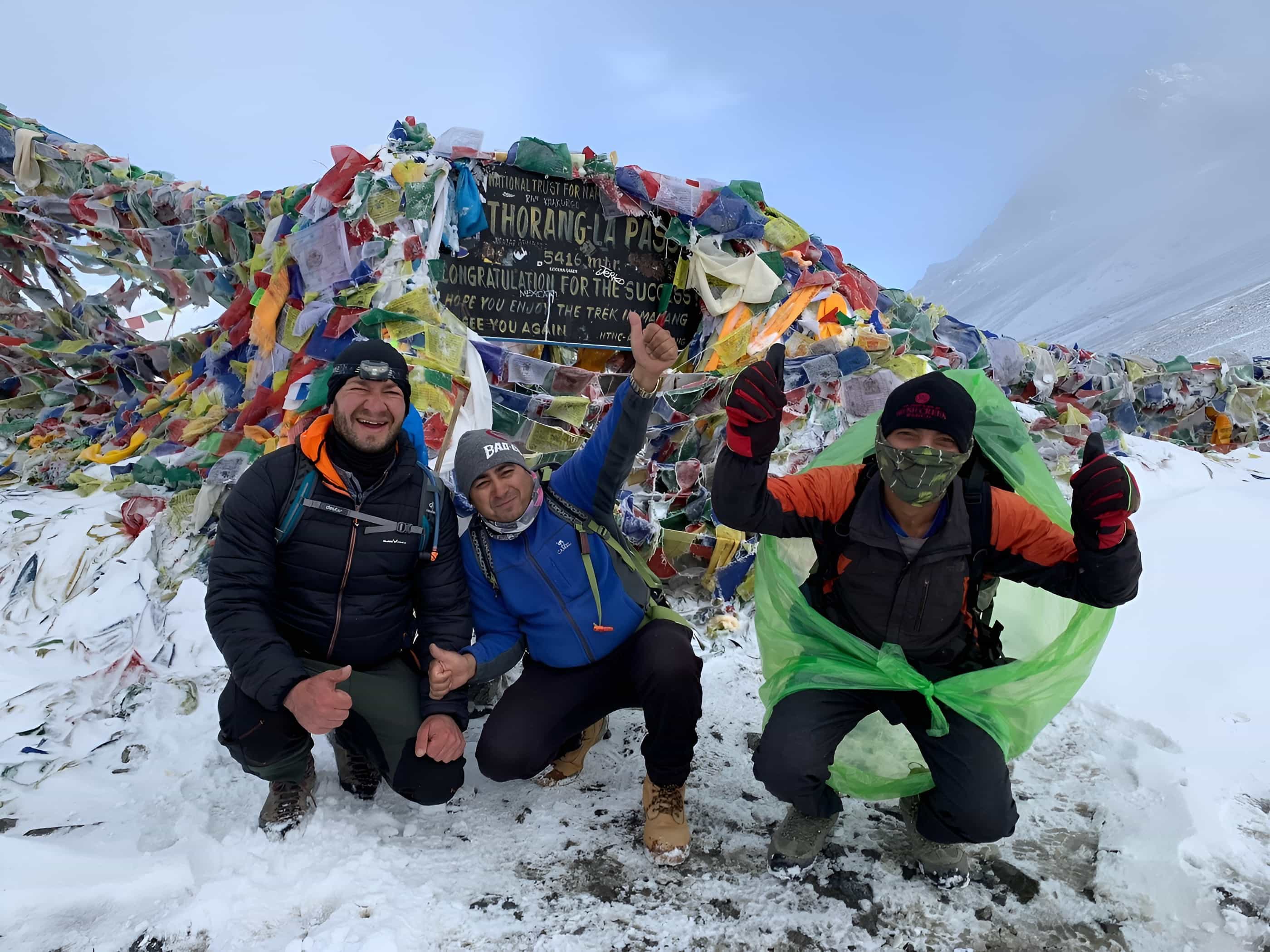
Thorong La, Kala Patthar and the Everest high passes
Visa
On arrival
For most nationalities, at Kathmandu airport
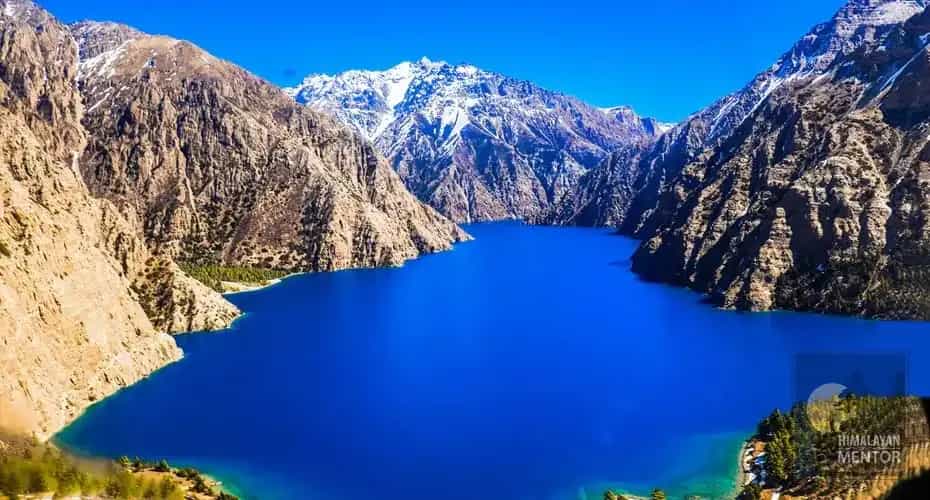
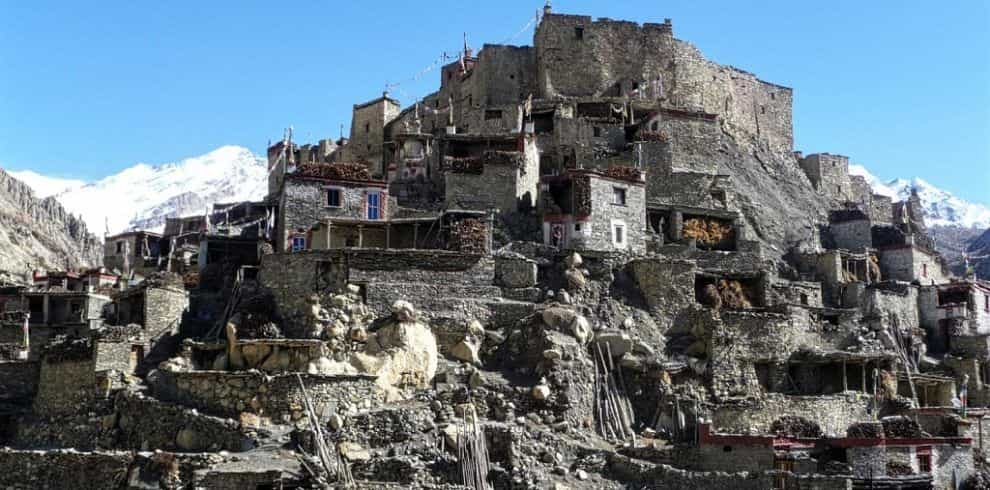
Off the beaten path
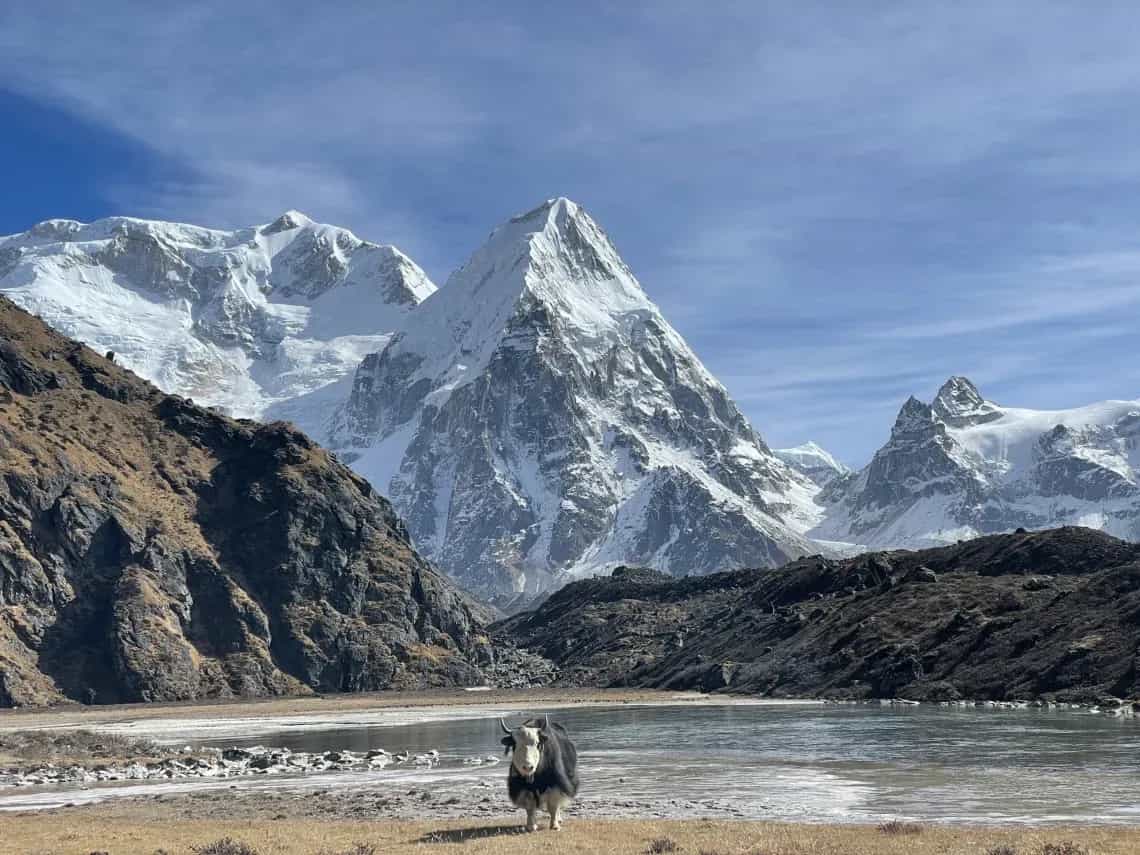
Remote valleys and restricted areas for trekkers who want quieter trails.
Traveller stories
Trekkers on trekking with us
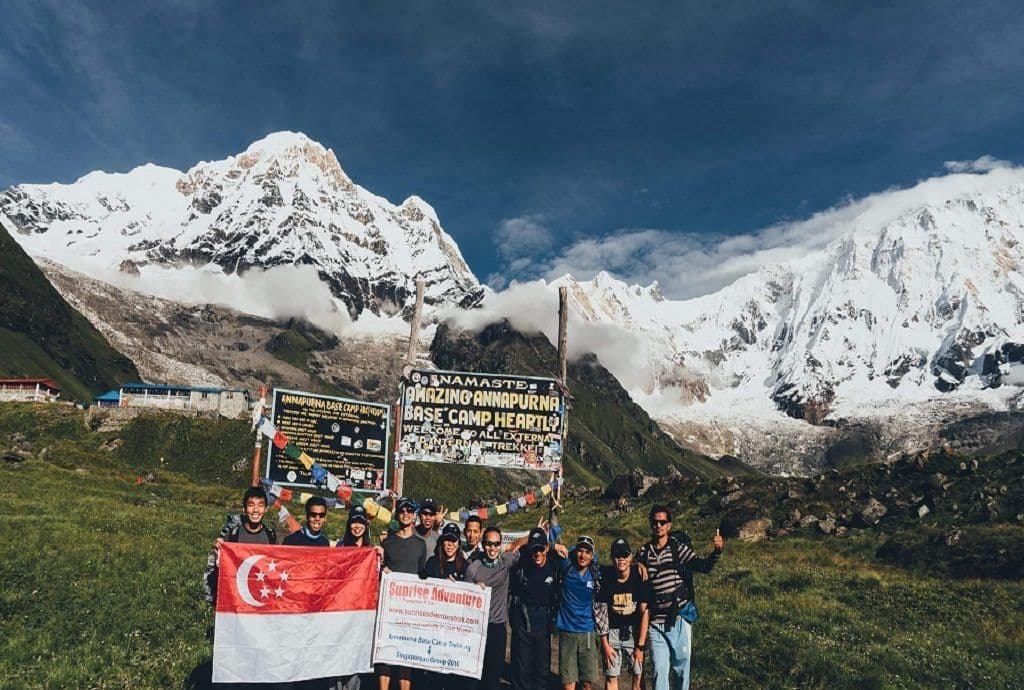
Reviews from travellers who walked the Annapurna and Poon Hill trails with our guides.
Happy travellers
/5
Overall rating


Your guides
Walk with people who know the way
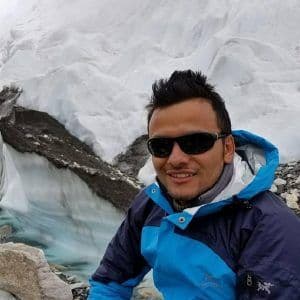
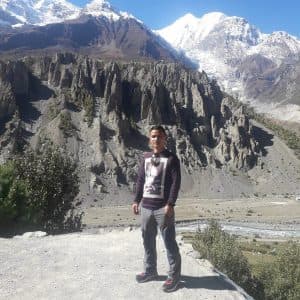
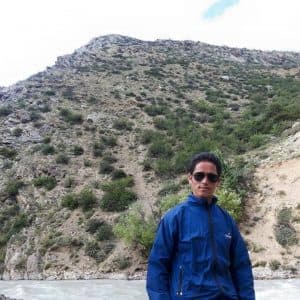
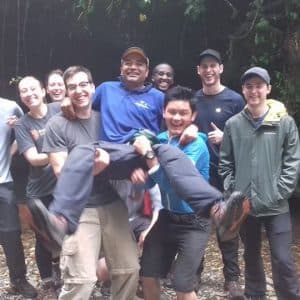
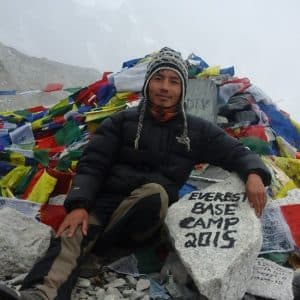
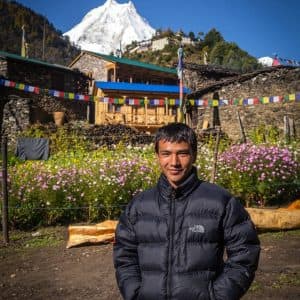
Our trekking guides come from villages across Nepal, from Dhading and Kavre to the far west.
Travel stories
Plan your trek
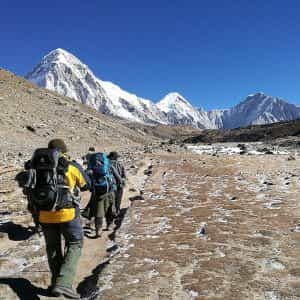
Guides from our team on seasons, gear, food and choosing your first trek.


Good to know
Life on the trail
Food, water, power and keeping in touch on a Nepal trek.
Trekking days will depend on which month you are traveling. Usually, you will be trekking up-to maximum of 8 hours per day. The trekking might be challenging if you are reasonably fit but it won’t be that exhausting. Many trips are designed with a comfortable distance so that you can be ready for the next day.
Most of the popular trails there is pretty option to choose meals from continental, Italic, Chinese, Indian etc menus including different soups, rice dishes, and noodles. But on least popular trails and remote areas, the option is limited with typical Nepali meal like Dal Bhat and curry or instant noodles.
Nice question. And yes, bottled mineral water is available in almost every teahouse while trekking. You need to purchase it and as higher you go the cost of mineral water also goes up. If you want to enjoy the river water of the Himalayas, you might need water filtering tablets like iodine/water guard.
Of course! You can charge your gadgets in many of the lodges while on the trek but you will need to pay extra. It is better to bring in portable solar or extra battery because most of the trekking lodges with charging facility are more like hit or miss thing.
Somewhat communication is possible in many of the trekking trails with the exception of some of the extremely rural areas. In that case, you should carry the satellite phone for communication, cell phone.
Tipping in Nepal is not mandatory but it is expected at the end of the trip. Normally tipping minimum 10% of your total payment. But you can tip according to your happiness and satisfaction, performance and their behavior.
Tell us your dates and we'll suggest a trek
Share how many days you have and how fit you feel. Our local team will recommend a route and tailor it to you.