Featured
Peak climbing and expeditions in Nepal
Climbing peaks from about 5,500 m to over 6,800 m, and full expeditions on 8,000 m giants like Cho Oyu, Manaslu and Everest, with our local mountaineering guides.
Signature summits
Choose your summit
Popular climbs, from a first 6,000 m peak to the technical Ama Dablam.
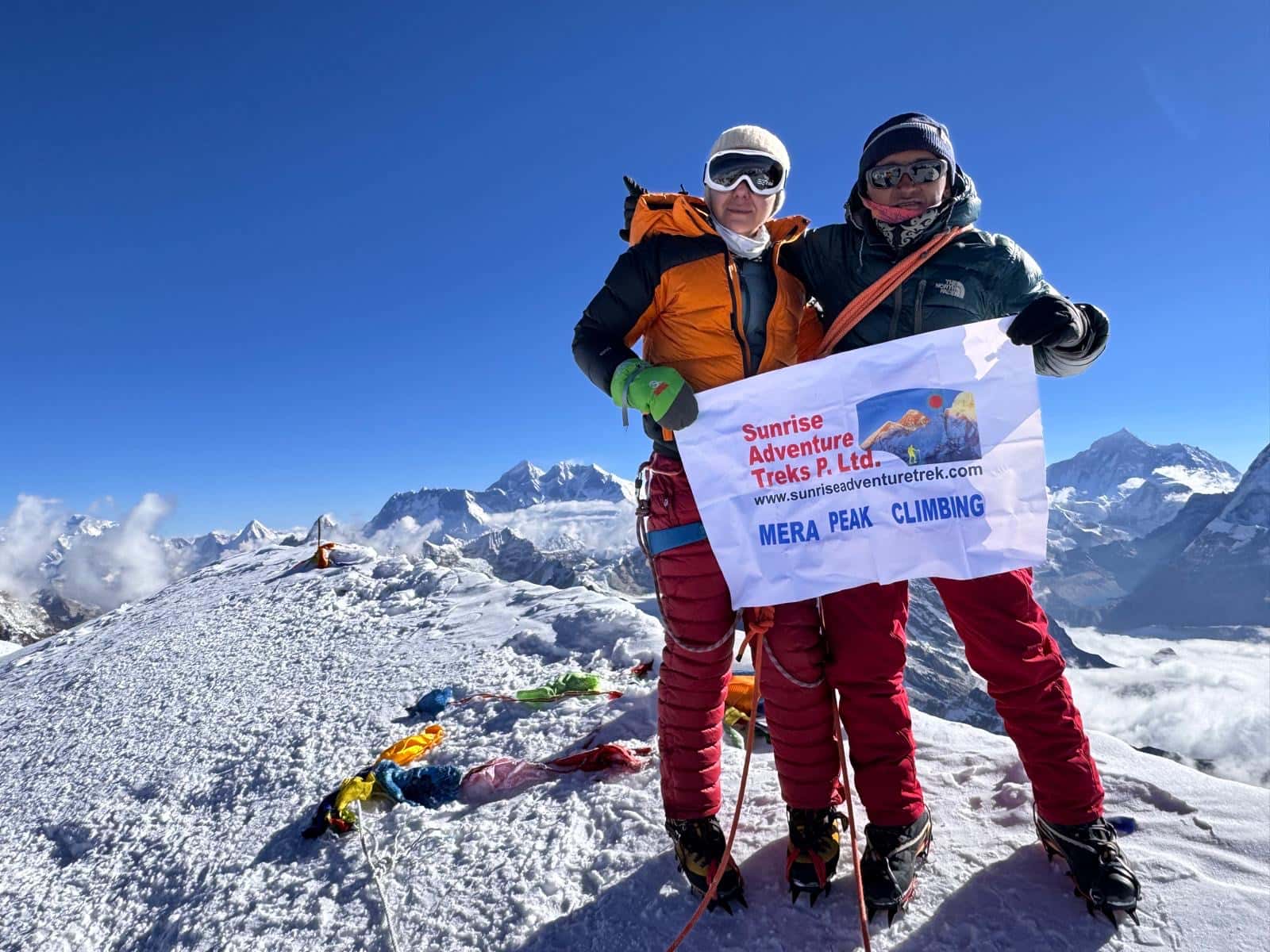
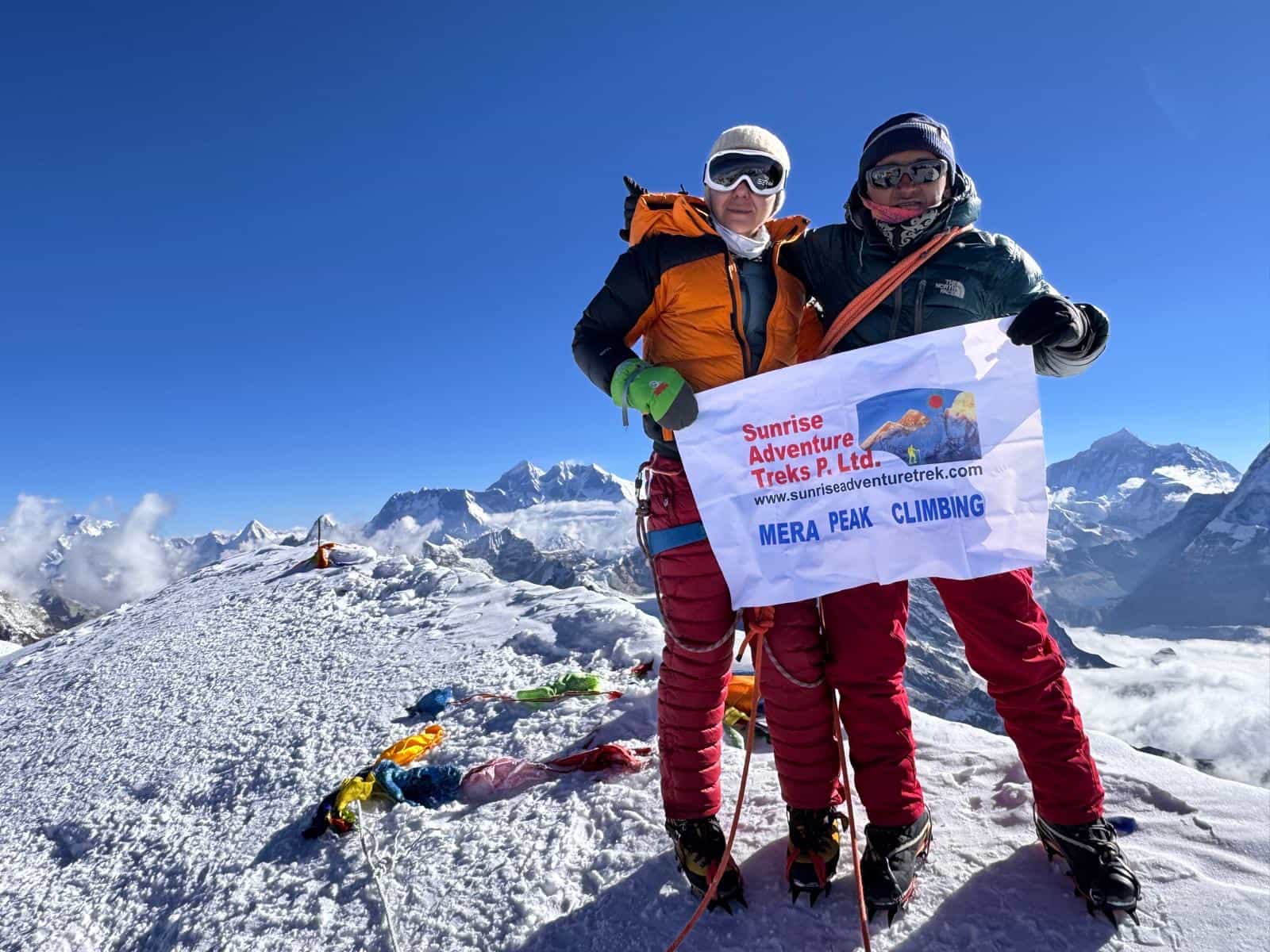
6,476 mMera Peak, one of his summits
Your climbing guide
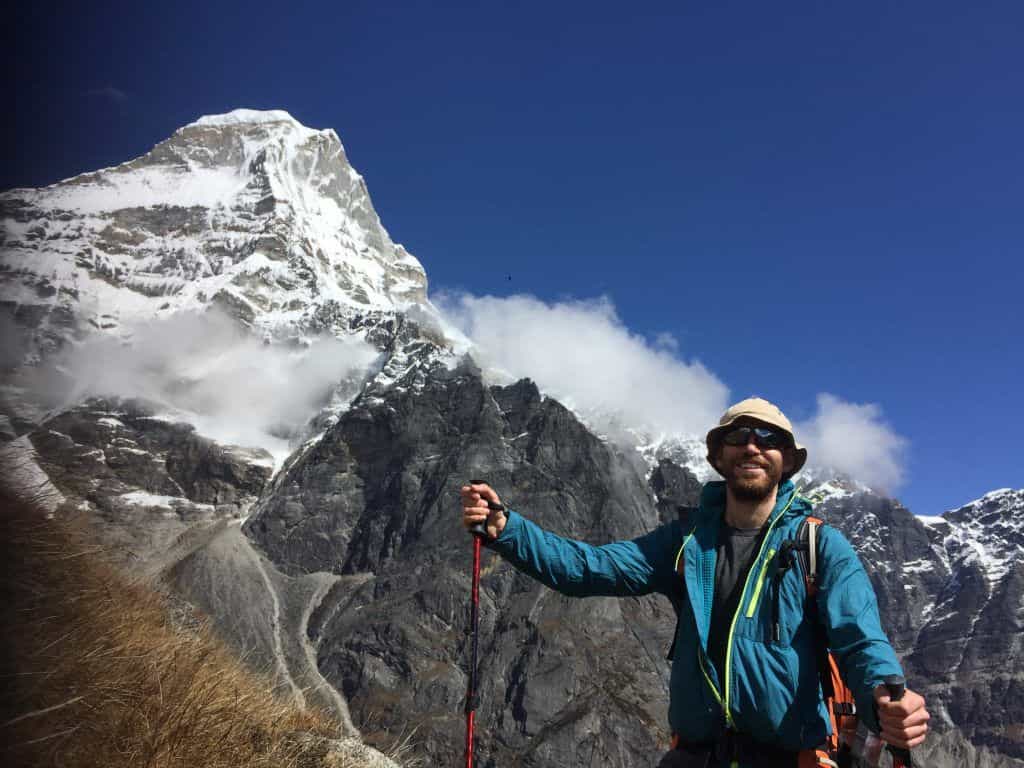
Meet Angchiring Sherpa
Angchiring was born in the Everest region of Nepal and is one of the experienced, qualified mountaineering guides in our team.
He has climbed Island Peak, Mera Peak and Yala Peak, and guided on famous trails like the Annapurna, Dhaulagiri and Everest treks.
Guests know him for his friendly manner and warm hospitality.
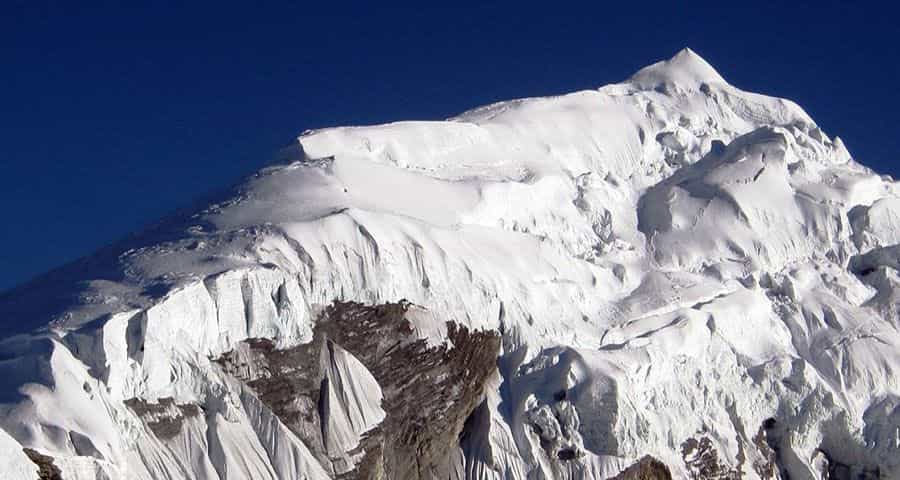
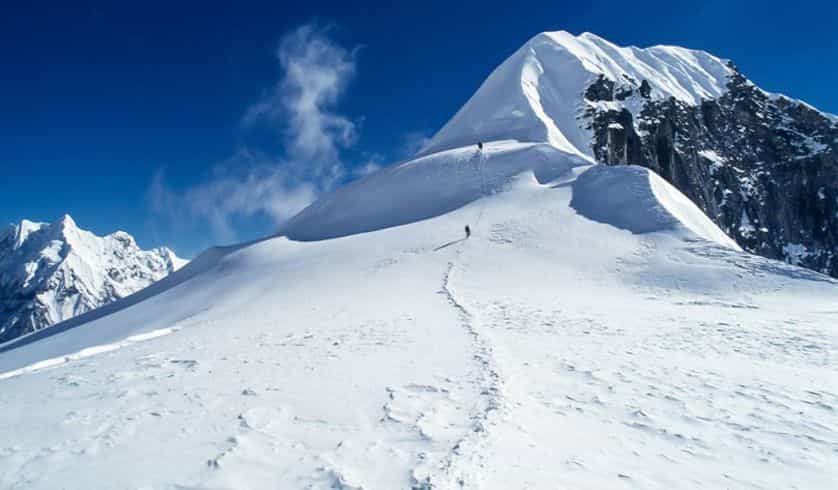
6,000 m trekking peaks
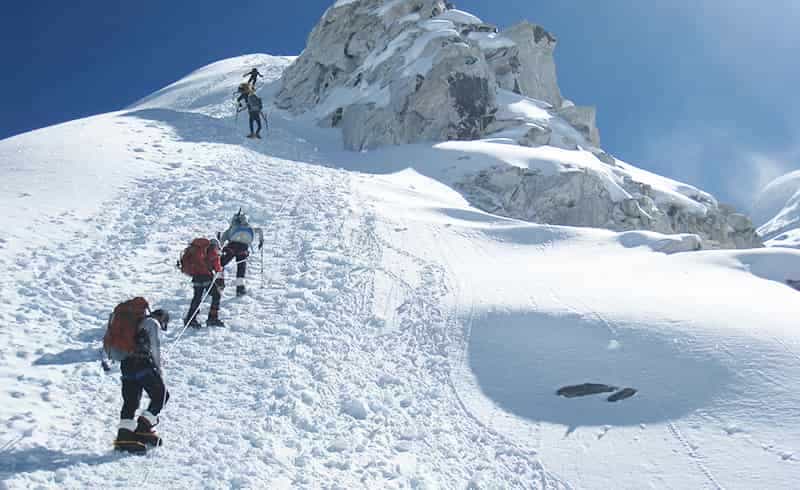
Strenuous climbs across the Everest, Annapurna and Manaslu areas for fit, experienced trekkers.
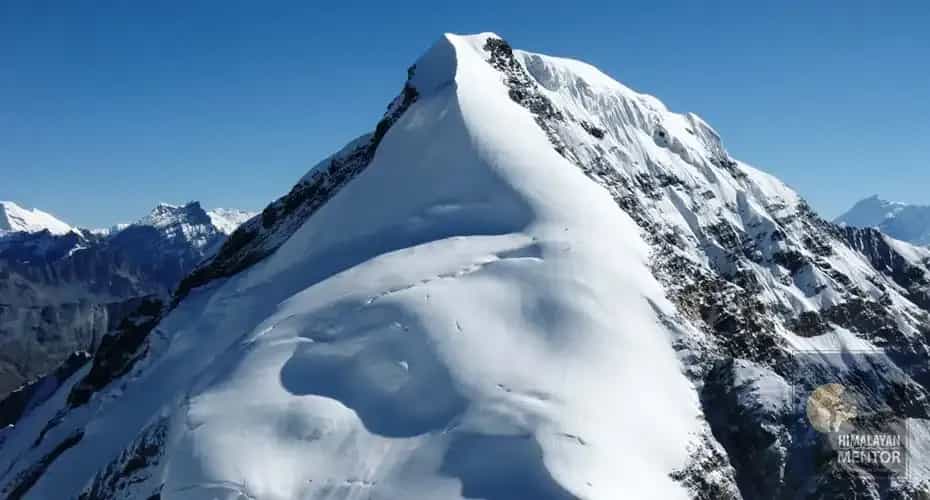
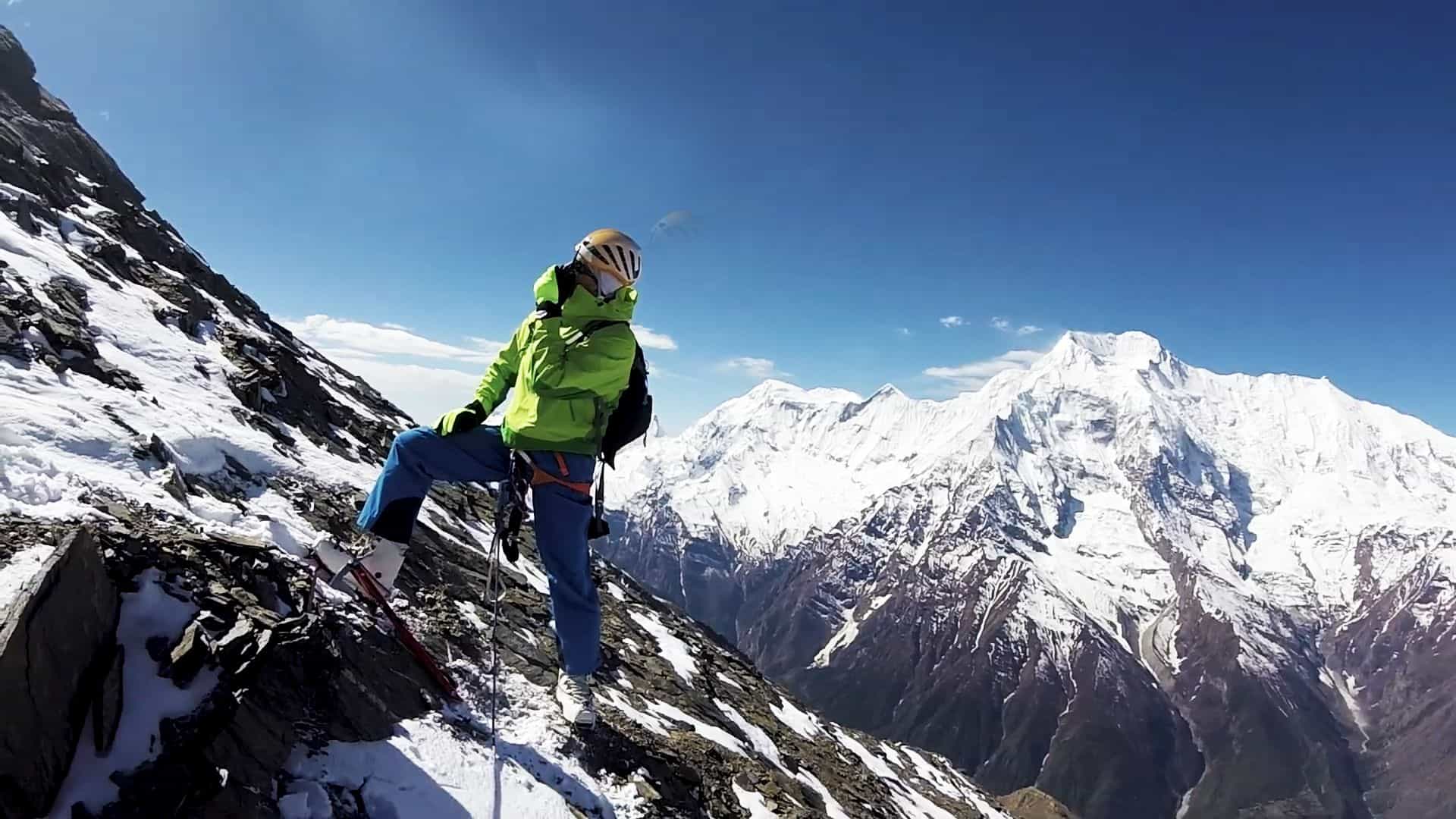
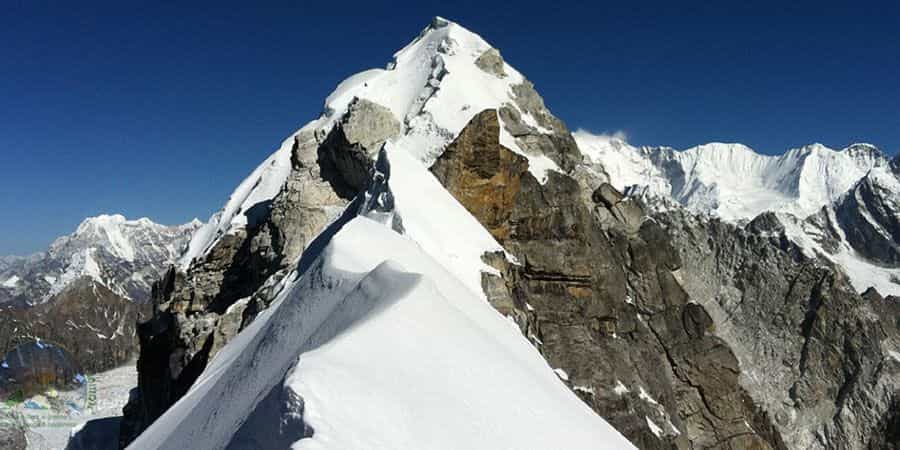
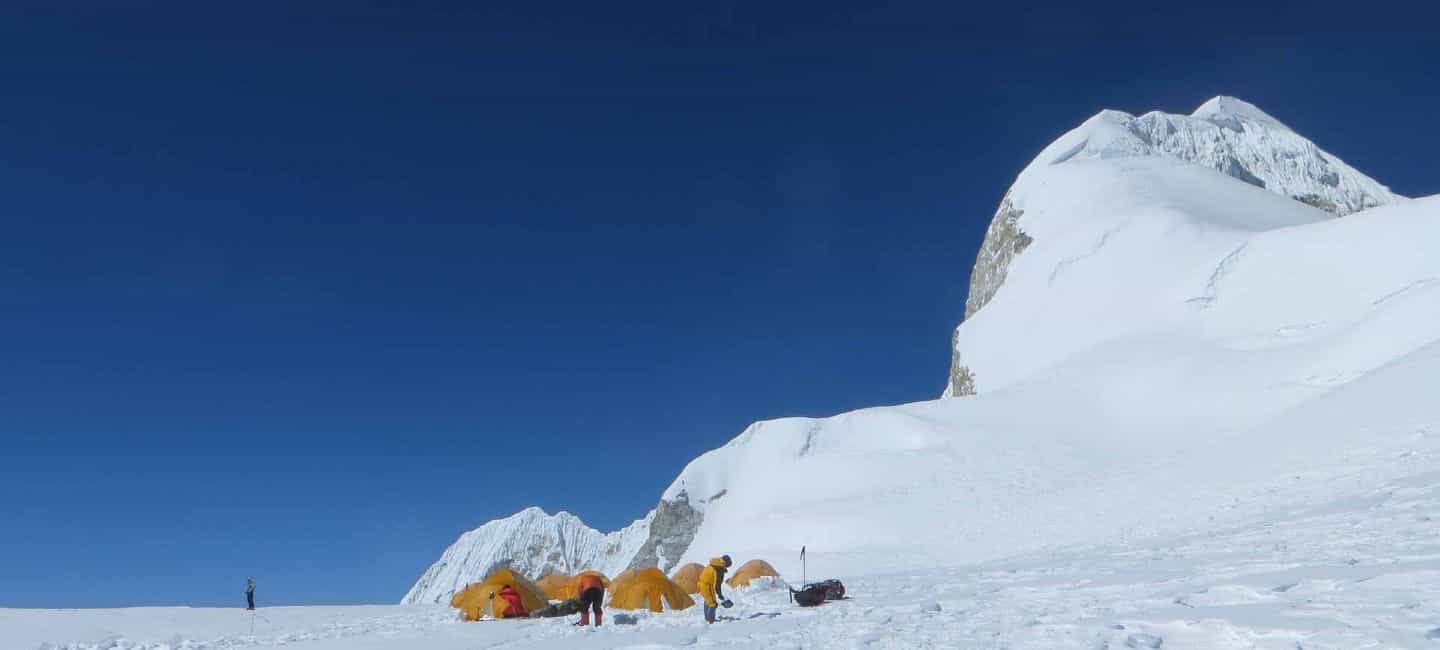
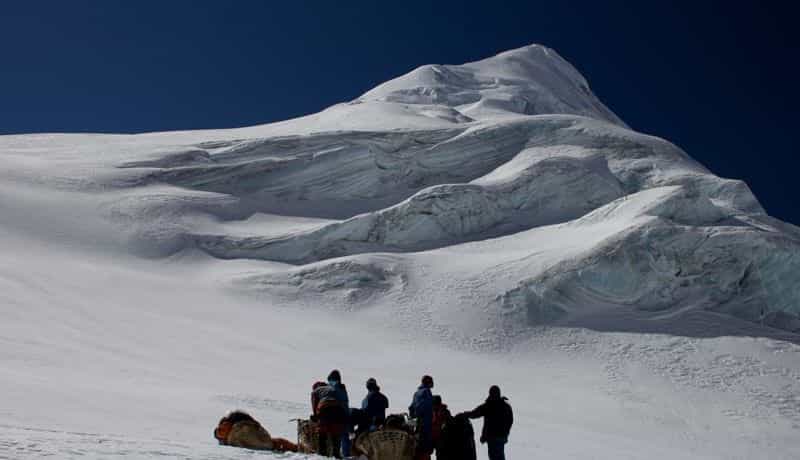
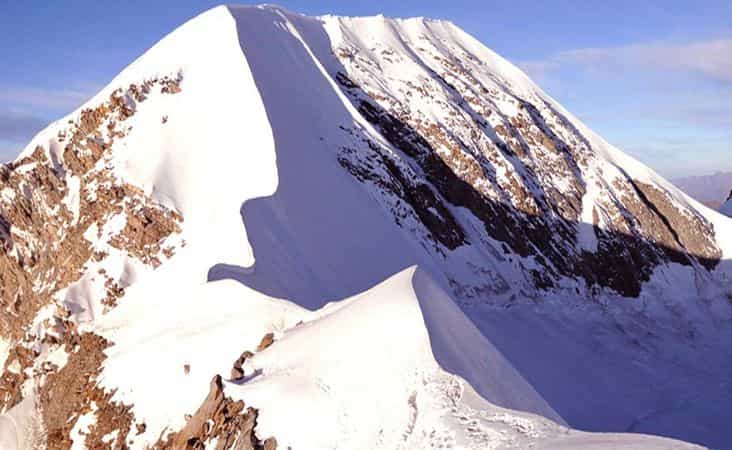
First climb? Start here
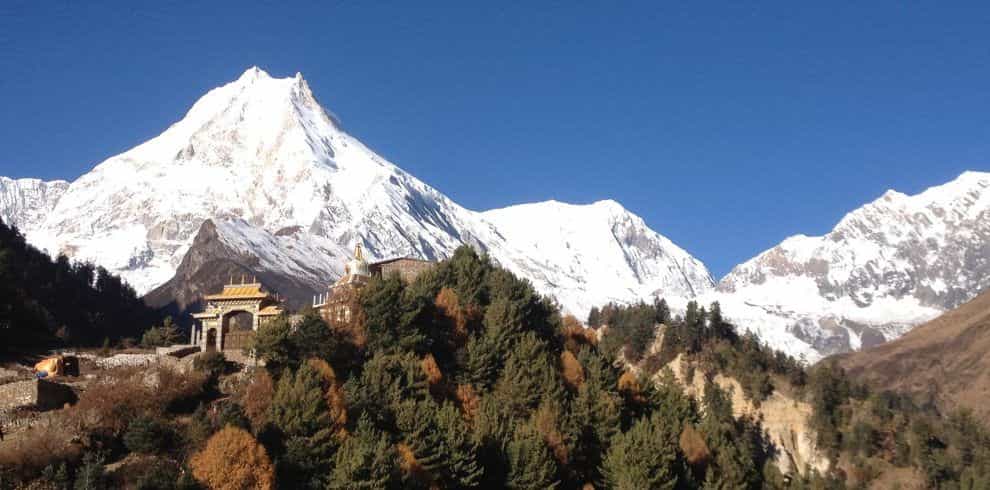
Peaks we grade easy or moderate: a good step up from trekking.
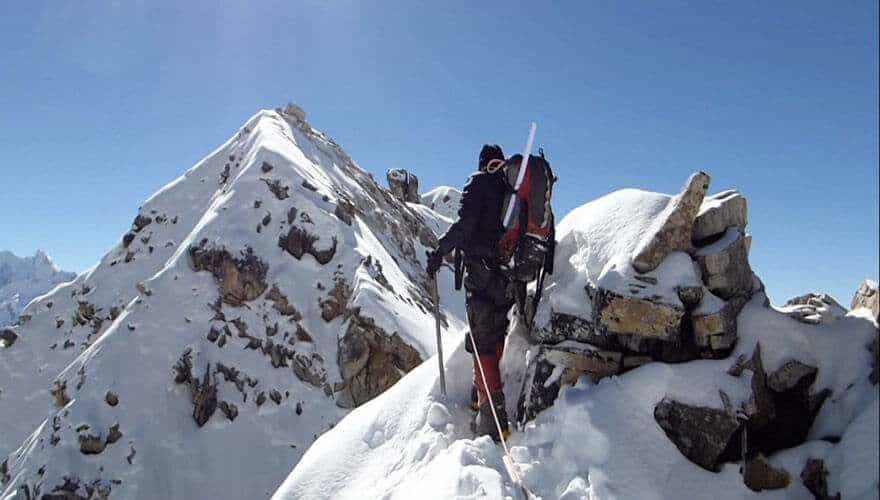
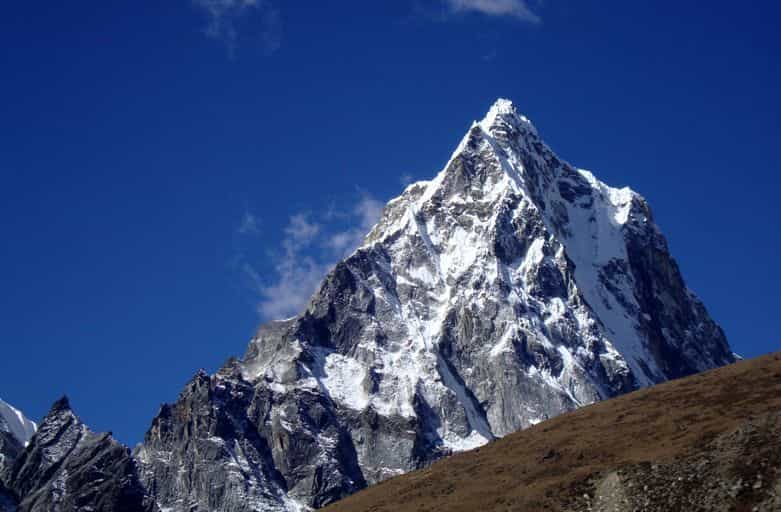
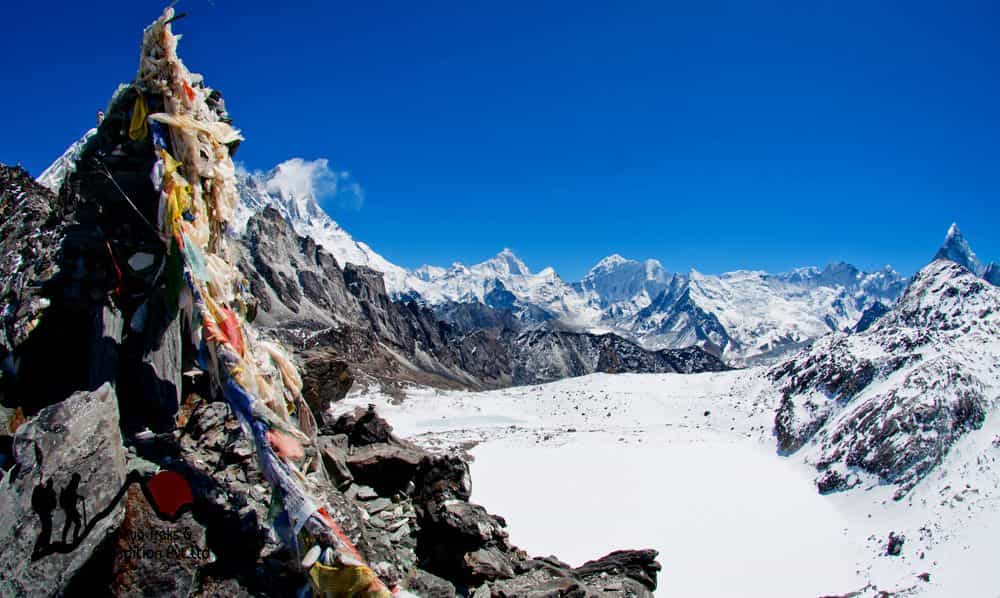
Expeditions on the giants
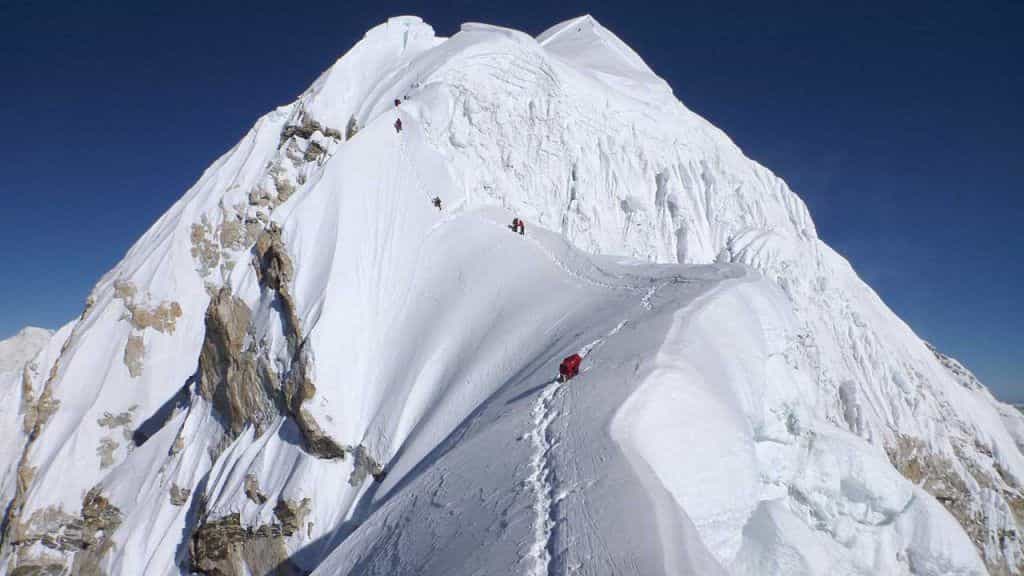
Seven- and eight-thousanders for climbers with high-altitude experience.
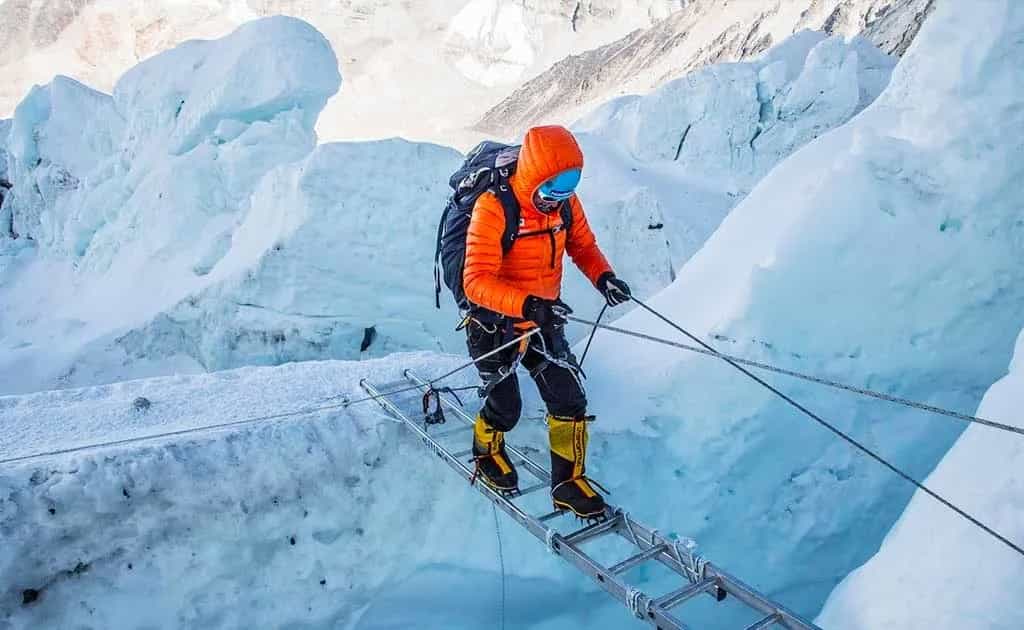
Plan your climb
When to climb
Most climbs run in spring and autumn, the same clear seasons that suit trekking.
Spring
Mar – May
High28°Low12°
Monsoon
Jun – Aug
High29°Low20°
Autumn
Sep – Nov
High26°Low13°
Winter
Dec – Feb
High20°Low3°
Approximate daytime highs and night-time lows in Kathmandu (1,400 m), in °C. Summit days are far colder.
Climbing at a glance
Taken from the climbs and expeditions we run.
Climbing peaks
5,500 – 6,800 m
From Yala Peak to Ama Dablam
Expeditions
7,000 – 8,849 m
Himlung, Manaslu, Cho Oyu and Everest
Trip length
12 – 30 days
From Kwangde Peak to the Manaslu expedition
Prices from
$1,890
Yala Peak and Yubra Himal
Safety on the mountain
How we look after you above the snow line.
Experienced climbing guides
Our mountaineering guides have summited peaks like Island Peak, Mera Peak and Yala Peak.
An insured crew
All Sunrise Adventure Trek guides, porters and staff are insured by the company.
A plan for altitude
First aid, then a descent; helicopter rescue in serious cases, covered by your travel insurance.
Gear sorted in Kathmandu
Buy or rent what you are missing in Kathmandu before you head to the mountains.


Travel stories
Read before you climb
Permits, gear, difficulty and costs, from our team in Kathmandu.
Good to know
Climbing questions
Insurance, emergencies and what to budget for.
First of all, you will be treated with first aid (some Diamox/Zolamide) then taken to lower altitude & if the condition is extreme you will be rescued by helicopter for this your travel insurance will cover the rescue expenses. So, many trekkers choose travel insurance before the trek. For convenience, some famous routes have medical and small pharmacies for mild injuries.
Yes, all Sunrise Adventure Trek guides, porters and all staffs are insured by the company so you have to be sure and go trekking with the insurance guide and porters so for this choose your best and reliable trekking company. Also, it is better if you insure yourself and hit relaxed adventure that lies ahead.
For the relaxed trip, you will need travel insurance. Travel insurance varies with the kind of adventure that you are about to undertake. Usually, group tours do not need insurance but it is better if you have one. Likewise, some serious adventures including Expeditions and Trekking might need travel insurance. You should provide us with all the documents to complete the formalities that can be helpful for us to rescue in case of emergency.
You should carefully select the policy that covers the overall itinerary details like the helicopter and medical rescue with medical expenses for the serious undertaking. And note that in Nepal you cannot get travel insurance.
Before trekking, we should consider you to prepare mentally and physically and the aftermath is easy we Sunrise Adventure trek will arrange your all complete trekking package from your arrival to departure. You should bring the following things:
Basic trekking equipment
Backpack
Multi-function Clothing
Change money
Your gadget
You should change money because it’s hard to find changes in remote areas. Also do not trek alone if possible, make sure your trekking pass is booked in advance and get some information before the trek.
Extra expense depends entirely upon you. If you like to buy mineral water, do hot water shower in the mountain, electronic charges, hard drinks and soft drinks & toiletries in the Himalayas then around USD 12 to 15 is enough on daily basis. While in Kathmandu expenses can range on what you eat to what service you are expecting.
Your summit, your dates
Plan your climb with our team
Tell us which peak, your experience and your dates. We will put together the permits, crew and itinerary.