Kwangde Peak Climbing
Trip at a glance
- Duration
- 12 days
- Difficulty
- Strenuous
- Best season
- September- December and March - May
- Accommodation
- Lodge to Lodge Trek
- Group size
- 1 – 18 people
- Tour type
- Private Tour
- Meals included
- Breakfast, Lunch, Dinner
- Max altitude
- 6,011 m
- Transportation
- Flight, Bus, Tourist & private vehicle
Overview
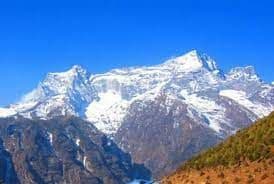
Kwangde Peak, climbing 6,011 meters (19,721 feet), is a famous trekking peak in the Everst region. Impressive multi-summited ridge at the eastern end of the Lumding Himal and above the Bhote Khosi River. Kwangde Peak Climbing is one of the difficult and technically challenging peaks which required technical skills. Different types of equipment like rope, ice crow, snow bar, etc. and previous climbing experience with good health & physical. Trekking to Koangde Peak Climbing provides you panoramic views of beautifully stunning mountains like Makalu (8485m\27838ft.), Mt. Everest (8848m\29028ft.), Cho- Oyu (8188m\26864ft.) and many more. Trek passing through the beautiful forests of pine and rhododendron also provides observe the wildlife. See the spotted deer, musk deer, red panda etc. You can also explore the local living style and culture of many Mongolian peoples.
Looking for Kwangde Peak Climbing?
Kwangde Peak (6011m and 19721 fits) also known as Kangde Ri, Kwangde or Kwangdi Ri is an impressive feat for extreme climbers. This peak challenges beginners and excites amateurs. If you want to see the close view of the Everest and the giant Himalayas, they can do the EBC helicopter tour. is mountain is located above the Bhote Koshi River and to the south-west of Namche Bazaar. Nepal Mountaineering Association classified Kwangde Peak as a group “B” climbing peak. The first attempt was made in 1975 by the Nepalese expedition which was led by Kumar Khagdar and Bikram Shah. However, the successful summit was made by Lhakpa Tenzing, Sonam, Gyalzen, Shambhu Tamang and Sonam Hisi through the south ridge.
Similarly, the trip culminates in a jaw-dropping & panoramic view of giant Himalayan peaks including Mt. Makalu in the east, Everest, Cho Oyu and Rolwaling in the northwest. Experience of past climbers, Kwangde Peak climbing is said to be strenuous, which requires preparation.
Thus, good physical fitness and previous climbing experience are required. Although both the North & South face is extremely demanding. If you are up for an adventurous experience in the Himalayan peak, you should find this peak appealing to kill the appetite.
First, our trip starts from Kathmandu with a flight to Lukla followed next. Then we trek to Phakding while gradually gaining altitude. We reach Namche Bazaar for acclimatization, and then we hike to Kwangde Base Camp. From the base camp, we step up to High Camp where you get basics about climbing and proper measures to take in case of emergency. After our successful summit, we trek down to Namche Bazaar & trek to Lukla.
Finally
In the end, at Lukla, we take a flight straight to Kathmandu. This flight is another must-mention highlight of this trip because you get to see an amazing view of hills, rivers, and different mountains. We finally arrive at Kathmandu—you can take a rest while we organize the last dinner in Kathmandu.
What’s included
A clear breakdown of what your trip price covers.
Included
- Arrival & Departure transfers on both domestic and international flights.
- Accommodation at 3 star hotels in Kathmandu
- Full board meals on tented camping & Lodge expedition
- Accommodation on tented camp
- Half day guided city tour as listed in itinerary
- Peak Climbing Permit Royalty and other government tax
- Group Climbing gear including climbing rope, ice axe, roomer, harness, figure of eight, carabineer etc.
- All camping equipment - 2-person member tent, dinning tent, kitchen tent, staff & porter tent, toilet tent with commode, dining table with backrest chair etc.
- Free use of quality trekking gear - sleeping bag, fleece inner liner, insulated mat, down jacket, duffel bag etc during the trip
- Well-experienced Climbing guide with all his allowance and expenses
- Porters to carry all personal gear and group equipment
- Insurance of all staff including porters
- Adventure Treks T-shirts / other seasonal gifts as perks
- 10 % VAT and 13% TSC Taxes.
- High altitudes chamber bags (PAC) for very high altitudes
Not included
- Nepal entry Visa fees your travel insurance of any kind emergency evacuation insurance is recommended as this is an adventurous trip and evacuation by Helicopter may be necessary
- International Airfare
- Lunch and Dinner except mentioned itinerary
- All Drinks and main meals in cities.
- Tips items for trekking crew members personal expenses like hot shower battery charge Telephone laundry beverage drinks etc.
Availability
Pick a departure date and we’ll fill in the rest of your 12-day trip automatically.
Select a date to enquire
Choose any available start date on the calendar.
Dates are subject to availability. Please contact us to confirm your preferred dates.
Itinerary
8 days, planned step by step. Tap a day to see the details.
Welcome to Kathmandu, the capital of Nepal! Our airport representatives welcome you and transfer you to designated Hotel. Late in the evening, we organize small meet-up to introduce with climbing guides and other staffs and to discuss about the upcoming adventure.
We do sightseeing around Kathmandu along with the preparation for climbing. Sightseeing includes tour around Swayambhunath (monkey temple), Bauddhanath (Buddhastupa), Pashupatinath/Biggest Hindu Temple & Patan Durbar Square. We pack all the necessary equipments after the approval of licensed climbing guide before heading for climb.
We take dramatic flight to Lukla, one of the best parts of the trip. Lukla is famous as the village of Sherpa’s. Upon arrival, we arrange loads and commence our journey further ahead. Journey passes through Dudh Koshi (“Milk River”), and finally after hours of trek we reach to Phakding. Here, you can take rest to acclimatize or visit local monastery nearby. Meals included: Breakfast, lunch and dinner with tea or coffee and finally an overnight stay in trekking lodge or tented camp.
From Phakding, we trek to Namchhe Bazaar. The trail is uphill with downhill combined of crossing rivers and bridges. This way, our trekking permits are checked and pass some famous suspension bridge as well. Namche Bazaar is the main administrative and trading centre for the Khumbu region. With the inclusive of magnificent forests of blue pine, fir, juniper and rhododendron as well as first view of Everest, it helps you to control the anticipation of the thrilling journey. Meals included: Breakfast, lunch and dinner with tea or coffee and finally an overnight stay in trekking lodge or tented camp.
We acclimatize in Namchhe Bazaar to adjust our body in new environment. Expert says that instead of sitting idle for whole day, we should be active all day. Therefore, we hike up to the valley of Bhote Koshi River and visit the nearby monasteries. You can meet locals and learn their ethnicity and lifestyle. Meals included: Breakfast, lunch and dinner with tea or coffee and finally an overnight stay in trekking lodge or tented camp.
Descending steeply downward we take slow walk across the rocky terrain. Then we cross the suspension bridges over Dudh Koshi and take quite and charming route. The trail is same as we trekked uphill but the sceneries appear different and the rhododendron & pine forest makes this trail even interesting. You can see Sherpa culture with prayer stones and flags in the monasteries once you arrive Lukla. Meals included: Breakfast, lunch and dinner with tea or coffee and finally an overnight stay in trekking lodge or tented camp.
We take scenic flight back to Kathmandu. And maybe you can do shopping or buy souvenirs for your friends and family. Or better you can relax, have some massage and dine the best meals of the city in some of the best restaurants. Meals included: Breakfast and finally an overnight stay in hotel. Attend the evening dinner and cultural program provided by the company.
After winding up a successful trip, our representative drops you off to the airport for your further journey. You are dropped to the airport around 3 hours before the departure so that there may not be any delays. Have a safe journey!
Frequently asked questions
Quick answers about this trip. Still unsure? Our team is happy to help.
Nepal, as a tourist destination is good for all seasons, however, the best seasons for trekking to Kanchenjunga region are Spring (March – May) and Autumn (mid Sept. – mid Dec. ). Trekking in autumn season is noted for clear weather and excellent views of silvery mountains against blue sky. It gets colder towards the end of December. This trek can be done in any month except January and February.
Nepal, as a tourist destination is good for all seasons, however, the best seasons for trekking to Kanchenjunga region are Spring (March – May) and Autumn (mid Sept. – mid Dec. ). Trekking in autumn season is noted for clear weather and excellent views of silvery mountains against blue sky. It gets colder towards the end of December. This trek can be done in any month except January and February.
Nepal, as a tourist destination is good for all seasons, however, the best seasons for trekking to Kanchenjunga region are Spring (March – May) and Autumn (mid Sept. – mid Dec. ). Trekking in autumn season is noted for clear weather and excellent views of silvery mountains against blue sky. It gets colder towards the end of December. This trek can be done in any month except January and February.
Nepal, as a tourist destination is good for all seasons, however, the best seasons for trekking to Kanchenjunga region are Spring (March – May) and Autumn (mid Sept. – mid Dec. ). Trekking in autumn season is noted for clear weather and excellent views of silvery mountains against blue sky. It gets colder towards the end of December. This trek can be done in any month except January and February.
Nepal, as a tourist destination is good for all seasons, however, the best seasons for trekking to Kanchenjunga region are Spring (March – May) and Autumn (mid Sept. – mid Dec. ). Trekking in autumn season is noted for clear weather and excellent views of silvery mountains against blue sky. It gets colder towards the end of December. This trek can be done in any month except January and February.
Nepal, as a tourist destination is good for all seasons, however, the best seasons for trekking to Kanchenjunga region are Spring (March – May) and Autumn (mid Sept. – mid Dec. ). Trekking in autumn season is noted for clear weather and excellent views of silvery mountains against blue sky. It gets colder towards the end of December. This trek can be done in any month except January and February.
Nepal, as a tourist destination is good for all seasons, however, the best seasons for trekking to Kanchenjunga region are Spring (March – May) and Autumn (mid Sept. – mid Dec. ). Trekking in autumn season is noted for clear weather and excellent views of silvery mountains against blue sky. It gets colder towards the end of December. This trek can be done in any month except January and February.
Nepal, as a tourist destination is good for all seasons, however, the best seasons for trekking to Kanchenjunga region are Spring (March – May) and Autumn (mid Sept. – mid Dec. ). Trekking in autumn season is noted for clear weather and excellent views of silvery mountains against blue sky. It gets colder towards the end of December. This trek can be done in any month except January and February.
Nepal, as a tourist destination is good for all seasons, however, the best seasons for trekking to Kanchenjunga region are Spring (March – May) and Autumn (mid Sept. – mid Dec. ). Trekking in autumn season is noted for clear weather and excellent views of silvery mountains against blue sky. It gets colder towards the end of December. This trek can be done in any month except January and February.
Nepal, as a tourist destination is good for all seasons, however, the best seasons for trekking to Kanchenjunga region are Spring (March – May) and Autumn (mid Sept. – mid Dec. ). Trekking in autumn season is noted for clear weather and excellent views of silvery mountains against blue sky. It gets colder towards the end of December. This trek can be done in any month except January and February.
Nepal, as a tourist destination is good for all seasons, however, the best seasons for trekking to Kanchenjunga region are Spring (March – May) and Autumn (mid Sept. – mid Dec. ). Trekking in autumn season is noted for clear weather and excellent views of silvery mountains against blue sky. It gets colder towards the end of December. This trek can be done in any month except January and February.
Leave a review
Travelled with us? Share your experience. Your email address will not be published.
Planning a trip to Nepal?
Tell us what you have in mind and we’ll tailor a trip around you.