Langtang, Gosaikunda, and Helambu Trek : 14 days Trek
-640x480.jpg&w=3840&q=75)
Overview
Langtang, Gosaikunda, and Helambu Trek : 14 days Trek
Overview
Langtang, Gosaikunda, and Helambu Trek is all about experiencing the culture , tradition and historical side of the Langtang, Gosaikunda, and Helambu along with panoramic views. The Langtang Valley is situated in Rasauwa district of Bagmati Province, about 80 Kilometres north of the Kathmandu Valley. Langtang valley and Gosaikunda lies inside the Langtang National Park which borders the Tibet Autonomous Region in Southwest China.
What brought you here? of course the panoramic views of Langtang, Gosaikunda, and Helambu Trek brought you here. From these blogs, you will get every information about Langtang, Gosaikunda, and Helambu Trek that you need to know. If you have any confusion, don’t hesitate and please feel free to ask anything at Sunrise Adventure Trek. This place is the best option to relax in a peaceful environment far away from the crowded city area after your busy life.
Langtang, Gosaikunda, and Helambu Trek connect you with nature. You can witness the view of the sunset ray reflected in the Himalayas like the sun's gentle kiss upon the Himalayas that makes the Himalayas blush and change its color into the shade of golden. Trekkers will learn and experience the lifestyle of the Tamang ethnic group, Buddhist people and Sherpa ethnic group from the roots.
Langtang, Gosaikunda, and Helambu Trek is located in the Langtang region that offers adventure and cultural immersion. You can enjoy the peaceful nature of the forest, feel the sound of the river and hear the birds singing during trekking. The surroundings of the Langtang, Gosaikunda, and Helambu will refresh your mind and relax your body. The beauty of the Langtang, Gosaikunda, and Helambu will please your eye.
Langtang valley is known as Lamtang valley. This valley is the third most popular trek in Nepal after the Annapurna Circuit and Everest Base Camp trek. Langtang village is the dream village of many people. In 2015, the langtang valley was destroyed by an earthquake however now the trail is more comfortable.
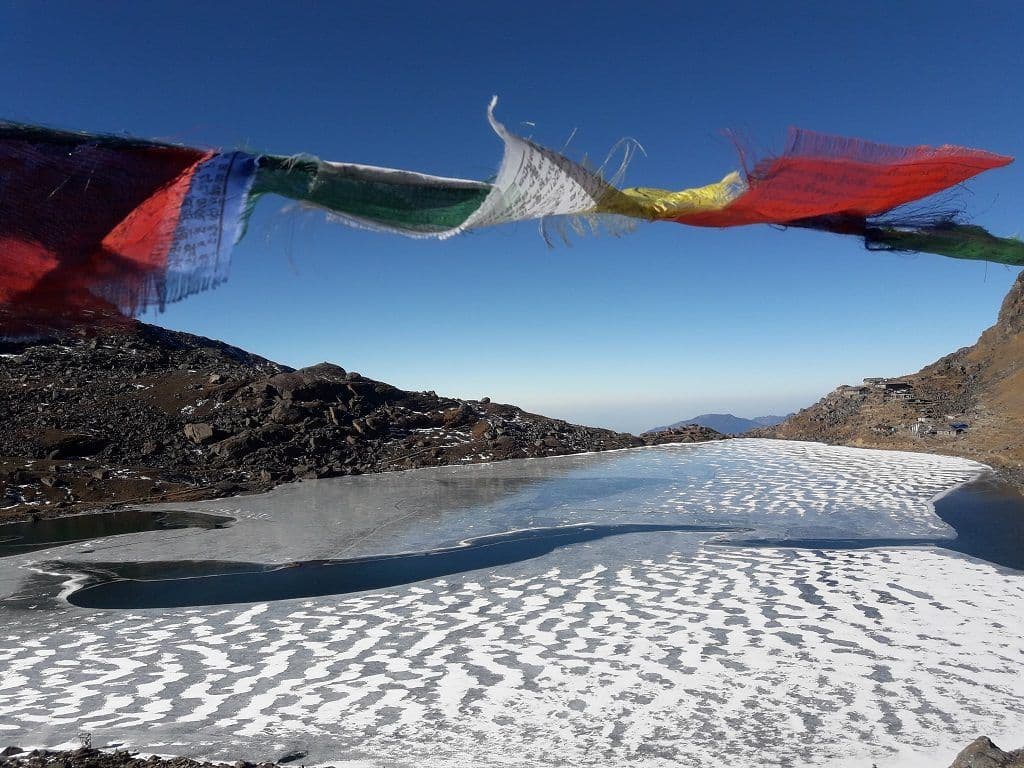
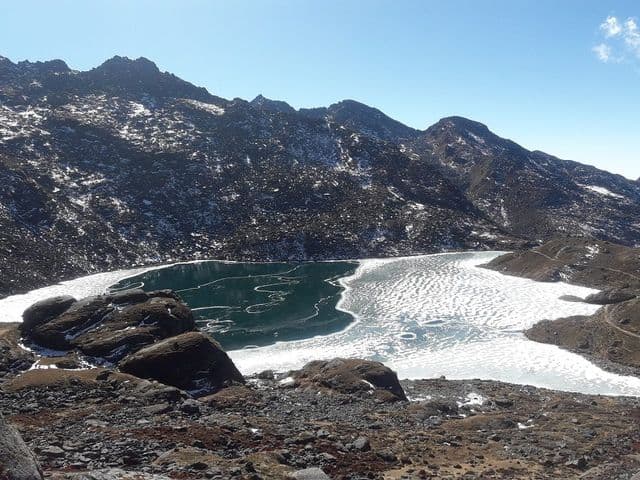
Gosaikund is a sacred lake as a gem of Langtang. It is located inside the Lantang National Park at an elevation of 4,380 meters ( 14,379 ft). This lake melts to form Trishuli river. Gosaikund remains frozen for six months in the winter ( October to June). This lake is a pilgrimage site for hindu as well as Buddhists. Gosaikunda offers paronomic view of the Himalayas with a clear sky.
Helambu is a region of highland villages in Nepal. Helambu is home to Hyolmo people. This place is famous for sweet apples. Helambu is a Buddhist pilgrimage site. You can explore Buddhist monasteries here. Many people do meditation here. You can enjoy the sunset view from the top of Helambu.
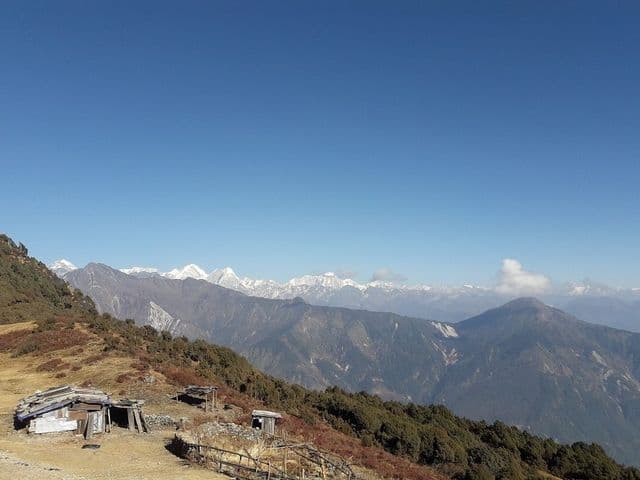
These trek offers spectacular panoramic views of Himalayas such as Langtang Lirung ( 7,245 meters ), Ganesh Himal Range ( 7,422 meters ), Shishapangman ( 8,013 meters ), Dorje Lakpa ( 6, 966 meters ), Langtang Ri ( 7,205 meters ), Yala Peak ( 5,520meters ), Ghengu Liru ( 6,571 meters ), Gangchempo ( 6,387 meters), Jugal Himal ( 6,080 meters ), Langshisa Ri ( 6,427 meters ). From Nagthali viewpoint, you can enjoy the 360 degree views of the Langtang and Ganesh range and Tserko Ri offers stunning views of the surrounding peaks.
Langtang National Park protects wild animals like red panda, snow leopard, Himalayan black bear, musk deer, Himalayan tahr, danphe and many others. Langtang valley is home for over 250 bird species. Trekkers complete this trek walking through rhododendrons, alpine herds and bamboo forests .
Talking about the facilities you don’t have to worry. Though luxury lifestyle facilities may not be provided, you will get all basic facilities. In every village, you can find hotels, lodges and teahouses where you can spend a night. Most of the hotels, lodges and teahouses are run by families. They are well trained. They serve their customers with love and respect. They are friendly and helpful. Most of the local people running hotels know how to speak Nepali so there will be no language barrier. If any language barrier happens your guide will help you.
Overview of the route of Langtang, Gosaikunda, and Helambu Trek
On the first day you will explore Kathmandu and take a rest for the next long trek. Langtang, Gosaikunda, and Helambu Trek starts from Kathmandu ( 1,324 to 1400 meters / 4,344 to 4,600 ft )to Syabrubesi ( 1,550 meters / 4,931 ft ) by local buses, or private jeeps/shared jeeps that takes around six to eight hours. Following the route of Langtang Khola and crossing Bamboo forest and Rimche we will reach Lama Hotel ( 2,470 meters / 8,104 ft ) from Syabrubesi within six to seven hours.
Lama hotel is a popular hotel for night stay. After spending the night here, next morning we will start our journey from Lama Hotel to Langtang Village ( 3,430 meters / 11, 253 ft ) that takes around six to seven hours. Then Langtang Village to Kyanjin Gompa ( 3,870 meters / 12,697 ft ). In Kyanjin Gompa we can try local yak cheese. It takes four to five hours to reach Kyanjin Gompa from Langtang village.
We can complete our trek from Kyanjin Gompa to Ghodatabela ( 3,000 to 3,030 meters / 9,843 to 9,941 ft ) within four to five hours. Ghodatabela to Bamboo Village trek ( 1,970 meters to 2,200 meters / 6,463 to 7,217 ft ), takes four to five hours. Bamboo Village trek to Thuloshyabru trek ( 2,210 to 2,300 meters / 7,250 to 7,546 ft ), then to Sing Gompa ( 2,330 meters / 10,925 ft ), Sing Gompa to Gosaikunda ( 4,380 meters / 14,370 ft ) , journey from Gosaikunda to Dhunche trek ( 2,030 meters / 6,660 ft ) takes six to eight hours,then Dhunche trek to Kathmandu by local bus. From Syabrubesi to Dhunche we have to trek.
Is Langtang, Gosaikunda, and Helambu Trekking worth it ?
Langtang, Gosaikunda, and Helambu Trek is a long trek, however it is worth it as this trek will connect you with the nature and culture of the local ethnic community of Langtang, Gosaikunda, and Helambu. Langtang, Gosaikunda, and Helambu Trek is popular for its biodiversity. In the spring season , different colors of rhododendron bloom that make the forest colorful. Walking through a green forest with panoramic views feels like walking in heaven.
These trek offers spectacular panoramic views of Himalayas such as Langtang Lirung ( 7,245 meters ), Ganesh Himal Range ( 7,422 meters ), Shishapangman ( 8,013 meters ), Dorje Lakpa ( 6, 966 meters ), Langtang Ri ( 7,205 meters ), Yala Peak ( 5,520meters ), Ghengu Liru ( 6,571 meters ), Gangchempo ( 6,387 meters), Jugal Himal ( 6,080 meters ), Langshisa Ri ( 6,427 meters ) and many other mountains.
Langtang National Park has protected many wildlife like himalayan black bear, red panda, musk deer, snow leopard, himalayan tahr and many other wild animals. Langtang National Park is home for both animals and birds. Birds include Bar-headed Goose, Rubby Shelduck, Eurasian Wigeon, Rock pigeon, Himalayan Cuckoo, Gray Nightjar, Ibisbill, Red-wattled Lapwing,Black-winged kite, Bearded Vulture, Egyptian Vulture, Himalayan Griffon, Brown Headed Gull and many other birds. You can also find many medical and rare plants here.
Things that trekker can experience during trek in Langtang, Gosaikunda, and Helambu Trek
- Natural Hot Springs
Trekkers can soak their feet into the hot spring during or after trekking. There are multiple benefits of dipping feet into hot springs like pain relief and muscle relaxation, stress reduction, improved blood circulation and respiratory health, boost the immune system, good for skin and so on.
Hot Springs located at langtang village
Tatopani Village Nepal
Trekkers can enjoy the hot spring in Tatopani Village after a long day trekking. Tatopani Village Nepal is located in Kali Gandaki River Valley where people can reach approximately within 4-5 hours from Langtang village by trek. Tatopani is famous for its natural hot spring.
- Cultural Experience
Langtang, Gosaikunda, and Helambu Trek is more than a trek. Here trekkers can experience the culture of tamang. During Langtang, Gosaikunda, and Helambu Trek, trekkers can see, live and feel the tamang and sherpa culture. Influenced by Tibetan Buddhist Culture.
Village Life
The village lifestyle of local people living in Langtang, Gosaikunda, and Helambu is simple. Their daily mornings start with the sunrise and breath taking view, seen through the window. Local people do animal husbandry as a part of their life. As local people do animal husbandry as a part of their life, they produce yak cheese from the local milk of their farm. They do farming also.
They grow crops like potatoes, wheat, maize, barley,buckwheat and so on. Handicrafts such as woolen carpets, blankets, and ethnic clothes are produced. Trekkers can buy it as a meaningful souvenir, directly supporting the local people.
Now most of the people are engaged in the tourism sector, as many people are attracted by the breathtaking beauty of langtang village.
Festival
We all know Nepal is multi-ethnic, multi cultural, multi-lingual and multi- religious sovereign state. The Tamang people are ethnic group living in Nepal. They celebrate Sonam Losar as Tamang's New year. On this day, people of Langtang village gather together and do a dance called “ Tamang Selo and Damphu”. Similarly there is another festival called “Buddha Jayanti”. This day is celebrated as the birthday of Lord Boudha. On this occasion, people do prayers and perform rituals in monasteries.
Chyamgi puja is another ritual celebrated in the Langtang village at monasteries. During this ritual, monks of monasteries perform traditional dances such as Chyam dance and Masked dance that symbolize the victory of good over evil to bring peace, protection and prosperity to the community. The rhythmic movements, vibrant masks and spiritual chants create a powerful and emotional atmosphere, offering visitors a rare opportunity to witness the deep spiritual roots of Tamang Buddhist culture.
Traditional dress, ornament and language
The language spoken by local people of Langtang village is called tamang language and tibetan language. They have their own cultural dress and ornament. Traditional dresses worn by women are Gung i.e blouse, Shyade i.e skirts, Pangden i.e striped aprons and the ornament worn by women are large earrings, pyakchi i.e head ornament, gyesups i.e coin necklace. Similarly traditional dresses worn by men are thick woolen Bakhhu i.e outer wool coat, Labeda Suruwal i.e shirt and trouser and a bhoto i.e vest. The dress worn by local people of Langtang Village is thick and made out of the wool suitable to the climate of the Himalayas.
Local Cuisine
Local people of Langtang, Gosaikunda, and Helambu are mostly engaged in farming and animal husbandry so all the food provided by them is local and natural. Local tamang cuisine of Langtang is heavily influenced by Tibetan Cultures, that mainly focus on high-energy foods suitable for cold climates. Local traditional foods of Tamang Community are Dhido, Gundruk or Sinki, Tsampa, Thukpa, Yak cheese or butter, Tibetan Bread and many other varieties of foods.
You can try the local alcohol of the tamang community called “Tungba” to keep your body warm in cold weather. It also can be beneficial if you drink it at a limit. There is a popular maxim “Dhal Bhat Power 24hours”. You can also eat dhal-bhat for dinner or lunch. Dhal-bhat will keep your stomach full and body energetic.
- Beautiful Nature
Langtang, Gosaikunda, and Helambu Trek is famous for its natural beauty. You can start your morning with the ray of sun entering through the window. You can also enjoy the view of the mountain just by sitting in the bed along with the cup of tea. You can feel and hear the waves of rivers. Here in Langtang, you can smell the earthy scent of nature.
Himalayas
Langtang, Gosaikunda, and Helambu Trek is famous for himalayas. Langtang valley is also known as himalayas valley. Some of the names of mountains are Langtang Lirung, Langtang Ri, Dorje Lakpa, Loenpa Gang, Tsangbu Ri, Yansa Tsenji, Kyunga Ri, Ghenge Liru, Dogpache, LangShisa Ri, Ganchenpo, Morimoto, Naya Kanga, Tsogaka, Yala Peak and so on.
Rivers and Lakes
Langtang valley is also known as “The Valley of Glaciers” as there are many rivers and lakes you can see. Some of the names of rivers and lakes are Gosaikunda Lake, Bhairav Kunda, Pach Pokhari, Parvati Kunda, Surya Kunda, and so on.
- Yala Cheese Factory
Yala Cheese Factory is located in Kyanjin Gompa. You can witness the full making process of cheese. During your visit to the factory, you can try the pure local creamy and fresh cheese manufactured by the local people of Langtang region.
- Ice Climbling
Langtang region is home to the Himalayas where langtang valley is a beginner’s paradise for ice climbers in Nepal. Many mountain climbers came here to do practice. Langtang, Gosaikunda, and Helambu Trek is full of mountains and snow fall.
- Yak Watching
Trekkers can watch the yak roaming around during the lantang trek in Kyanjin. During the earthquake in 2015, many people died as a consequence the yaks were ownerless therefore you can see the yak roaming around.
Place to visit during Langtang, Gosaikunda, and Helambu Trek
During trekking of the Langtang, Gosaikunda, and Helambu Trek, you can visit the following places:
- Syabrubesi
Syabrubesi is a small village, situated on the banks of the Bhote Koshi River. It is located at an altitude of 14460m. Trekkers can visit the Chilime Hydropower at Syabrubesi. Syabrubesi is popular for trekking hubs ofLangtang, Gosaikunda, and Helambu Trek , natural hot spring, tamang/sherpa culture and hospitality and breathtaking natural beauty. Bhote Koshi and Langtang Khola are popular spots to take a rest and take photos.
- Lakshish Kharka
Lakshish Kharka is a gem of Langtang, Gosaikunda, and Helambu Trek where we can reach within five to six hours from Kyanjin Gompa after the hike of 10-12km. Trekkers have to follow the Langtang river along passing through the yak grazing lands, steep slopes and glacial moraines to reach Lakshish Kharka. On the way, trekkers can witness the blue sleep and Himalayan griffon.From Lakshish kharka we can see breathtaking view of mountain including Laangshaha Ri (6,427 meters/21,086 ft), Gangchempo ( 6,387 meters/20,955 ft), Dorje Lakpa ( 6,966 meters / 22,854 ft), and Tserko Ri ( 5,000 meters/16,404 ft).
- Kyanjin ri
Kyanjin ri ( 4,773 meters ) offers 360 degree panoramic views of the Himalayas. The distance between Kyanjin Gompa and Kyanjin ri is approximately 2.5 to 3 kilometers which takes around 2 to 3 hours and the path from Kyanjin Gompa to Kyanjin ri is grassy, rocky ground, and slippery.
From the top of Kyanjin ri you can enjoy the clear views of mountains like Langtang Lirung, Langtang Ri, Dorje Lakpa, Yala Peak and Shishapangma along the stunning view of sunset and sunrise.
- Tserko Ri
Tserko Ri is a holy site where it is believed that mountain god protects the villages. Tserko Ri ( 4,984 meters) can be reached within 6 to 8 hours from Kyanjin Gompa. After climbing the Tserko Ri, we can see the 360 degree stunning views of Langtang Himalayas including Langtang Lirung ( 7,227 meters), Langtang II( 6,596 meters), Dorje Lakpa( 6,966 meters), Yala Peak( 5,520 meters), Ganchenpo(6,387 meters), Shishapangma( 8,027 meters), and Langshisha Ri(6,427 meters).
- Langtang Lirung Icefall
Langtang Lirung offers a stunning ice waterfall. From the Langtang Lirung icefall, amazing views of Langtang Lirung(7,227 meters), Changbu ( 6,251 meters), Gangchenpo ( 6,387 meters), and Yala peak ( 5,520 meters) can be seen.
- Gatlang
Gatlang is a small village located in the Rasuwa district of Nepal, Situated on a hillside at an altitude of 2238m above sea level. You can enjoy the view of Ganesh Himal mountain range from here. The major attractions of Gatlang are Pabitra Kunda, Old Gatlang Village, Yak Cheese Factory, Tamang Monastery, Homestay experience and so on.
- Tatopani
Tatopani is a hotspring as a major attraction of Langtang Tamang Heritage Trek. Trekkers can dip their feet into the hot spring that will relax your muscles, improve blood circulation and reduce stress, all over beneficial for health.
- Langtang National Park
Langtang National Park is a national park situated in north-central Nepal, covering an area of 1,710km2 in the Nuwakot, Rasuwa and Sindhulpalchok Districts of the central Himalayan region. Langtang National Park is known as the first Himalayan national park, established in 1976 AD. This national park is famous for trekking, mountaineering, rock climbing, and wildlife spotting.
In Langtang National Park, you can see a variety of flowers and plants. In this park during the spring season, you can see rhododendron flowers bloom in red, pink and white. There are more than 100 of plant species including rare orchids, blue poppies, cobra lily, clematis, hemlock, bamboo and other medicinal plants
Langtang National Park is also famous for wildlife. Trekkers often during trekking can see rare animal of Himalayas like himalayan tahr, red panda, musk deer, snow leopard, himalayan langur and you can also see the birds like himalayan monal i.e Dhaphe which is national bird of Nepal, tragopans, himalayan eagles and other birds too.
- Gosaikunda Lakes
Gosaikunda lake is the hidden gem of Langtang National park located at the altitude of 4,380 m (14,370 ft) in the Rasuwa District with a surface area of 13.8 ha (34 acres). It is famous for its sacred alpine lakes, diverse landscapes, culture and festivals like janai purnima.
It is believed that when Lord Shiva drank poison to protect the world, his throat burned badly and to cool it down, he struck the ground with his trishul i.e trident and water flowed out. This is how gosaikunda lake was formed.
- Kyanjin Gompa
Kyanjin Gompa is a 300-Year-Old Settlement at 3,870 Meters.Kyanjin Gompa is the oldest buddhist monastery located inside the Langtang National Park. This monastery is home for the people who lost their family in the earthquake. You can donate here to help the people living in this monastery. You can try local yak cheese in Kyanjin Gompa.
Highlights
- Experience of lifestyle and culture of ethnic groups of Langtang, Gosaikunda, and Helambu.
- Panoramic views of Himalayas like Langtang Lirung , Ganesh Himal Range, Shishapangman, Dorje Lakpa Langtang Ri , Yala Peak, Ghengu Liru, Gangchempo , Jugal Himal, Langshisa Ri.
- 360 degree views of the Langtang and Ganesh range from Nagthali viewpoint.
- Tserko Ri offers stunning views of the surrounding peaks.
- Langtang National Park : a home for himalayan wildlife.
- Birdwatching Paradise.
- Seasonal Flora Blooms : rhododendrons, bamboo, oak, and other flora.
- Fauna like red pandas, himalayan tahr, snow leopard, langur monkeys and many others.
- Popular monasteries like Kyanjin Gompa Monastery, Old Buddhist Monastery
- Perfect destination for photography: misty valleys, mountain landscapes, wildlife and himalayan birds.
- Authentic Himalayan Foods like yak meat, butter tea and Nepali foods like Dhal-Bhat, Gundruk, Thukpa and so on.
- Fresh yak cheese made in Kyanjin Cheese Factory.
- Hot Spring in Tadapani Village.
- Warm hospitality/ warm welcome and storytelling from villagers.
What‘s Included
What‘s Excluded
Availability
Select your preferred departure date. Trip duration: 14 days
Number of Travellers
Select a date to book
Dates are subject to availability. Please contact us to confirm your preferred dates.
Itinerary
Equipment
Hiking Gear
- Backpack ( 30 to 40 L ) to carry trekking equipment
- Reuseable bottle / thermos bottle to keep your water warm
- Powerbank to charge your device
- Knife to cut rope, repairing gear
- Headlamp which is useful for dark walk
- Rain coat and umbrella which is useful during raining
- Duffel Bag : for porter or luggage
- Sleeping Bag ( 0℃ rate ) : to keep you warm in tea houses
- Quick - Drying Towel : light and quick - drying
- Umbrella : to protect from both sun and rain
Headwear
- Sun hat : to protect from UV rays and clothes
- Buff / Neck Gaiter / Scarf : to protect from wind and cold
- Sunglass : to prevent from UV rays
Body wear ( Torso )
- Thermal wear : to keep your body warm from inside
- Waterproof jacket: to protect your body from rain and wind
- T-shirt : for your comfortable
- Fleece jacket : to keep body warm
- Down jacket : to keep body warm
Lower Body clothes
- Hiking Pants: quick-drying and durable
- Normal comfortable pant: for you comfort
- Hiking shorts: for comfortable hiking
- Waterproof and windproof pants: to prevent from wind and rain
Hand Wears
- Fabric liner gloves: additional warmth and comfort
- Hard-shell outer gloves: protection against harsh weather conditions
Foot wears
- Warm sock : to keep your feet warm
- Trekking boot high ankle with good grip : makes your trekking walk easy
- Casual comfortable shoes : to wear at teahouses
- Gaiters: to prevent from snake bite
- Insole : provide comfort and support to the feet
Personal utilities
- Undergarments
- Moisture-wicking underwear
- Toothpaste and toothbrush
- Towel
- Sunscreen cream
- Menstrual pads
- Wipe tissue
- Nail cutter
- Hand sanitizer
- Toilet paper
- First aid
- Feminine hygiene products
Documents
- Valid passport
- Necessary permits
- Nepal visa
- Extra passport-sized photo
- Travel insurance details
- Emergency contact information
- Local currency money
Optional items
- Camera
- Books
- playcards
Trip Information
Things you have to know before doing Langtang, Gosaikunda, and Helambu Trek
- Langtang, Gosaikunda, and Helambu Trek is a long trek so trekkers have to be physically fit.
- Sole trekking is probits and hiring a guide is necessary.
- Stone staircase and slippery road.
- Luxury hotels are not available however provide all basic facilities.
- Except locals, everyone needs to have the TIMS permit and the Langtang National Park entry permit.
- Frequent climatic change.
- Chance to get altitude sickness at high altitude
- Carry your powerbank to charge your gadgets.
- Carry reusable bottles and materials to protect the environment.
- You can refill your water bottle from the local tap at free of cost.
- Bringing the trekking tools such as trekking poles, comfortable boots, shorts, etc..
- Bring hygiene equipment such as hand sanitizer, soap, toilet paper and wet tissues.
- You cannot wear too much revealing clothes here.
- Feel free to ask anything that confuses you to your guide and try to be socialized with local people.
- Do not rely on ATMs, as they are rarely accepted in village areas, so carry enough Nepalese cash to prevent money transaction problems.
Langtang, Gosaikunda, and Helambu Trek : Permit
Trekkers are required to acquire the following permit for Langtang, Gosaikunda, and Helambu Trek for which you need to hire a licensed guide :
Permit 1:Trekers’ Information Management System Card
These TIMS cards keep the details of trekking and personal identification of trekkers. This card is necessary for the safety of trekkers as the authorities track the trekker’s movement so they can rescue them in need of help. It can be acquired at the Nepal Tourism Board in Kathmandu or through the Trekking Agencies’ Association of Nepal (TAAN).
Permit 2: Langtang National Park Entry Permit
Langtang National Park Entry Permit is mandatory to get entry inside the park. This permit is required to protect the wild animals and birds. Without this permit you cannot go inside that park.
What will happen if you do a trek without permits?
Permits are necessary for your trek. They are legal documents which are necessary to enter into the conservation area. If anyone do trek without permit then they have to face following consequence:
- You have to pay fine
- You won’t be able your trekking
- You might face legal consequence for the violation of Nepalese Tourism Policies
- No rescue and support coverage
Transportation Facilities: Road Condition
Transportation cost is budget friendly. Trekkers can choose either local buses or jeeps. Local buses are cheaper compared to Jeeps however it is more crowded as it is served to local people also and it is more uncomfortable compared to Jeeps.
Jeeps are more comfortable and more expensive than local buses. You can either book shared Jeep or Private Jeep. In a shared Jeep you have to share your Jeep with local visitors/trekkers and in Private Jeeps you don't have to share. It will be better to book a private jeep if you are trekking with your family or group of friends.
During the high season, it will be difficult to get transportation so, we recommend you to book two way transportation in advance. In this trek, you can travel from Kathmandu to Syabrubesi and Dhunche to Kathmandu by buses/jeeps. During the dry season, the condition of the road is good but during the monsoon the condition of the road may not be as good as we expect. The road gets muddy and slippery during monsoon.
Accommodation: Tea house or Guest House
Accommodation here is budget friendly that range from normal hotel room to luxury room. You can get a luxury hotel room only in Kathmandu then from Syabrubesi to Dhunche you have to stay at small hotels, lodges or teahouses. However, teahouses and other small guest houses are clean and all basic facilities are provided with a homely environment. The windows of all hotel rooms offer a stunning view of the surroundings.
Types of Accommodation Option in Langtang, Gosaikunda, and Helambu Trek
- Hotel
Hotels of Langtang, Gosaikunda, and Helambu Trek offer cozy hotel rooms with all basic facilities like a warm bed, a hot shower, a tasty meal, and wifi facilities. You have to pay extra for a shower. The staff of hotels are well mannered and they are well trained. They will serve you with respect and love. They will welcome you with warm hospitality in Nepalese style i.e with Mala or flowers. Most hotels provide private rooms with twin sharing beds with attached bathrooms and balconies. They will also provide wifi facilities and charging facilities. Every window and balcony of the hotel offer beautiful views of sunset and sunrise.
- Lodges and Guest House
Basically lodges are run by the family so, it is like a family business while guest houses are like hotels on a smaller scale. Lodges and guest houses provide all facilities like warm blankets, hot meals and toilet facilities. simple private shared rooms with charging and wifi facilities. Lodges and guest houses are less expensive than hotels. Lama Hotel is a popular hotel to spend a night.
- Teahouses
Most of the villages like Syabrubesi, Lama Hotel ,Langtang Village, Kyanjin Gompa , Bamboo Village trek, Thuloshyabru trek, Sing Gompa Gosaikunda, and Dhunche have teahouses. Teahouses are run by the family. When you spend a day here we can actually get a chance to connect with local people there. The family members are respected. You can find local authentic cruise food. The room and bathroom are mostly shared. Teahouses offer hot showers but you have to pay an extra fee for it.
- Camping
Camping can be new activities you can do in Langtang, Gosaikunda, and Helambu however it can be challenging due to unpredictable weather. Camping makes trekking more of an adventure. We suggest camping only during Autumn ( September to November) and Spring ( March to May) because other seasons are not suitable for camping as during that season weather is unpredictable.
Foods: Local cruise
Beside tourism people of this place are engaged in agriculture and animal husbandry. They grow crops by themselves and produce cheese. Foods available in Langtang, Gosaikunda, and Helambu Trek are organic and fresh. Foods are expensive at higher altitude compared to lower altitude. People have to carry other ingredients and gases by themselves due to lack of transportation facilities.
You can try authentic tamang dishes and Tibetan foods. For breakfast you can have butter tea, milk tea, lemon tea, black tea, Tibetan bread or normal hot water and for lunch and dinner you can have Dhal-Bhat. Other food options are momo, thukpa, yak cheese, pasta, fried rice, pancake, sherpa strew, tsampa, sel roti and other foods. You can get international and national foods. Traditional food of tamang community are dhido (porridge), kinema ( fermented soybean), kwati ( nine types of sprouted beans), alum/aalung ( boiled wheat flour dough ball), faraula ( deep-fried dumpling), khapse ( deep-fried pastry) and many other.
Water on Langtang, Gosaikunda, and Helambu Trek
You have to keep your body hydrated and Langtang, Gosaikunda, and Helambu Trek is a long trek so, it is necessary to be hydrated. I suggest you carry reusable bottles that help to keep the environment clean and you can refill that bottle at the local tap of villages and from clean rivers. Refilling water from the local tap is free of cost.
Drink on Langtang, Gosaikunda, and Helambu Trek
Most of the trekkers start their days with warm honey water or tea, with stunning sunrise views. Tea options include butter tea, black tea, and lemon tea. Some visitors have tea in the evening also with stunning sunset views. The local people produce alcohol called “Tumba” that is warm millet beer, “Tin Pani” i.e local liquor and “Jaand” i.e rice beer. You can drink it after a trek to keep your body warm. Other alcohol options are rum, vodka and marpha apple brandy.
Langtang, Gosaikunda, and Helambu Trek : Shower Facilities
Hotels, lodges and teahouses of Syabrubesi, Lama Hotel, Langtang Village, Kyanjin Gompa , Ghodatabela, Bamboo Village trek, Thuloshyabru trek,Sing Gompa, Gosaikunda , and Dhunche trek provide shower facilities where you have to pay extra for shower at high altitude.
Early in 2000, solar panels were engaged with the help of the United Nations Development Programme so that hikers could shower with warm water. Showering with warm water after a long trek helps to relax your body and relieve the pain.
Regarding the best season to visit the Langtang, Gosaikunda, and Helambu
Langtang, Gosaikunda, and Helambu Trek in Autumn Season
Autumn season, the month from September to mid-December, is best if you want to see clear mountain views and stunning blue skies. During this season, the weather is warm.
Langtang, Gosaikunda, and Helambu Trek in Spring Season
During the spring season i.e March to May, you can witness the various flora blooms such as rhododendron, pine trees, and other different plants and flowers, and greenery. You can enjoy the clear view of the mountain without any worries of rain or snow.
Langtang, Gosaikunda, and Helambu Trek in Summer Season
The summer season i.e from June to August month, weather is unpredictable and rain can happen at any time. Rain makes roads slippery. During the summer season, you can enjoy the greenery. There will be leeches on the trail during summer trek due to the heavy downpours and the humid surrounding. Trekkers can use salt to remove leeches from their body.
Langtang, Gosaikunda, and Helambu Trek in Winter Season
The winter season i.e month of December to February is best if you want to enjoy the snowfall. Winter offers a snowy himalayan view and breathtaking white landscapes. Although trekking in the winter season is quite difficult compared to other reasons, it offers amazing mountain view cover into snow. Frozen rivers and icy waterfalls make the surroundings more stunning. Langtang valley is less crowded in the winter season.
Tips to Pack for Langtang, Gosaikunda, and Helambu Trek
Langtang, Gosaikunda, and Helambu Trek is a long trek that takes around 14 days. . For a long trek you have to do proper packing. Proper packing is necessary to make your trekking more comfortable and easy. In the hilly area, the weather is unpredictable. We suggest you keep such clothes that keep your body dry and warm.
What to carry for autumn season?
In the autumn season ( September-November), the climate is sunny and bright. Due to sunny and stable weather, it offers a clear panoramic view. However, during morning and evening the climate could be cold especially at high altitude. Therefore you can carry warm clothes as well as light clothes like wind-cheater jackets, moisture-wicking skirts, long-sleeves shirts, leggings. Gloves, a woolen hat, and a neck gaiter to protect yourself from cold winds.
What to pack for spring season?
During the spring season, the weather is warmer. In the spring season, the forest turns pink due to the rhododendron bloom and this is the best season to do trekking. The days during this season are clear and sunny that provide a clear view of nature and mountains. We can enjoy the sunset and sunrise view clearly. You can pack flexible hiking pants, leggings, an insulating mid-layer like a fleece, waterproof jacket and comfortable hiking shoes.
What to pack for the winter season?
During the winter season, the weather is mostly icy and snowy. Due to cold weather you have to carry warm clothes like a puffer jacket, thermal clothes, thick socks, gloves, comfortable warm pants and boots. In the winter season, you may not offer a clear view of the surroundings.
What to pack for the rainy season ?
Due to heavy rainfall in the rainy season ( June to September), trails become slippery and muddy. Stone staircase roads slippery and muddy can make trekking more difficult. You can carry the clothes that keep your body warm and dry including water-proof jacket, moisture-wicking base layers, water-resistant pants, waterproof footwear, umbrella and rain coat.
Trekking preparation
Langtang, Gosaikunda, and Helambu Trek is a long trek and most of the trekkers might not be used to the rock and slippery road. You have to do trekking each day for 5 to 6 hours minimum. So, trekkers have to be mentally and physically fit.
- Physically Fitness
- Strength Training
- Hiking Practice
- Mentally Prepare
- Nutrition and Hydration
- Aware of Altitude Sickness
FAQs about
the trip
Leave a Reply
Your email address will not be published.