Round Manaslu Trek
Overview
Manaslu trek info
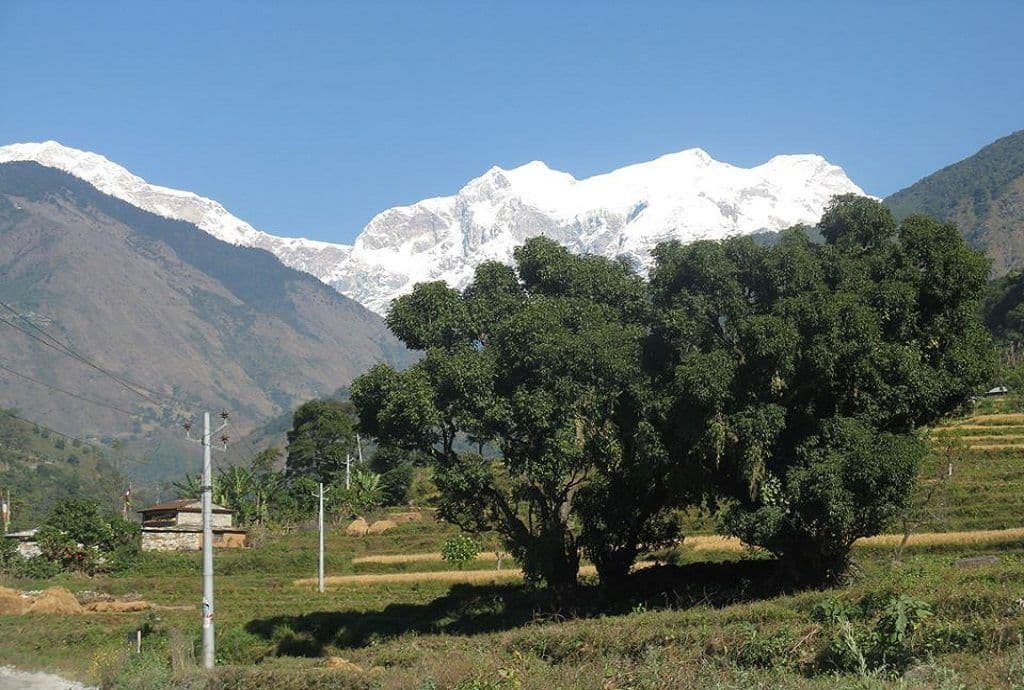
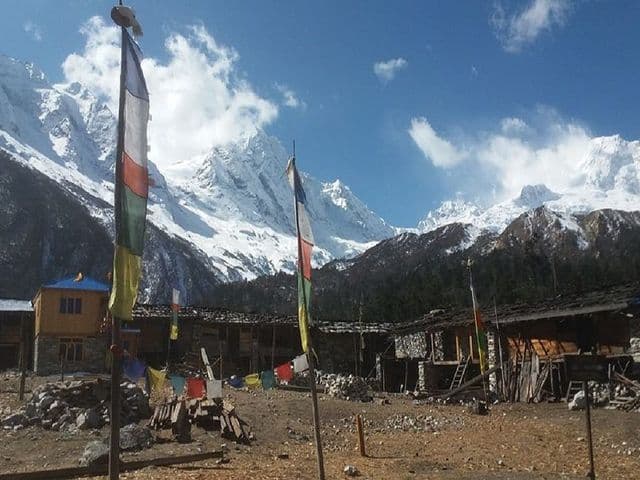
People who want to experience a peaceful life far from the crowded city area, Manaslu trek is the best option for them. This trek will offer truly enriching a beautiful experience in your life. You can witness the beautiful view through your naked eyes. The simplicity, hospitality and raw natural behaviour of the local people of Nepal will make feel like a home. Manaslu trek journey feels like a dream, leading you through unreal natural beauty. Round Manaslu Trek, also known as Manaslu Circuit trek, is a hidden gem in Nepal’s central region.
Background of Manaslu Trek
Manaslu Trek is one of the most famous treks of Nepal, officially opened for foreigners from 1991. It has been a year since Manaslu Trek began, that's why this place has been developed focusing for national to international trekkers. Manaslu trek starts from Arughat and finishes at Besi Sahar, typically takes 13 to 16days to complete. Manaslu trek covers around 180km to 200km depending upon the route taken by trekkers. You can start every morning with the view of the sun's gentle kiss upon the Himalayas, watching the Himalayas blush and change its color into the shade of golden. You can visit this place and let this peaceful beauty become an unforgettable memorial part of your life.
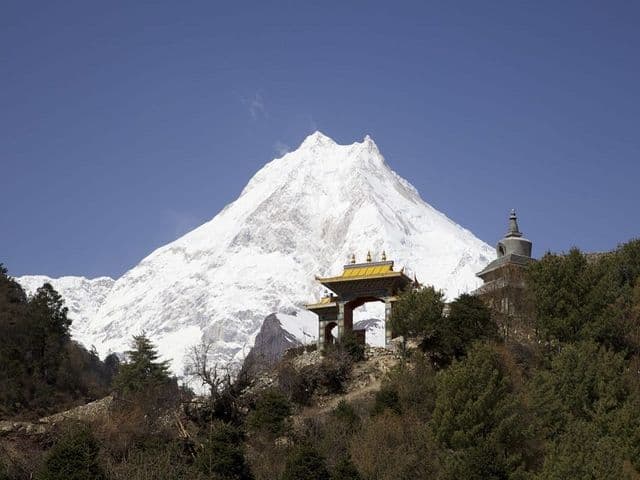
Mt.Manaslu is the eighth highest mountain in the world at 8,163 meters( 26, 781 ft ) above sea level. It is located in the Gorkha district of Gandaki Province, near the border of Nepal and Tibetan, part of Mandiri Himal Range. Manaslu mountain is also known as “kutang” meaning “ Mountain of Spirit”. The lowest point of Manaslu region is Arughat and highest point is Mt. Manaslu.
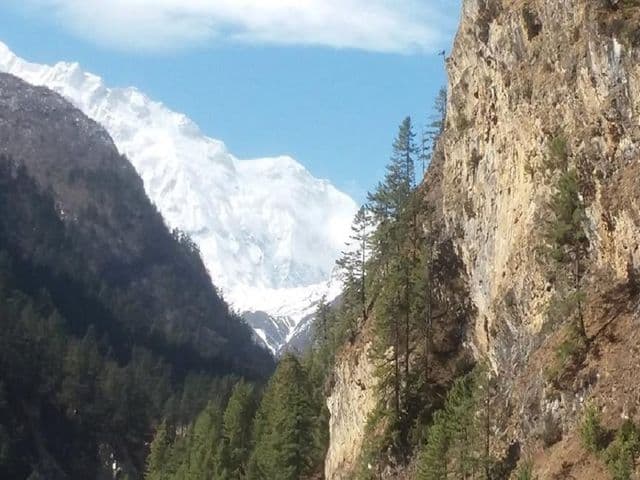
You can see various other mountain peaks other than Mt. Manaslu during trekking include Himalchuli (7893m), Shringi (7187m), Ngadi Chuli (7871m), Saula (6235m), Langpo (6668m) and so on. Larke Pass is the highest point of the Manaslu Circuit which is 5,160 meters (16,930ft) above sea level. From Larke Pass, you can see the views of Manaslu (8,163m), Himlung Himal (7,126m), Cheo Himal (6,820m), and Annapurna II (7,937m).
Manaslu Conservation Area Project (MCAP) established in 1997 with an area covered by 1,663 sq km is managed by National Trust for Nature Conservation (NTNC). This project aims to protect natural resources, preserve cultural heritage and promote sustainable tourism.Climate of Manaslu Region
The Manaslu region offers a climatic diversity and breathtaking natural beauty, making it the best place to do trekking. Rising from lush river valleys to icy Himalayan summits, the region’s climate changes dramatically with altitude, creating varied landscapes and travel experiences within a single journey.
In Manaslu region, the permanent snow line begins above 5,000 metres, where places remain snow-covered throughout the year therefore trekkers can enjoy the snow anytime at any season. These high-altitude zones are filled with beautiful Himalayas covered with snow and ice fields, attracting many trekkers. Trekkers can explore the world from high altitude.
The climatic zones of Manaslu region is divided into several distinct climatic zones and here trekkers can experience different climates. In the subtropical zone, the average summer temperature is in the range of 31-34 C and the average winter temperature is in the range of 8-13 C.
Likewise, in the temperate climatic zone, the summer temperature is 22-25 C and winter temperature is -2-6 C. In the subalpine zone, regular snowfall happens from December to May throughout the year. The temperature range of this zone is 6-10 C.
The temperature of the Arctic zone is below freezing so, this zone falls within the permanent snow line. The Arctic zone is full of snow and ice. This wide range of climatic diversity makes the Manaslu region ideal for trekking and mountaineering.
Flora and Fauna of Manaslu Trek
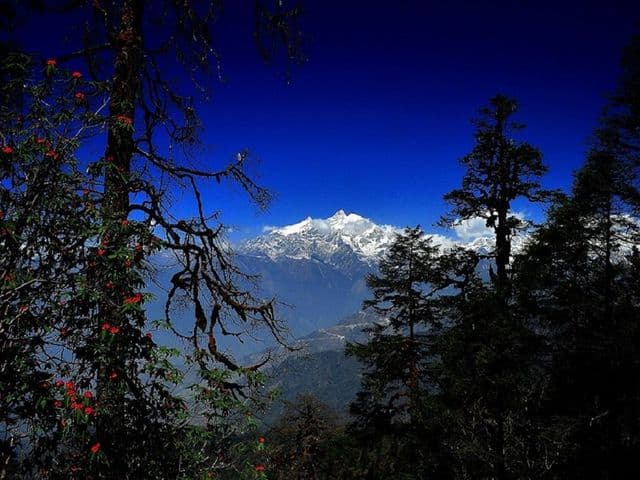
In the Manaslu region, you can witness a variety of wildflowers that freely bloom through your naked eyes especially around the spring and summer season. Nepal’s national flower is rhododendrons which you can see in more than 30 varieties here. Trees like Schima, Castanopsis, Oak, Pine, Plants like Bamboo, Wild banana, Orchids, flowers like Himalayan blue poppies, Primulas, Androsace, Geranium, Primroses, Dubyaea are found here.
Manaslu is a place gifted with medicinal plants like Yarsagumba, Jatamansi, Timur, Kutki, Sunapari and so on. Yarsagumba is a rare fungus used as a traditional medicine for boosting immunity and fighting fatigue.
Fauna of Manaslu Trek
Manaslu region is famous for wild animals that makes trekking more of an adventure. This place is home for animals. A mountain goat called the Himalayan tahr is the most popular animal in this region having thick, reddish-brown hair and curved horns on its head. The snow leopard is a rare animal, you can find here. Many others animals can be seen including red pandas, lynx, Asian black bear, grey wolf, dhole, Assam macaque, Himalayan musk deer, Blue sheep, Himalayan tahr, Mainland serow, Himalayan goral, Woolly hare, Horseshoe bat, Himalayan mouse-hare and Black-lipped pika.
Trekker can also witness the over 110 species of birds in this region, including golden eagle, eurasian griffon, himalayan griffon, blood, impeyan, kalij and koklass pheasants, himalayan and tibetan snow cocks, and crimson horned pheasant.
Cultural Experience
Manaslu Trek is more than trekking. Manaslu region is home for various ethnic groups including the gurungs, tamangs, tibetans and so on. Different ethnic groups have their own culture and tradition. Some of the main ethnic groups of this region are :
Nubri
The Nubri people of the northern part of the Manaslu region are closely connected to the Tibetan Buddhist tradition. They are believed to be of Tibetan origin. They have their own language, religion and customs.
Tsum
Tsum people of southern part of the Manaslu region also are of Tibetan origin, closely tied to the Tibetan Buddhist tradition. They also have their own language i.e unique dialect of the Tibetan language.
Gurung
The Gurung ethnic group is known as the largest ethnic group in the Manaslu region. They lived in the lower hill of the region. They speak their own gurung language.
Bhutia
Bhutia ethnic groups live in higher altitudes of the Manaslu region. They follow Buddhist culture. They do worship of the nature as they believe in the spiritual of nature like mountains, rivers, and other.
Tibetan
Tibetan people follow Buddhism. They have their own culture and tradition. They spoke the Tibetan language.
Other ethnic groups
Other ethnic groups also live here such as magar, tamang, chettri and many others. Each ethnic group has their own language, tradition, culture.
While staying in a local teahouse and lodge, trekkers can experience the daily lifestyle of the local ethnic group. Trekkers can try the new local food. Trekkers can feel the warm hospitality and can see the innocence of their face. You can enjoy the festival of lhosar which is Tibetan New Year.
Mani Rimdu is a 19days festival of Buddhists, celebrated in the Everest region of Nepal to mark the founding of Buddhism in the early 1900s. It is a popular Buddhist masked dance festival.
Famous Monasteries
Manaslu trek is famous for monasteries. Ribung Gompa is the oldest Buddhist monastery located in Samagaon. Mu Gompa is the largest and highest gompa. You can witness other monasteries include Pungyen Gompa, Rachen Gompa, Nuri monastery, Kal Chhokang Gompa, Naksa Chhyoling Gompa, Gonhgye Gompa, Dhiren Gompa, Hinang Gompa, Namla Gompa and others. Some rules that you have to rules while visiting monasteries as a respect towards the culture are:
Always walk clockwise around walls and stupas
wear formal and simple dress
Remove shoes before entering monasteries
Don’t touch prayer flags or monks without permission
Avoid loud speaking
Cultural dress and ornament
Every ethnic group has their own cultural dress and ornament worn by them as their pride. You can experience new things in your life by trying the cultural dress and ornament that will create beautiful memories in your life.
Tamang ethnic group
Traditional dresses worn by tamang women are Gung i.e blouse, Shyade i.e skirts, Pangden i.e striped aprons and the ornament worn by women are pyakchi, gyesups and so on. Similarly traditional dresses worn by men are thick woolen Bakhhu, Labede Suruwal and Bhoto.
Gurung ethnic group
Traditional dresses worn by gurung women are Ghalek, Cholo, Lungi and the ornaments worn by them are necklace made of up silver and beads. Likewise, men wear bhoto , a garment in the shape of a skirt and belt in which a khukhuri can slide.
Tibetan ethnic group
Tibetan ethnic group’s clothes are designed for cold climates. Chuba is worn by both men and women made of wool, sheep fur or silk. Traditional dresses worn by women are white blouse, pangden, a colored top layer with ornaments like silver necklace, earrings and bracelets. Similarly, traditional dresses worn by men are thick chubas accompanied by belts.
Local cuisines
Local people of Manaslu region are mostly engaged in farming and animal husbandry so all the food provided by them is local and natural . Trekkers can taste the real local natural food here. Local cuisine of Manaslu region is heavily influenced by Tibetan cultures, which mainly focus on high-energy foods suitable for cold climates. Here you can taste the local food of many ethnic groups.
Dhal-Bhat is a common food here. There is a popular maxim “Dhal Bhat Power 24hours”. You can also eat dhal-bhat as your dinner or lunch. Dhal-bhat will keep your stomach full and body energetic. You can try the local alcohol which is called “Tungba” and “ Raksi”, this will keep your body warm and it is beneficial for your health and body if you have it in limit.
Tibetan butter tea is a famous beverage in this region. This tea is made up of yak butter, salt and tea leaves. Butter tea keeps your body warm at high altitude. You can try other various local foods here like Dhido, Gundruk, Thukpa, Tibetan Bread, Mo:mo and many other foods.
Drinking Water
Drinkable drinking water is available at teahouses for USD 1-4 per liter, depending on altitude. You have to pay extra for hot water. I personally request you to avoid plastic water bottles to keep the environment clean. You can carry a non-plastic water bottle and can refill the bottle from tap or river.
Highlights
- Mt. Manaslu is the eighth highest mountain in the world at 8,163 meters( 26, 781 ft ) above sea level.
- Including Mt. Manaslu you can enjoy the view of other mountains such as Himalchuli, Ngadi, Shringi, Saula, Langpo and others.
- Larke Pass is the highest point of the Manaslu Circuit from where you can see the view of Annapurna II.
- Ancient monasteries like Ribung Gompa, Namla Gompa, Dhiren Gompa, Gonhgye Gompa, Hinang Gompa, Nuri Monastery, Kal Chhokang Gompa, Pungyen Gompa, Mu Gompa, Rachen Gompa and so on.
- Rich in Tibetan culture.
- Shyala and Samdo are the villages where mountains meet.
- Photography spots are Birendra lake, Larkya La Pass, Pungyen Gompa, Mani Walls near Lho, Manaslu Base Camp, Samdo VIllage , Budhi Gandaki River, Bimthang Meadows.
- Experience the culture, tradition and daily lifestyle of different ethnic groups like gurung, tamang, magar, tibetan and others.
- A breathtaking view can help to relieve your tiredness.
What‘s Included
What‘s Excluded
Availability
Select your preferred departure date. Trip duration: 16 days
Number of Travellers
Select a date to book
Dates are subject to availability. Please contact us to confirm your preferred dates.
Itinerary
Equipment
Hiking Gear
- Backpack to carry trekking equipment
- Reuseable bottle/ thermos bottle to keep your water warm
- Power pack to charge your device
- Knife to cut rope, repairing gear
- Headlamp which is useful for dark walk
- Rain coat and umbrella which is useful during raining
- Sleeping bag
Body wear
- Thermal wear
- Waterproof jacket
- T-shirt
- Fleece jacket
- Down Jacket
Headwear
- Sun hat
- Buff/Neck Gaiter/Scarf
- Sunglass
Boots (Foot wears)
- Warm sock
- Trekking boot high ankle with good grip
- Casual comfortable shoes
- Gaiters
- Insole
- Micro snakes
Hand Wears
- Fabric liner gloves
- Hard-shell outer gloves
Personal utilities
- Undergarments
- Moisture-wicking underwear
- Toothpaste and toothbrush
- Towel
- Sunscreen cream
- Menstrual pads
- Wipe tissue
- Nail cutter
- Hand sanitizer
- Toilet paper
- First aid
- Feminine hygiene products
Lower Body clothes
- Hiking Pants
- Normal comfortable pant
- Hiking shorts
- Waterproof and windproof pants
Documents
- Valid passport
- Necessary permits
- Nepal visa
- Extra passport-sized photos
- Travel insurance details
- Emergency contact information
- Local currency money
Trip Information
Things to know before this trek
- You must have at least two guides with you.
- Keep your body hydrated to prevent serious health issues.
- Keep yourself mentally and physically strong.
- Remand you to carry reusable water bottles to protect the environment.
- Please carry enough Nepalese cash as in remote areas people won't accept online transactions.
- You can carry hygiene equipment such as hand sanitizer, toilet paper or soap for your hygiene.
- Make sure you carry your backup clothes and sleeping bag.
- You can learn some basic nepali languages like ‘Namaste’ and ‘Dhyanyabadh’.
Best season to do Manaslu trekking
Every season is best for trekking however it depends upon the individual what they want to experience.
- Manaslu during spring
The weather in spring is fine and suitable. During the season various colorful rhododendrons bloom, trekkers can witness it. During this season, there will be no snowfall and no rainfall which will make the trekking easier for trekkers. Trekkers can enjoy the clear view of mountains and sky due to clear weather.
- Manaslu during autumn
The weather in autumn is cold and below the moderate, however it is suitable for trekking. People more often choose autumn than spring to do trekking, so it will be challenging to manage as a guide.
Is Manaslu Trek a better option for you?
If you are a person who loves nature and quiet place then Manaslu trek is best option for you as here you can experience the breathtaking mountain view and other natural beauty far from crowded city however Manaslu trek is quite difficult as it cover around 180km to 200km depending on the route taken that usually takes 13 to 16days to complete so, if you want to do trekking here your fitness should be good and you should also have experience in trekking.
Solo Trekking is prohibited
Solo Manaslu trekking is strictly prohibited due to remote and restricted areas. Only group trekking is allowed, also trekking should be done with a licensed guide and accompanied by at least two trekkers excluding guides in a group for Manaslu trekking for the safety of trekkers. A group and guide is mandatory for trekking.
What are the permits needed for Manaslu Circuit?
Trekker need following permit to do Manaslu trek:
This is the main permit and mandatory too. From September to November it will cost 75 dollars for the first 7days and then 10 dollars for each extra day and from December to August it will cost 50 dollars for the first 7days and 7 dollars for each extra day.
What will happen if trekkers lose the Manaslu Circuit Trek permit ?
If trekkers lose the Manaslu Circuit Trek permits, then trekkers won’t be allowed to cross the checkpoint so, all the permits will be kept safe by travel guide and they will show the required document at every checkpoint.
Transportation Facilities
After you arrive at Kathmandu airport, we will drive you from Kathmandu to Arughat which will take around 8 hours. Then from Arughat your trek will start. After completing the beautiful trekking journey, we will drive you from Besi Sahar to Kathmandu.
Accommodation
Teahouse and lodge accommodation is popular here. The rooms are simple and clean with twin beds and shared toilets. Deng, Namrung, Samagaon and Samdo village are in higher up and are remote areas and teahouses there are limited so, i will suggest you to do pre booking. For better security you can carry sleeping bags and extra warm clothes with you while doing Manaslu Trek.
Facilities conclude in accommodation
- Simple room
Rooms are simple and clean. Beds are made up of woolen with a soft pillow and thick blanket. You can carry a sleeping bag for better security.
- Shared Bathroom
In Soti Khola, Machha Khola, Jagat which are at lower altitudes, you may find a few attached bathrooms but at higher altitudes like in Lho, Samagaun, Dharamsala, only shared bathrooms are available.
Suggestion: Toilet paper is not provided as squat toilets are more common here than western toilets so i suggest you carry a packet of wet wipes and hand sanitizer for your own good.
- Hot showers
Villages depend upon solar panels or gas geysers for electricity so, it will cost you from USD 2-5 per shower. At higher altitude, it is hard to find hot water and the climate is also extremely cold, so it will be hard to take a shower, so I suggest you carry biodegradable wet wipes for quick clean-up.
- Charging Facilities
As I already mentioned, villagers depend upon solar panels for electricity so charging may cost USD 1-3 per device. Charging points are found in the dining hall. I personally suggest you carry a powerbank as backup.
Wifi connection
Cellular reception is weak at higher altitude. It will cost you around 5-10 USD per session to use wifi. You can use local SIM cards like NTC and NCELL before heading towards trekking.
Laundry Services
Some teahouses and lodge accommodation at lower altitudes provide laundry services that will cost you a certain amount based on clothes. At higher altitudes such laundry services are not offered, so you have to wash your clothes by yourself.
Trekking preparation
Manasalu trek is trekking from low altitude to high altitude that spans multiple days of trek from 6 to 8 hours of walk for each day. Manaslu trek is difficult for beginners due to the cold climate, unpredictable weather, snowstorms and heavy rainfall. This trek offers amazing views along leading to muscle pain and other health issues.
- Physical Fitness
Physical fitness is necessary for this kind of trekking. It could sound rude but if you are not in great shape then you need to do work on physical fitness.
- Strength Training
Strengthening your muscles, especially your legs will help to climb the hills and backpack. Exercises like squats, deadlifts, push-ups, lunges, and step-ups of your legs will help strengthen your body.
- Hiking Practice
Manaslu trekking is not for beginners so, I will be helpful for you if you do hiking practice which will help to get used to walking in uneven terrain and stones.
- Nutrition and Hydration
Nutrition is important for energy. Proper nutrition, rich in carbohydrates, proteins and healthy fats should be taken to keep your body energetic. We suggest you take a proper Nepali meal “ Dhal-Bhat” that will keep your stomach full as “ Dhal-Bhat power 24 hours”. While trekking don’t pressure your body. You can take a time and have some rest and water from time to time. Keep your body hydrated.
- Mental Preparation
Mental preparation is just as important as physical preparation. You should not lose your hope and you should be confident. You can do meditation and other stress-relief techniques to make your mind relax and free.
- Altitude Sickness
You have to listen to your body and don’t neglect any small symptoms which can lead to serious health issues later. The symptoms of altitude sickness are headaches, nausea, dizziness, fatigue and insomnia.
FAQs about
the trip
Leave a Reply
Your email address will not be published.