Parchamo Peak Climbing
Overview
Parchamo Peak Climbing -
Parchamo Peak (6187m\20298ft.) Climbing is considered as one of the best ways to explore the Rolwaling region and the Khumbu region of Nepal. Parchamo trek provides you a great chance to explore the panoramic views of mountains like Cho Oyu (8188m\26864ft.). Mt Amadablam (6812m\22349ft.), Thamserku (6608m\21679ft.), Kusum Kanguru (6369m\ 20895ft.) Next, along with the unique culture of Sherpa and other ethnic people. People following their own traditions in both Khumbu and Rolwaling regions. You can also explore the amazing wild animals like wild yaks, spotted deer, musk deer, red panda, etc. in beautiful forests of pine and bamboo.
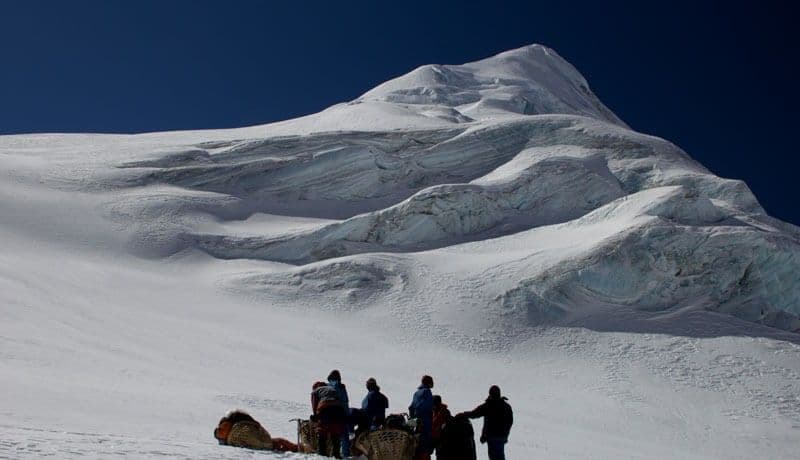
Parchamo Peak climbing (6187m) or Parchemuche Peak is a trekking peak that lies to the south of Tashi Lapcha and gives you amazing views of many mountains. This peak climbing also explores the least explored part of the Rolwaling region and Khumbu region. The Northwest ridge rises relatively flat and crevassed with a glacier despite, it extends from Tashi Lapcha Pass. The west ridge forms a uniform snow slope which is broken by crevasses.
Although, small seracs rising from the rocky lower walls above the Drolambau Glacier. Parchamo peak 6187 m (20298 fits) can be combined with more challenging Randumg Go Peak to make the climbing experience more exciting. The first summit to this peak was made by Dennis Davis and Phil Boutbee in 1955. From then on, numerous climbers have successfully attempted the peak.
Parchamo Peak Climbing details
We initiate our trek from Kathmandu by taking an amazing flight to Lukla in the Everest region. This flight is one of the highlights of the trip and you won’t forget the experience. From Lukla, we start our trek and reach Phakding only to trek to Namche Bazaar. Similarly, Namche Bazaar is a popular trade hub for Everest region trekkers and climbers. We continue our trek to Thame and then to Thengpo Kharka from where we trek again to Ngole. Along the trail, you experience the amazing Himalayan views and learn why Nepal is called the country of Himalayas. From Ngole, it is all the way to High Camp – we take rest at the High Camp and learn basics about the climbing. The next day, we summit the Pharchamo Peak.
At last, once we \climb Pharchamo peak then a successful summit rewards us with breathtaking views of mountains. You can sea mount Tengi Ragi Tau, Cho Oyu, Ama Dablam, Thamserku, Kusum Kanguru and many more. The returning route is the same and once we are in Kathmandu, we organize a small gathering to celebrate the successful summit with the team.
What‘s Included
What‘s Excluded
Itinerary
Our airport representative picks you up from airport and transfers you to hotel for further briefing about the upcoming trip. In the evening, a small meeting shall be held to discuss and prepare for the trek. And after meeting you can roam around Thamel to get familiar with environment and location.
Today, you are transported to domestic terminal of Kathmandu airport with our team members. And take scenic flight to Lukla, this flight cumulates as the world’s most dramatic flight as we fly above the breathtaking green and white mountains. Upon the arrival, we do some packing and preparation and head to Phakding. Once you reach Phakding you can either rest or take short trek to local monastery. Meals included: Breakfast, lunch and dinner with tea or coffee and finally an overnight stay in trekking lodge or tented camp.
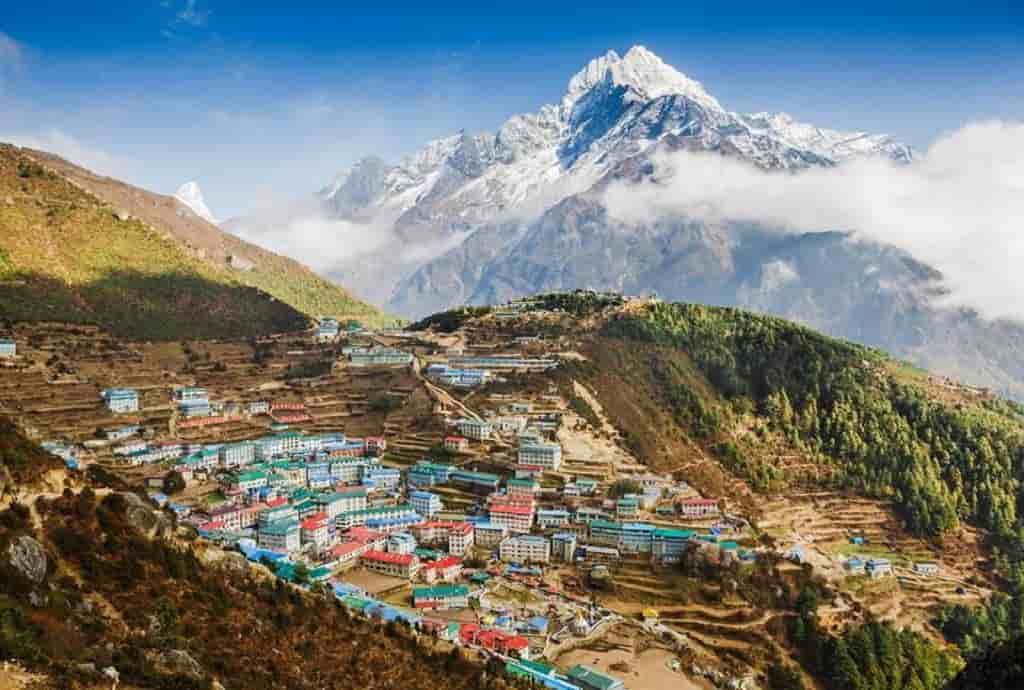
From Phakding we trek to Namchhe Bazaar. The trail is uphill with downhill combined of crossing rivers and bridges. This way, our trekking permits are checked and pass some famous suspension bridge as well. Namche Bazaar is the main administrative and trading centre for the Khumbu region. With the inclusive of magnificent forests of blue pine, fir, juniper and rhododendron as well as first view of Everest, it helps you to control the anticipation of the thrilling journey. Meals included: Breakfast, lunch and dinner with tea or coffee and finally an overnight stay in trekking lodge or tented camp.
Although we are acclimatizing, Health experts recommend us to stay active and move short distance instead of remaining idle. Therefore, we acclimatize in Namchhe Bazaar by taking a day hike to Thame or by visiting Khunde. Namchhe bazaar is full of facilities like government offices, ATMs, Internet cafes, shops, restaurants and various markets. This way you won’t get bored and acclimatize well. Meals included: Breakfast, lunch and dinner with tea or coffee and finally an overnight stay in trekking lodge or tented camp.
This is a short hike and for our first pass, Renjo La Pass: to reach we have to leave usual Everest trail and take toward north-west toward Tibet to the village of Thame. Thame is famous as the Tenzing Norgay himself grew up here & houses famous Thame Monastery. You can see Thame, Kwangde, Thamserku, Kusum Kangaru and other Himalayas from here. Meals included: Breakfast, lunch and dinner with tea or coffee and finally an overnight stay in trekking lodge or tented camp.
We climb take the main trail towards Thamo Teng and from the top we turn west to pass mani and chorten’s on the way. We continue our trail by taking the west of the valley of Thame Khola and pass Yak pasture land to reach Thengpokharka. Meals included: Breakfast, lunch and dinner with tea or coffee and finally an overnight stay in trekking lodge or tented camp.
Today, we leave river valley of Ngole behind and trail north-west to ascend a spur of Tengi Ragi Tou. We cross a rock slide, grassy moraine and after an hour of hike takes us to the moraine beneath the overhangs to Ngole. Meals included: Breakfast, lunch and dinner with tea or coffee and finally an overnight stay in trekking lodge or tented camp.
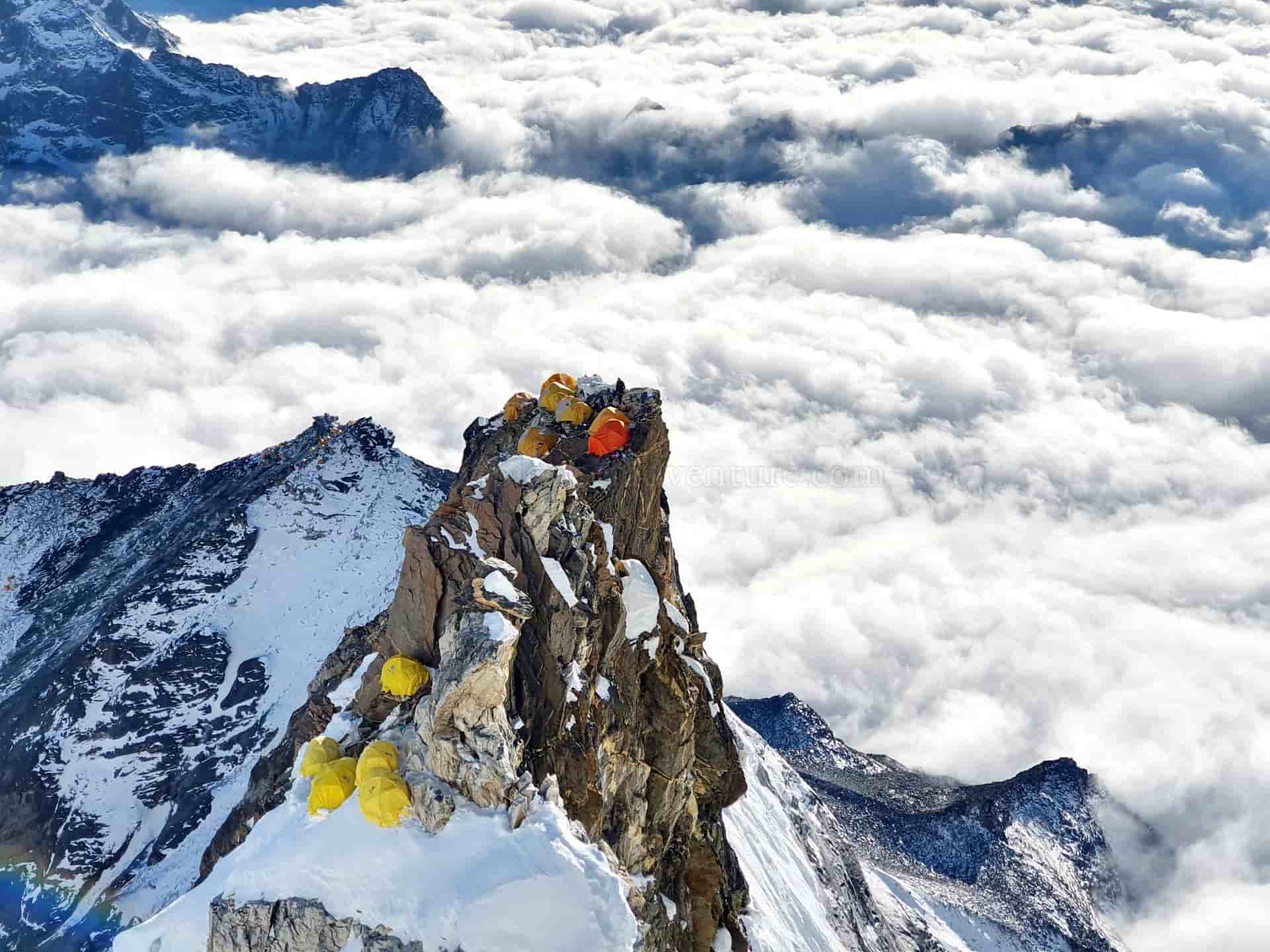
We climg the north-east of the icefall from Tashi Lapcha which is over scree beneath the rock wall of Tengi Ragi Tau and arrive on rocky terraces. We set our tent here and then prepare ourselves with necessary equipments and trainings to summit the next day. Meals included: Breakfast, lunch and dinner with tea or coffee and finally an overnight stay in trekking lodge or tented camp.
Early in the morning, we start our summiting journey. First we climb the snow slopes to get to the ridge of Parchamo which rises from the broken glacier of Tashi Lapcha Pass. Continuing our clilmb on the ridge we reach the summit without much difficulty. Once you are at the top; Cho Oyu, Tengi Ragi tau, Ama Dablam, Thamserku, Kusum Kangaru and other mountains can be seen. Then after taking our time there, we trace ourselves back to Base Camp. Meals included: Breakfast, lunch and dinner with tea or coffee and finally an overnight stay in trekking lodge or tented camp.
Nature is unpredictable and sometimes some team members suffer from severe condition. Reserving one extra day to fill any kind of contingencies helps to complete the climb successfully in case of bad weather & suffering of any team member. If the trip goes smoothly this day won’t be used/necessary. Meals included: Breakfast, lunch and dinner with tea or coffee and finally an overnight stay in trekking lodge or tented camp.
We descend all the way to Thame from the glaciers, rock slides, grassy moraines and following the valley. Meals included: Breakfast, lunch and dinner with tea or coffee and finally an overnight stay in trekking lodge or tented camp.
Journey from Thame to Namchhe is awe-inspiring, you get to enjoy the amazing Himalayan views and great landscapes with sweet breeze as we trail along the trail. Meals included: Breakfast, lunch and dinner with tea or coffee and finally an overnight stay in trekking lodge or tented camp.
Descending steeply downward we take slow walk across the rocky terrain. Then we cross the suspension bridges over Dudh Koshi and take quite and charming route. The trail is same as we trekked uphill but the sceneries appear different and the rhododendron & pine forest makes this trail even interesting. You can see Sherpa culture with prayer stones and flags in the monasteries once you arrive Lukla. Meals included: Breakfast, lunch and dinner with tea or coffee and finally an overnight stay in trekking lodge or tented camp.
Taking flight back to Kathmandu, you can relive the amazing mountain flight experience. After the arrival you can arrange your luggage, emails, and photos and do sightseeing in the evening. Also you can shop around for Nepalese goods, artifacts and buy souvenirs for friends and family at home. In the mean time we organize fantastic get-together with Sherpa’s and guides in the evening. Meals included: Breakfast, and finally an overnight stay in hotel. Attend the evening dinner and cultural program provided by the company.
Thank you for enjoying the country of Mountain. We arrange your documents while you can organize your luggage. Approximately 3 hours prior to your scheduled flight, our airport representative drops you to the airport. Have a safe journey home.
FAQs about
the trip
Nepal, as a tourist destination is good for all seasons, however, the best seasons for trekking to Kanchenjunga region are Spring (March – May) and Autumn (mid Sept. – mid Dec. ). Trekking in autumn season is noted for clear weather and excellent views of silvery mountains against blue sky. It gets colder towards the end of December. This trek can be done in any month except January and February.
Speak to an Expert
Suresh Bhandari
Leave a Reply
Your email address will not be published.