Yubra Himal Peak Climbing
Trip at a glance
- Duration
- 16 days
- Difficulty
- Easy
- Best season
- September- December and March - May
- Accommodation
- Hotel and tea house
- Group size
- 1 – 18 people
- Meals included
- ( B,L,D ) Breakfast, Lunch, Dinner full board base
- Max altitude
- 6,048 m
- Transportation
- Flight, Bus, Tourist & private vehicle
Overview
Highlights of Yubra Himal Peak Climbing-
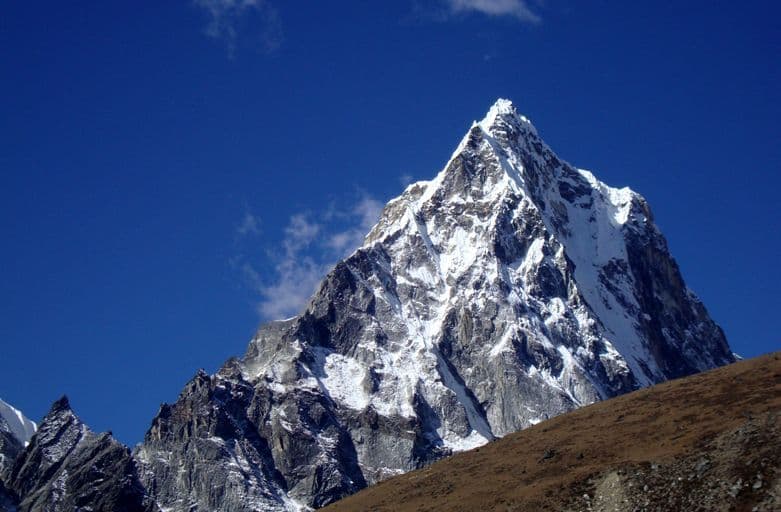
Yubra Himal Peak climbing takes you to Rasuwa district, exploring various floras and faunas of the Langtang region. This trek provides you marvelous views of stunning Himalayas RANGE. Along with amazing wildlife and vegetation of this region. Trek to Yubra Himal also includes observation of the deepest George “Kaligandaki”. And beautiful landscape during the trail. Besides this, you can also explore beautiful Tamang settlements of the Langtang region. The living style of local people with their unique culture, traditions, and rituals.
Trip details—
Attempts to climb Yubra Himal Peak (6035m) are very rare. One source says that less than 10 attempts are made since 2002. And this is an opportunity for adventure lovers to explore the unknown territory of Yubra Himal Peak. Climbing Yubra Peak involves technical toughness and sound physical fitness is expected by looking at the demand of the climbing.
However, Yubra Himal peak 6035 m (19799 fit ) is situated in the Rasuwa district of Nepal and takes you along the remote part of the Langtang region. Other trips include the amazing and memorable Tamang culture and beautiful landscape along the trail.
Many mountains like Ganesh Himal 7422 m/ 24350 ft. Langshisha Ri (6427 m/ 21085 fit , Dorje Lakpa 6966m/ 22854 fit. Lantang Lirung 7234 m/ 23734 ft. Mount Yala peak 5700m/ 18700 fit, Naya Kang Peak 5844 m / 19173 fit, Shishapangma 8027 m/ 26335 fit, etc can be seen during this trek. First, our trip starts with a drive from Kathmandu to Syabrubesi from where we officially start our trek. Then our trip follows up the famous Lama Hotel then Langtang Valley afterward we reach Kyanjin Gompa – here we climb up to Kyanjin Ri (4750m).
Next up to Kyanjin Gompa the trail was the normal Langtang valley trail and now we change our trail by hiking toward Yubra Base Camp. Likewise, from here we gradually pick higher altitudes and in most of the stop. We learn techniques to use climbing gear and types of equipment like ice-ax, ropes, crampons so on. Also, resting is very necessary, especially in the mountain. Therefore, we reserve as much of our energy as possible. Upon reaching the top of the Yubra Himal, we celebrate for a while, take snaps & finally return back to camp. Our return journey to the civilization of Kathmandu is through the same route. Upon arriving Kathmandu, we organize a small get-together with Sherpa’s, climbing guides. And other staff to celebrate the successful summit.
What’s included
A clear breakdown of what your trip price covers.
Included
- Arrival & Departure transfers on both domestic and international flights.
- Accommodation at 3 star hotels in Kathmandu
- Full board meals on tented camping & Lodge expedition
- Accommodation on tented camp
- Half day guided city tour as listed in itinerary
- Peak Climbing Permit Royalty and other government tax
- Group Climbing gear including climbing rope, ice axe, roomer, harness, figure of eight, carabineer etc.
- All camping equipment - 2-person member tent, dinning tent, kitchen tent, staff & porter tent, toilet tent with commode, dining table with backrest chair etc.
- Free use of quality trekking gear - sleeping bag, fleece inner liner, insulated mat, down jacket, duffel bag etc during the trip
- Well-experienced Climbing guide with all his allowance and expenses
- Porters to carry all personal gear and group equipment
- Insurance of all staff including porters
- Adventure Treks T-shirts / other seasonal gifts as perks
- 10 % VAT and 13% TSC Taxes.
- High altitudes chamber bags (PAC) for very high altitudes
Not included
- Nepal entry Visa fees your travel insurance of any kind emergency evacuation insurance is recommended as this is an adventurous trip and evacuation by Helicopter may be necessary
- International Airfare
- Lunch and Dinner except mentioned itinerary
- All Drinks and main meals in cities.
- Tips items for trekking crew members personal expenses like hot shower battery charge Telephone laundry beverage drinks etc.
Availability
Pick a departure date and we’ll fill in the rest of your 16-day trip automatically.
Select a date to enquire
Choose any available start date on the calendar.
Dates are subject to availability. Please contact us to confirm your preferred dates.
Itinerary
16 days, planned step by step. Tap a day to see the details.
Welcome to Kathmandu, our Sunrise Adventure Trek airport representative will welcome you in the airport then transfer to hotel and will give short & brief details of the upcoming trip program. Overnight stay in hotel.
Kathmandu is a busy city & after morning breakfast we do sightseeing around Kathmandu. You visit some of the important monuments and heritages located here. While you do sightseeing our team members will be organizing your climbing equipments and gears. Each gear is packed after the approval of certified climbing guide and then later in the evening you can pack your gears as well as other stuffs.
After breakfast,drive out along the north-western mountains of Kathmandu.Enjoy the Himalayan views and marvel at the unique lifestyle through the terraced fields and rural towns Lunch on the way before proceeding further to Dhunche to Syabrubesi. Meals included: Breakfast, lunch and dinner and finally an overnight stay in trekking lodge.
Follow the Langtang Khola River. Pass through the thick woodlands. Cross a few suspension bridges, Pass teahouses & some rivers and forests, we reach Lama Hotel. The trail looks steep, this anticipates all the excitements and make sure you are enjoying the trip. Meals included: Breakfast, lunch and dinner with tea or coffee and finally an overnight stay in trekking lodge or tented camp.
After breakfast, trek proceeds along thick woods. The trail begins to get steeper and we pass though the forest of oaks, hemlocks, maples and rhododendrons. Then we pass two lodges in the forest at Gumanchowk, from where we climb to Nepal Army post and national park checkpoint at Ghoda Tabela. After that we ascend gradually to reach Tamang village – this small village consists guesthouses & yak farms with environment surrounded by buckwheat, wheat, turnips, potatoes and barley. Meals included: Breakfast, lunch and dinner with tea or coffee and finally an overnight stay in trekking lodge or tented camp.
After breakfast, we escape the town and pass through yak pastures. Slowlygetting into the high elevations; you may begin to feel the thin mountain air. Kanjin Gompa is encompassed by the Himalayas all around. You can go out for a stroll around Kanjin Gompa appreciating the perspectives, ice sheets, icefalls and yaks. Meals included: Breakfast, lunch and dinner with tea or coffee and finally an overnight stay in trekking lodge or tented camp.
We trek to Yubra Himal Base Camp. It is easy walk to Hima Base Camp compared to upcoming journey. We reach Himal Base Camp and take rest for so that we can reserve our energy and adjust our body to the surrounding. Meals included: Breakfast, lunch and dinner with tea or coffee and finally an overnight stay in trekking lodge or tented camp.
Today, we climb to High Camp, the climb is technically challenging and we use ropes and also learn techniques to walk in glacier. Upon reaching High Camp, you can either take rest and preserve your energy for next day or you can learn techniques to climb efficiently. Meals included: Breakfast, lunch and dinner with tea or coffee and finally an overnight stay in trekking lodge or tented camp.
We climb to High Camp II today. The climb requires the use of ropes and other equipments. But you can complete today’s task easily because you already have little climbing experience in this type of terrain. Again, we take complete rest for today. Meals included: Breakfast, lunch and dinner with tea or coffee and finally an overnight stay in trekking lodge or tented camp.
Today is our most anticipated day of our whole trip. We climb Yubra Himal today and we make use of our climbing equipments extensively. Upon reaching the top of the mountain you can view panoramic views of mountains all around you. This will be the feeling of lifetime. We stay here for a while and descend toward Kyanjin Gompa. Meals included: Breakfast, lunch and dinner with tea or coffee and finally an overnight stay in trekking lodge or tented camp.
We trek to Kyanjin Gompa for return trip. The trek is filled with chortens, yaks and ice falls. Along the way stunning views of Himalayas surrounds us. The trek will never be boring because for most of us it is unusual to be surrounded by amazing hills and mountains over it. Meals included: Breakfast, lunch and dinner with tea or coffee and finally an overnight stay in trekking lodge or tented camp.
Today we trek to famous Lama Hotel. The route from Kyanjin Gompa to Lama Hotel follows through Langtang Khola to Mumdu to Langtang Village to Thangshap to Ghoda Tabela & Gumanchowk. After having lunch at Ghoda Tabela, we take steep downhill trail to Lama Hotel. Meals included: Breakfast, lunch and dinner with tea or coffee and finally an overnight stay in trekking lodge or tented camp.
First we ascend to Upper Rimche and then descend all the way to Langtang Khola. From there we cross the bridge and reach Bamboo. We gently descend to Landslide lodge and then climb to Thulo Syabru after taking quick rest in the lodge. The way to Thulo Syabru from the lodge goes uphill and we have to climb steeply before arriving at the pleasant village Thulo Syabru. Meals included: Breakfast, lunch and dinner with tea or coffee and finally an overnight stay in trekking lodge or tented camp.
Today we climb steep through the forest of oak, fir and rhododendron to the top of ridge and short descent from here takes us to Brabal. We again descend down to reach Thulo Bharkhu (1860m) – there is motor road access in Thulo Bharku to Dhunche and Syabru Besi. But we continue our trip from east side enjoying the beautiful scenery of Tibetan mountains & Ganesh Himal. And reach Dhunche after walking across a small stream and ascending for a while. Meals included: Breakfast, lunch and dinner with tea or coffee and finally an overnight stay in trekking lodge or tented camp.
We take local bus to Kathmandu & private vehicle if it is included in the package at the time of booking. The drive is scenic with foothills and ridgeline vistas all the way to Kathmandu. First we drive up to Trishuli Bazaar in gravel & bumpy road and then comes well paved road. Meals included: Breakfast, and finally an overnight stay in hotel. Attend the evening dinner and cultural program provided by the company.
After breakfast in the morning small farewell program is held and you are dropped off to the airport approximately 3 hours before your scheduled flight. During the flight you can recall and relive the wonderful memories shared with Nepal – the land of Himalayas.
Frequently asked questions
Quick answers about this trip. Still unsure? Our team is happy to help.
Nepal, as a tourist destination is good for all seasons, however, the best seasons for trekking to Kanchenjunga region are Spring (March – May) and Autumn (mid Sept. – mid Dec. ). Trekking in autumn season is noted for clear weather and excellent views of silvery mountains against blue sky. It gets colder towards the end of December. This trek can be done in any month except January and February.
Nepal, as a tourist destination is good for all seasons, however, the best seasons for trekking to Kanchenjunga region are Spring (March – May) and Autumn (mid Sept. – mid Dec. ). Trekking in autumn season is noted for clear weather and excellent views of silvery mountains against blue sky. It gets colder towards the end of December. This trek can be done in any month except January and February.
Nepal, as a tourist destination is good for all seasons, however, the best seasons for trekking to Kanchenjunga region are Spring (March – May) and Autumn (mid Sept. – mid Dec. ). Trekking in autumn season is noted for clear weather and excellent views of silvery mountains against blue sky. It gets colder towards the end of December. This trek can be done in any month except January and February.
Nepal, as a tourist destination is good for all seasons, however, the best seasons for trekking to Kanchenjunga region are Spring (March – May) and Autumn (mid Sept. – mid Dec. ). Trekking in autumn season is noted for clear weather and excellent views of silvery mountains against blue sky. It gets colder towards the end of December. This trek can be done in any month except January and February.
Nepal, as a tourist destination is good for all seasons, however, the best seasons for trekking to Kanchenjunga region are Spring (March – May) and Autumn (mid Sept. – mid Dec. ). Trekking in autumn season is noted for clear weather and excellent views of silvery mountains against blue sky. It gets colder towards the end of December. This trek can be done in any month except January and February.
Nepal, as a tourist destination is good for all seasons, however, the best seasons for trekking to Kanchenjunga region are Spring (March – May) and Autumn (mid Sept. – mid Dec. ). Trekking in autumn season is noted for clear weather and excellent views of silvery mountains against blue sky. It gets colder towards the end of December. This trek can be done in any month except January and February.
Nepal, as a tourist destination is good for all seasons, however, the best seasons for trekking to Kanchenjunga region are Spring (March – May) and Autumn (mid Sept. – mid Dec. ). Trekking in autumn season is noted for clear weather and excellent views of silvery mountains against blue sky. It gets colder towards the end of December. This trek can be done in any month except January and February.
Nepal, as a tourist destination is good for all seasons, however, the best seasons for trekking to Kanchenjunga region are Spring (March – May) and Autumn (mid Sept. – mid Dec. ). Trekking in autumn season is noted for clear weather and excellent views of silvery mountains against blue sky. It gets colder towards the end of December. This trek can be done in any month except January and February.
Nepal, as a tourist destination is good for all seasons, however, the best seasons for trekking to Kanchenjunga region are Spring (March – May) and Autumn (mid Sept. – mid Dec. ). Trekking in autumn season is noted for clear weather and excellent views of silvery mountains against blue sky. It gets colder towards the end of December. This trek can be done in any month except January and February.
Nepal, as a tourist destination is good for all seasons, however, the best seasons for trekking to Kanchenjunga region are Spring (March – May) and Autumn (mid Sept. – mid Dec. ). Trekking in autumn season is noted for clear weather and excellent views of silvery mountains against blue sky. It gets colder towards the end of December. This trek can be done in any month except January and February.
Nepal, as a tourist destination is good for all seasons, however, the best seasons for trekking to Kanchenjunga region are Spring (March – May) and Autumn (mid Sept. – mid Dec. ). Trekking in autumn season is noted for clear weather and excellent views of silvery mountains against blue sky. It gets colder towards the end of December. This trek can be done in any month except January and February.
Leave a review
Travelled with us? Share your experience. Your email address will not be published.
Planning a trip to Nepal?
Tell us what you have in mind and we’ll tailor a trip around you.