Mt. Yala Peak Climbing
Trip at a glance
- Duration
- 16 days
- Difficulty
- Moderate
- Best season
- March to May and September to December
- Accommodation
- Lodge to Lodge Trek
- Group size
- 1 – 18 people
- Meals included
- breakfast, lunch, dinner
- Transportation
- Private vehicle, Tourist bus or flight
Overview
Gears and types of equipment is most important for the climbing. Below are the essential gears for Mera peak climbing so you can choose some of them as you need. 1. A sport harness- provides the best grip preventing you from falling 2. Carabineers- used in rope-intensive activities 3. Infinity Dry Rope / Prusik Loop- used in rope rescue 4. Braking Belay Device- attached to harness or carabineer 5. Crampons- improves mobility while walking over snow 6. Trekking Poles- walking support on the ice 7. The Figure of eight locks/ Descender/ Super 8- precise control over speed while descending 8. Ascender- attached to a rope to make ascending easy 9. Ice Axe- ice climbing tool 10. Multi-LED Headlamp & Spare batteries- for a clear journey 11. Slings- reduce the load damage 12. Altimeter- to measure the altitude of the place 13. Climbing Helmet- protect from rock falls 14. Climbing Rope- important for climbing 15. U- Lock- makes better locks 16. Gloves (Insulating)- used for various stuff like making knots, climbing and keeping your hands warm 17. Sleeping bag- protects your body while sleeping 18. Survival Blanket- works as a useful first-aid kit if someone is going into shock 19. Oxygen- necessary if you suffer from AMS its an optional one 20. Insect repellent- protects from the bite Besides Climbing gears, there are other things that you need while trekking. They are listed below: Clothing • Loose comfortable T-Shirts • Long-sleeved shirts for sun protection • Trousers • A warm jacket and a fleece pullover • A thermal layer (shirt and pants) • Water and windproof jacket • Water and windproof trousers • Woolen or thermal gloves • Sun hat and sunglasses • Woolen or fleece hat • Scarf • Down jacket Footwear • A pair of Hiking Boots-water resistance • Trekking Shoes • Sandals • Socks • 4 pairs of good hiking socks • 4 pairs of thermal socks Bags Bags • Duffel bags • Day Backpack Skin Protection • Sunscreen- a minimum of SPF 30 • SPF lip balm • Pairs of sunglasses Toiletries and First Aid • Soap • Shampoo • Conditioner • Travel Towel • Toothpaste and Toothbrush • Deodorant and Wet Wipes • Hair Brush and Hair Ties • Tampons or Pads • Toilet Paper and Hand Sanitizer First Aid Kit • Basic medicine- cold medicines, anti-diarrhoea pills, and Diamox for altitude sickness. • Bandages • Gauze • Medical tape and a compression bandage for strains or sprains • Nail clippers. • Any prescription medication Electronics • Mobile Phone and Charger • Camera, Memory Cards and Charger or Batteries • Power Bank
Mt. Yala Peak Climbing: An Unforgettable Adventure
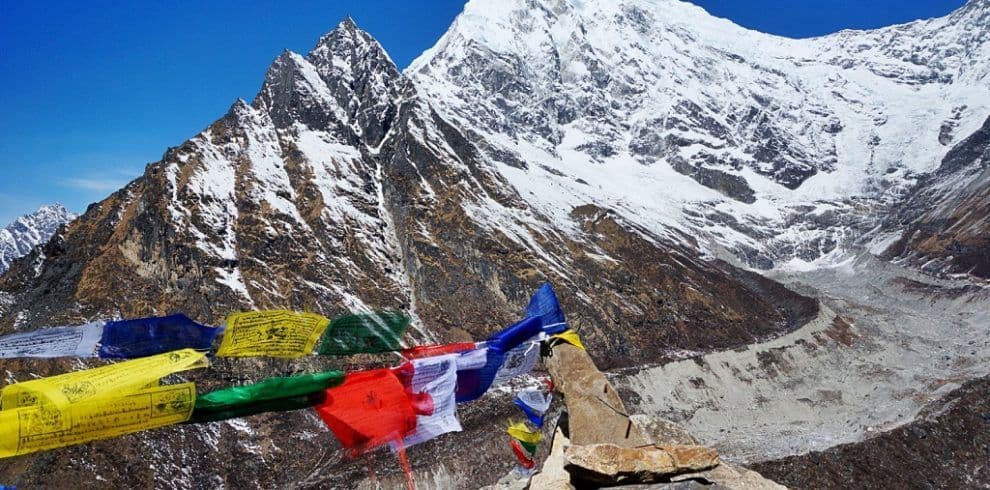
Mt. Yala Peak Climbing offers excellent views of several majestic mountains, including:
Shishapangma (8027 m / 26335 ft.)
Langtang Lirung (7246 m / 23772 ft.)
Dorje Lakpa (6990 m / 22933 ft.)
Gangchempo (6388 m / 20958 ft.)
Passing through Langtang National Park provides a great opportunity to explore rare wildlife such as:
Red panda
Wild dog
Musk deer
And many more
Additionally, you'll have the chance to experience the preserved ethnic Tamang and Sherpa culture. The trek to Mt. Yala promises unforgettable moments in your life.
What’s included
A clear breakdown of what your trip price covers.
Included
- Arrival & Departure transfers on both domestic and international flights
- Accommodation at 3 star hotels in Kathmandu
- Full board meals on tented camping & Lodge expedition
- Accommodation on tented camp as listed in itinerary
- Welcome or fare well dinner
- Half day guided city tour as listed in itinerary
- Peak Climbing Permit Royalty and other government tax
- Group Climbing gear including climbing rope, ice axe, zoomer, harness, figure of eight, carabineer etc.
- All camping equipment - 2-person member tent, dinning tent, kitchen tent, staff & porter tent, toilet tent with commode, dining table with backrest chair etc.
- Free use of quality trekking gear - sleeping bag, fleece inner liner, insulated mat, down jacket, duffel bag etc during the trip
- Well-experienced Climbing guide with all his allowance and expenses
- Trekking Cook, guides and other support staff
- Porters to carry all personal gear and group equipment
- Insurance of all staff including porters
- Adventure Treks T-shirts / other seasonal gift
- 10 % VAT and 13% TSC Taxes.
- High altitudes chamber bags (PAC) for very high altitudes
Not included
- Nepal entry Visa fees.
- International Airfare and Airport Tax.
- Your Travel Insurance.
- Drinks and main meals in cities.
- Personal climbing gears: (can be hire in Kathmandu but better to bring with) Climbing Boots, Ice Axe.
- Zoomer, Harness, Figure of Eight, Carabineer.
- Tips and items of a personal nature like postage, laundry etc.
Availability
Pick a departure date and we’ll fill in the rest of your 16-day trip automatically.
Select a date to enquire
Choose any available start date on the calendar.
Dates are subject to availability. Please contact us to confirm your preferred dates.
Itinerary
15 days, planned step by step. Tap a day to see the details.
Welcome to Nepal! You will be received from airport by our airport representative. And then your will be transferred to the designated hotel while a small meeting may be held to explain more about the climb.
Kathmandu is culturally rich and you will be sightseeing some of the best touristic attractions like Swayambhunath, Pashupatinath, Bauddhanath and others too.
We climb up to the Trishuli valley through twisted roads and continue to Betrawoti. From there we trek further and arrive to Dhunche and we continue the trek to visit Langtang National Park. Meals included: Breakfast, lunch and dinner and finally an overnight stay in trekking lodge .
Ascending through the forest and along the river bank, we will trek to Bamboo Village for lunch. We can even see bee hives on the way. Then we descend from there and we reach to Lama Hotel. Meals included: Breakfast, lunch and dinner with tea or coffee and finally an overnight stay in trekking lodge or tented camp.
Following the Gumanechowk, Ghoda Tabela; the trek is gradual and beautiful valley with yaks grazing is truly mesmerizing to watch. Meals included: Breakfast, lunch and dinner with tea or coffee and finally an overnight stay in trekking lodge or tented camp.
Following the Himalayan sceneries, we continue our journey by crossing many stones and reach to Kyanjing Gompa. In Kyanjin Gompa we will have lunch and stay for a night. Mt. Ganchemo and Langtang are some mountains you can see from here. Meals included: Breakfast, lunch and dinner with tea or coffee and finally an overnight stay in trekking lodge or tented camp.
Kyanjing Gompa is famous for cheese factory and monastery. So, you can take a day to explore around the valley and surrounding or you can hire a guide and go Kyanjing-ri or the northern part of the glacier to enjoy the views. Meals included: Breakfast, lunch and dinner with tea or coffee and finally an overnight stay in trekking lodge or tented camp.
Through the rocky glacier trail; all supported by great views of Ganchenpo, Naya Kang, Tserko Ri, Yala peak and others. We trek to Yala Peak Base Camp to accommodate ourself in tented camp where stay for overnight. Meals included: Breakfast, lunch and dinner with tea or coffee and finally an overnight stay in trekking lodge or tented camp.
It is finally the day to climb Yala Peak. And depending on the weather condition we start early in the morning. From there you will be stunned and get to view panoramic views of Shishapangma, Dorje Lakpa, Ganchenpo, Naya Kang, Tserko Ri, Langtang Lirung and other many Tibetan mountains. Meals included: Breakfast, lunch and dinner with tea or coffee and finally an overnight stay in trekking lodge or tented camp.
In case there is bad weather, we reserve extra one day to be on safe side. This helps to postpone the climb in spite of the bad weather. Or you can roam around Kyanjin Gompa, cisit the Langtang Glacier or take a rest after climbing. Meals included: Breakfast, lunch and dinner with tea or coffee and finally an overnight stay in trekking lodge or tented camp.
We will rejoin the trail back to Lama Hotel. Meals included: Breakfast, lunch and dinner with tea or coffee and finally an overnight stay in trekking lodge or tented camp.
Today is the day to leave the mountains behind and again rejoin the city life. We descend back to Syabru Besi: Our trekking start point. And you can take photos along the way if you like; just to keep your memories. Meals included: Breakfast, lunch and dinner with tea or coffee and finally an overnight stay in trekking lodge or tented camp.
We drive back to Kathmandu which is around 8 hours. Or you can change the route and increase the route further. That is; if you really enjoyed and want more from Nepal Trek. Meals included: Breakfast, and finally an overnight stay in hotel. Attend the evening dinner and cultural program provided by the company.
Today, you can either roam around Kathmandu city or take rest. There are many spas, massage centers and places to go. It is a best option to shop around Thamel area.
Happy journey home! You will be dropped to the airport by our representatives and small farewell program will be held. This insures you receive our best service.
Frequently asked questions
Quick answers about this trip. Still unsure? Our team is happy to help.
Nepal, as a tourist destination is good for all seasons, however, the best seasons for trekking to Kanchenjunga region are Spring (March – May) and Autumn (mid Sept. – mid Dec. ). Trekking in autumn season is noted for clear weather and excellent views of silvery mountains against blue sky. It gets colder towards the end of December. This trek can be done in any month except January and February.
Nepal, as a tourist destination is good for all seasons, however, the best seasons for trekking to Kanchenjunga region are Spring (March – May) and Autumn (mid Sept. – mid Dec. ). Trekking in autumn season is noted for clear weather and excellent views of silvery mountains against blue sky. It gets colder towards the end of December. This trek can be done in any month except January and February.
Nepal, as a tourist destination is good for all seasons, however, the best seasons for trekking to Kanchenjunga region are Spring (March – May) and Autumn (mid Sept. – mid Dec. ). Trekking in autumn season is noted for clear weather and excellent views of silvery mountains against blue sky. It gets colder towards the end of December. This trek can be done in any month except January and February.
Nepal, as a tourist destination is good for all seasons, however, the best seasons for trekking to Kanchenjunga region are Spring (March – May) and Autumn (mid Sept. – mid Dec. ). Trekking in autumn season is noted for clear weather and excellent views of silvery mountains against blue sky. It gets colder towards the end of December. This trek can be done in any month except January and February.
Nepal, as a tourist destination is good for all seasons, however, the best seasons for trekking to Kanchenjunga region are Spring (March – May) and Autumn (mid Sept. – mid Dec. ). Trekking in autumn season is noted for clear weather and excellent views of silvery mountains against blue sky. It gets colder towards the end of December. This trek can be done in any month except January and February.
Nepal, as a tourist destination is good for all seasons, however, the best seasons for trekking to Kanchenjunga region are Spring (March – May) and Autumn (mid Sept. – mid Dec. ). Trekking in autumn season is noted for clear weather and excellent views of silvery mountains against blue sky. It gets colder towards the end of December. This trek can be done in any month except January and February.
Nepal, as a tourist destination is good for all seasons, however, the best seasons for trekking to Kanchenjunga region are Spring (March – May) and Autumn (mid Sept. – mid Dec. ). Trekking in autumn season is noted for clear weather and excellent views of silvery mountains against blue sky. It gets colder towards the end of December. This trek can be done in any month except January and February.
Nepal, as a tourist destination is good for all seasons, however, the best seasons for trekking to Kanchenjunga region are Spring (March – May) and Autumn (mid Sept. – mid Dec. ). Trekking in autumn season is noted for clear weather and excellent views of silvery mountains against blue sky. It gets colder towards the end of December. This trek can be done in any month except January and February.
Nepal, as a tourist destination is good for all seasons, however, the best seasons for trekking to Kanchenjunga region are Spring (March – May) and Autumn (mid Sept. – mid Dec. ). Trekking in autumn season is noted for clear weather and excellent views of silvery mountains against blue sky. It gets colder towards the end of December. This trek can be done in any month except January and February.
Nepal, as a tourist destination is good for all seasons, however, the best seasons for trekking to Kanchenjunga region are Spring (March – May) and Autumn (mid Sept. – mid Dec. ). Trekking in autumn season is noted for clear weather and excellent views of silvery mountains against blue sky. It gets colder towards the end of December. This trek can be done in any month except January and February.
Nepal, as a tourist destination is good for all seasons, however, the best seasons for trekking to Kanchenjunga region are Spring (March – May) and Autumn (mid Sept. – mid Dec. ). Trekking in autumn season is noted for clear weather and excellent views of silvery mountains against blue sky. It gets colder towards the end of December. This trek can be done in any month except January and February.
Leave a review
Travelled with us? Share your experience. Your email address will not be published.
Planning a trip to Nepal?
Tell us what you have in mind and we’ll tailor a trip around you.