

Khongma Tse Peak Climbing
Overview
Nepal, as a tourist destination is good for all seasons, however, the best seasons for trekking to Kanchenjunga region are Spring (March – May) and Autumn (mid Sept. – mid Dec. ). Trekking in autumn season is noted for clear weather and excellent views of silvery mountains against blue sky. It gets colder towards the end of December. This trek can be done in any month except January and February.
Khongma Tse Peak Climbing Expedition
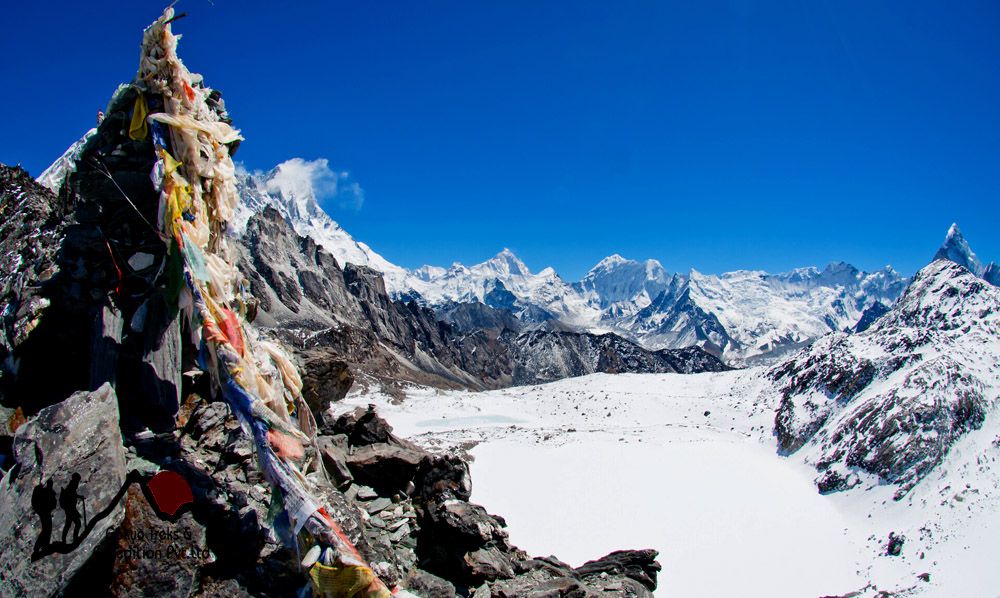
Expedition to one of the attractive mountains to the north of Khongma La, above the enchanting diamond shaped hanging Khumbu glacier, provides you marvelous views of many stunning Himalayas like:
Everest, 8848 m (29028 ft)
Makalu 8485 m (27838 ft)
Ama Dablam 6812 m (22349 ft)
Nuptse 7861 m (25790 ft)
Mount Cho-You 8201 m (26906 ft)
Lhotse 8516 m (27939 ft)
Pumori 7161 m (23497 ft)
Baruntse 7162 m (23497 ft)
Following the trek to the Everest Base Camp, Khongma Tse Peak Climbing provides you a great chance to explore the famous Sherpa culture of Khumbu region along with their own different language, customs, rituals, and norms.
As climbing to Khongma Tse Peak is technically challenging, previous experience and special equipment with good physical health are required.
What‘s Included
What‘s Excluded
Availability
Select your preferred departure date. Trip duration: 21 days
| Su | Mo | Tu | We | Th | Fr | Sa |
|---|---|---|---|---|---|---|
| Su | Mo | Tu | We | Th | Fr | Sa |
|---|---|---|---|---|---|---|
Number of Travellers
Select a date to book
Dates are subject to availability. Please contact us to confirm your preferred dates.
Itinerary
Altitude: 1,350m/4,428ft - Welcome to Kathmandu, the capital of Nepal! Our airport representatives welcomes you and transfers you to designated Hotel and give short brief and further details of the trip program. You can also meet the climbing guides and other staffs. Overnight stay in hotel.
We explore Kathmandu with sightseeing; sightseeing includes tour around Swayambhunath (monkey temple), Bauddhanath (Buddhastupa), Pashupatinath/Biggest Hindu Temple & Patan Durbar Square. While you are busy sightseeing, we prepare and double check every gears needed for the upcoming climb.
We take dramatic flight to Lukla, one of the best parts of the trip. Lukla is famous as the village of Sherpa’s. Upon arrival, we arrange loads and commence our journey further ahead. Journey passes through Dudh Koshi (“Milk River”), and finally after hours of trek we reach to Phakding. Here, you can take rest to acclimatize or visit local monastery nearby. Meals included: Breakfast, lunch and dinner with tea or coffee and finally an overnight stay in trekking lodge or tented camp.
From Phakding, we trek to Namchhe Bazaar. The trail is uphill with downhill combined of crossing rivers and bridges. This way, our trekking permits are checked and pass some famous suspension bridge as well. Namche Bazaar is the main administrative and trading centre for the Khumbu region. With the inclusive of magnificent forests of blue pine, fir, juniper and rhododendron as well as first view of Everest, it helps you to control the anticipation of the thrilling journey. Meals included: Breakfast, lunch and dinner with tea or coffee and finally an overnight stay in trekking lodge or tented camp.
The acclimatization is best done with the hike that is by hiking up to the valley of Bhote Koshi River (“River from Tibet”) because according to the experts of mountains, they say that staying idle for the acclimatization is not good for the body. Therefore, we remain active throughout the day. Meals included: Breakfast, lunch and dinner with tea or coffee and finally an overnight stay in trekking lodge or tented camp.
The trek from Namche to Tengboche is unbelievably stunning, Far below is the Dudh Koshi and Thamserku, Kantenga, Ama Dablam, Lhotse and Everest rises in front. Woods, Rhododendron Forest, Mani Walls, Chorten (Stupas), and suspension bridges across the rivers make this a lovely walk. Meals included: Breakfast, lunch and dinner with tea or coffee and finally an overnight stay in trekking lodge or tented camp.
From Dingboche we can enjoy the scenic views of Ama Dablam. Dingboche is the only place in the region where barley is produced. Tame pheasants are regularly seen in this area. Meals included: Breakfast, lunch and dinner with tea or coffee and finally an overnight stay in trekking lodge or tented camp.
Enjoy some time away from the trek to adjust to the higher altitude. Take it easy, enjoy the scenery, drink plenty of fluids, and prepare for the next day's hiking. We try to stay as active as possible to make sure, we are acclimatized properly. According to experts of Mountains, idleness while acclimatizing is not good for health. Meals included: Breakfast, lunch and dinner with tea or coffee and finally an overnight stay in trekking lodge or tented camp.
The ascent towards Everest Base Camp continues through Alpine meadows and summer yak pastures towards the end of the moraine of the Khumbu Glacier. At the moraine, there are stone monuments to six sherpas who died in avalanche, as well as monuments to other climbers. From here, it is a steep, tough climb towards the village of Gorak Shep. Continue on towards Lobuche, where the view is straight towards Nuptse and the sunset is truly magnificent. Meals included: Breakfast, lunch and dinner with tea or coffee and finally an overnight stay in trekking lodge or tented camp.
The higher altitude makes this day's trekking quite challenging. The Changri Glacier looms ahead as the trek heads for Gorakshep, a small, usually frozen, lake, by lunchtime. Relax and get adjusted to the altitude before the attempt to reach Everest Base Camp. Meals included: Breakfast, lunch and dinner with tea or coffee and finally an overnight stay in trekking lodge or tented camp.
Try to see a different view of Everest today, with a trek up to Kala Pattar. Known to have the best views of Everest, this is a challenging trek, but worth it on a clear day. Begin the descent from Kala Pattar, heading for Pheriche. This is not the most challenging of hikes, but the altitude can make the many uphill sections below Gorakshep seem tough. Stop to look around; the views are quite spectacular. Meals included: Breakfast, lunch and dinner with tea or coffee and finally an overnight stay in trekking lodge or tented camp.
We trek to Tyangboche for return journey. It takes around 4 hours to reach and you can see a famous monastery along with the splendid views of Ama Dablam, Lush green hills and river views once we reach Tyangboche. Meals included: Breakfast, lunch and dinner with tea or coffee and finally an overnight stay in trekking lodge or tented camp.
This is the day to return back Namchhe Bazaar and the path leads downhill to Phungitenga and we continue flat trail until Namchhe. Here you can explore The Everest National Park Museum which houses many mountaineering and Himalayan artifacts. Meals included: Breakfast, lunch and dinner with tea or coffee and finally an overnight stay in trekking lodge or tented camp.
Today’s trekking is a bit difficult and downhill. We cross several bridges from Khumbu region – Namchhe Bazaar and enter Sagarmatha National Park then reach Phakding. You get to see striking views of Everest, Ama Dablam and Kongde Ri. Meals included: Breakfast, lunch and dinner with tea or coffee and finally an overnight stay in trekking lodge or tented camp.
Following the route through Dudh Koshi River, we trek down to Lukla. This is a short hike taking 3 hours and also our last day of trekking. Meals included: Breakfast, lunch and dinner with tea or coffee and finally an overnight stay in trekking lodge or tented camp.
We take scenic flight back to Kathmandu. And maybe you can do shopping or buy souvenirs for your friends and family. Or better you can relax, have some massage and dine the best meals of the city in some of the best restaurants. Meals included: Breakfast, and finally an overnight stay in hotel. Attend the evening dinner and cultural program provided by the company.
After winding up a successful trip, our representative drops you off to the airport for your further journey. You are dropped to the airport around 3 hours before the departure so that there may not be any delays. Have a safe journey!
FAQs about
the trip
Nepal, as a tourist destination is good for all seasons, however, the best seasons for trekking to Kanchenjunga region are Spring (March – May) and Autumn (mid Sept. – mid Dec. ). Trekking in autumn season is noted for clear weather and excellent views of silvery mountains against blue sky. It gets colder towards the end of December. This trek can be done in any month except January and February.
Nepal, as a tourist destination is good for all seasons, however, the best seasons for trekking to Kanchenjunga region are Spring (March – May) and Autumn (mid Sept. – mid Dec. ). Trekking in autumn season is noted for clear weather and excellent views of silvery mountains against blue sky. It gets colder towards the end of December. This trek can be done in any month except January and February.
Nepal, as a tourist destination is good for all seasons, however, the best seasons for trekking to Kanchenjunga region are Spring (March – May) and Autumn (mid Sept. – mid Dec. ). Trekking in autumn season is noted for clear weather and excellent views of silvery mountains against blue sky. It gets colder towards the end of December. This trek can be done in any month except January and February.
Nepal, as a tourist destination is good for all seasons, however, the best seasons for trekking to Kanchenjunga region are Spring (March – May) and Autumn (mid Sept. – mid Dec. ). Trekking in autumn season is noted for clear weather and excellent views of silvery mountains against blue sky. It gets colder towards the end of December. This trek can be done in any month except January and February.
Nepal, as a tourist destination is good for all seasons, however, the best seasons for trekking to Kanchenjunga region are Spring (March – May) and Autumn (mid Sept. – mid Dec. ). Trekking in autumn season is noted for clear weather and excellent views of silvery mountains against blue sky. It gets colder towards the end of December. This trek can be done in any month except January and February.
Nepal, as a tourist destination is good for all seasons, however, the best seasons for trekking to Kanchenjunga region are Spring (March – May) and Autumn (mid Sept. – mid Dec. ). Trekking in autumn season is noted for clear weather and excellent views of silvery mountains against blue sky. It gets colder towards the end of December. This trek can be done in any month except January and February.
Nepal, as a tourist destination is good for all seasons, however, the best seasons for trekking to Kanchenjunga region are Spring (March – May) and Autumn (mid Sept. – mid Dec. ). Trekking in autumn season is noted for clear weather and excellent views of silvery mountains against blue sky. It gets colder towards the end of December. This trek can be done in any month except January and February.
Nepal, as a tourist destination is good for all seasons, however, the best seasons for trekking to Kanchenjunga region are Spring (March – May) and Autumn (mid Sept. – mid Dec. ). Trekking in autumn season is noted for clear weather and excellent views of silvery mountains against blue sky. It gets colder towards the end of December. This trek can be done in any month except January and February.
Nepal, as a tourist destination is good for all seasons, however, the best seasons for trekking to Kanchenjunga region are Spring (March – May) and Autumn (mid Sept. – mid Dec. ). Trekking in autumn season is noted for clear weather and excellent views of silvery mountains against blue sky. It gets colder towards the end of December. This trek can be done in any month except January and February.
Nepal, as a tourist destination is good for all seasons, however, the best seasons for trekking to Kanchenjunga region are Spring (March – May) and Autumn (mid Sept. – mid Dec. ). Trekking in autumn season is noted for clear weather and excellent views of silvery mountains against blue sky. It gets colder towards the end of December. This trek can be done in any month except January and February.
Nepal, as a tourist destination is good for all seasons, however, the best seasons for trekking to Kanchenjunga region are Spring (March – May) and Autumn (mid Sept. – mid Dec. ). Trekking in autumn season is noted for clear weather and excellent views of silvery mountains against blue sky. It gets colder towards the end of December. This trek can be done in any month except January and February.
Speak to an Expert
Suresh Bhandari
Leave a Reply
Your email address will not be published.