
Limi Valley Trekking
Overview
Nepal, as a tourist destination is good for all seasons, however, the best seasons for trekking to Kanchenjunga region are Spring (March – May) and Autumn (mid Sept. – mid Dec. ). Trekking in autumn season is noted for clear weather and excellent views of silvery mountains against blue sky. It gets colder towards the end of December. This trek can be done in any month except January and February.
The highlight of the Limi Valley Trekking -
Trek to Khaptad National Park provides you the best panoramic views of Mt. Api and Mt. Saipal ranges. Along with this, you can also explore Khaptad National park established in 1984. Next containing many preserved endangered species like musk deer, barking deer, leopard, bear. About 224 species of medicinal herbs and 270 species of birds in the beautiful subtropical forest of bamboo.
Khaptad lake, “Khaptad Baba” museum, Khaptad Danda, where Khaptad Baba lived for many years. Khaptad Baba Ashram where many Hindu pilgrims come to worship lord “Shiva”.
Trip Summarize
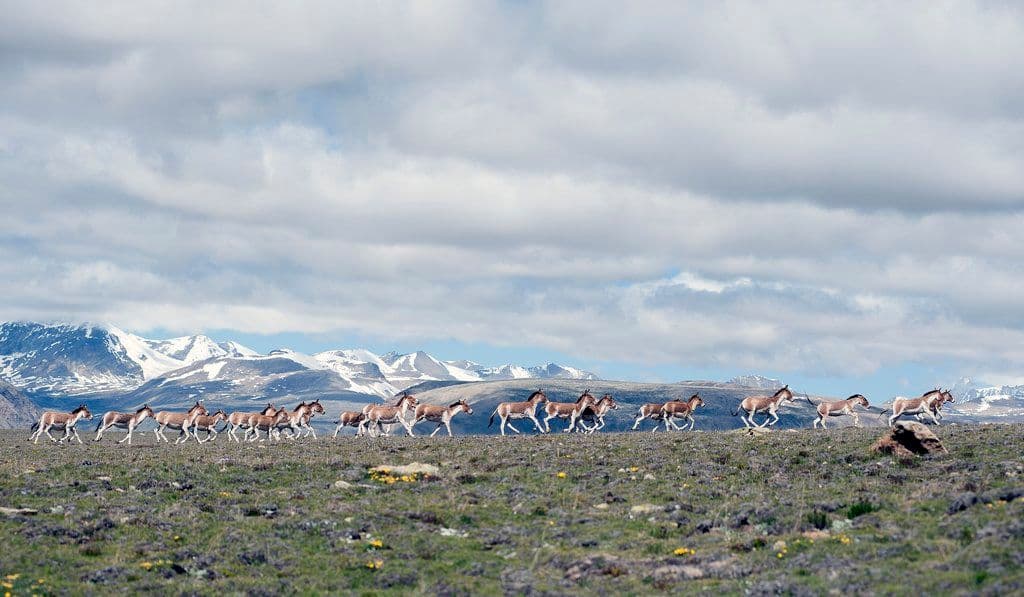
Limi valley trekking is a great choice for travelers who want to experience the Tibetan culture. Even explore the remote destination which is not affected by modernization of this area. In addition some of the houses oldest villages of Nepal with amazing Monasteries and diverse culture. Mostly the region is influenced by Buddhist Religion and the settlers still wear the ancient Tibetan dress. To visit this photogenic, wide and wonderful village; Government of Nepal issues the limited number of permits each year. So, you should book earlier. Even though trek offers amazing views of mountains like Saipal (7030m), Kailash, Kanjiroba, Api, Kanti, Byas and Rishi cliff. The trail is popular for giving on the opportunity for trekkers to see rare floras and faunas. You can get to see a black bear, snow leopard, blue sheep, wild yaks, wolves, marmots, wild horses, barking deer, musk deer.
Sunrise Adventure trek team will make your Panch Pokhari trek great. During Limi Valley trekking you can explore the local culture of this region with their different cultures & living lifestyle. Our trek starts from Kathmandu with a flight to Nepalgunj after necessary preparation. Even though from Nepalgunj, we take flight with beautiful scenery to Simikot and our trek officially begins. In Simikot, we experience first cold and crispy air of high altitude. Then, our trek takes us to Dharapuri through the forest of pine as we go down the trail of Karnali Riverside. Although we trek to Kermi where two famous monasteries lie – Laikyo Gompa and Lhundrup Choeling Gompa. As the trek gradually progresses, we go through the green vegetation of barley and buckwheat to reach Yalbang. Similarly, Yalbang is very popular for Namkha Khyung Dzong Monastery with around 130 monks residing. Gradually, our trek heads to the deep gorge with Karnali River far below us and again we get to see the different monastery. We have to cross Nara La Pass (4620m) and then trek to Manepeme.
Likewise, we trek to Til – a famous village with impressive glaciers towering over it and villages wearing traditional Tibetan costumes. Most of the villages completely blend with the environment and as we trek to Halji, we can see Rinchenling Gompa which is built in the 14th century. It is time to head to Jang from Limi River and we feel serenity to reach the secluded place on earth where the modernization still hasn’t touched. Consequently, it is time for return back from Shinjungma and we cross Nyalu La Pass (4940m) to reach Kermi. Thus we return back along the same trail. Upon reaching the civilization of Kathmandu, you take rest and in the evening enjoy the cultural dinner.
What‘s Included
What‘s Excluded
Availability
Select your preferred departure date. Trip duration: 20 days
| Su | Mo | Tu | We | Th | Fr | Sa |
|---|---|---|---|---|---|---|
| Su | Mo | Tu | We | Th | Fr | Sa |
|---|---|---|---|---|---|---|
Number of Travellers
Select a date to book
Dates are subject to availability. Please contact us to confirm your preferred dates.
Itinerary
Our airport representative picks you up from airport and transfers you to hotel for further briefing about the upcoming trip. In the evening, a small meeting shall be held to discuss and prepare for the trek. And after meeting you can roam around Thamel to get familiar with environment and location.
After half day sightseeing around Kathmandu. We visit our office and meet guides as well as other staffs. We then gather to discuss about the upcoming trip then make ourselves ready by checking necessary documents and equipments.
Today, we fly to Nepalgunj – Nepalgunj is located in South Western Nepal, in Terai region near to Indian Border. It is famous for Bageshowri Temple of Hindus and richshaw/cycle ride. The settlement somewhat resembles India and we reach horse cart full of colorful people after leaving the busy Bazaar. Meals included: Breakfast, lunch and dinner and finally an overnight stay in trekking lodge.
We cross a little pass at 3150 meter and then take steep downhill to reach Majgaon. Along the way you can see people with traditional dress with heavy loads of goods taking uphill. From Majgaon, we trek down and follow the Trail of Karnali River at right side. This place is also called flat and we can see stunning landscape and greenery here. Meals included: Breakfast, lunch and dinner and finally an overnight stay in trekking lodge.
Today, we trail along the Karnali River and find our way through the high rocky slopes. The trail passes thought the vegetation of barley, buckwheat, rice and potatoes. On reaching Kermi Village, you can take rest at one of two natural hot springs. We can visit Monastery in the village. There are two of it – Laikyo Gompa, a few hundred years old and about 45 minutes far from Kermi another is Lhundrup Choeling Gompa – less half a century and about 30 minutes far from village. Meals included: Breakfast, lunch and dinner and finally an overnight stay in trekking lodge.
We pass alongside fields of barley and buckwheat. Two hours of trek takes us to big suspension bridge over Sali River and we continue our trek though beautiful pine forest. Along the trek, we meet caravans of mules & dzopa and villages of Simikot. Upon reaching Yalbang, we can go to the biggest Monastery of the region – Namkha Khyung Dzong Monastery. The monastery is occupied by 130 monks and belongs to Nyingmapa linsage also the oldest Buddhist lineage. Meals included: Breakfast, lunch and dinner and finally an overnight stay in trekking lodge.
We trek high above the Karnali River and pass little villages of Yangar. We walk pass the carved rocks and cross Karnali River with the help of big wooden suspension bridge. Along the trek, we can spot small teahouses offering tea, noodle soup, etc and finally after 4 hours of trek , we arrive Muchu. The village of Tumkot is just 1 hour from here. There is a famous Dhungkar Choezom Monastery in this village which is just 25 minute of walk from there and caretaker of the Monastery will be explaining us about the monastery. Meals included: Breakfast, lunch and dinner and finally an overnight stay in trekking lodge.
We trek slowly as the landscapes changes and the trail gets dirtier. The road is unfinished and we cross a small village Pani Palwang with tea houses and is a choice of lunch for trekkers. After 1 and half hour of walk takes us to wither Yari or Thado Dhunga. Meals included: Breakfast, lunch and dinner and finally an overnight stay in trekking lodge.
We have to crss Nara La Pass (4620m) – the walk is long and tiring but worth a try. The trail gets more barren as we climb and we meet big caravans of mules, yaks or dzopas. We pass few teahouses at Thado Dhunga and then reach a place with big tents. From here, we can see Nara La pass at distance. The trek down to Hilsa is either a long dirty road or a steep shortcut down to the village. Meals included: Breakfast, lunch and dinner and finally an overnight stay in trekking lodge.
We cross a big iron bridge and start our trek. We traverse though small difficult trail over a slope till it connects with large trail high on the slope. The trail houses few steep ups and downs with bare, steep and amazing colorful rocks that connects with water sources on the site. Meals included: Breakfast, lunch and dinner and finally an overnight stay in trekking lodge.
We trek though the high and steep rocks for about 2 hours. And, we have to choose between a small path which stays level for a while or a larger path that goes steeper as we climb. Both the trail has greener sides along the way and is influenced by Buddhism. The village Til has green environment with birches and fields of barley. We can see two beautiful mountains towering over the village and as we enter the village, we can experience the culture that is greatly influenced by Tibet. The people still wear the Tibetan dress and we can see amazing culture. Meals included: Breakfast, lunch and dinner and finally an overnight stay in trekking lodge.
The trek to Hilji is easy and flat. The trail offers mountain goats and blue sheep, you can encounter snow leopard if you are lucky. The village is completely blended with the environment and after entering through a passing gate Chorten, we reach the village. The village is famous for Rinchenling Gompa Monastery built in 14th century. We have statue of Sakyamuni Buddha, different masks and costumes. Meals included: Breakfast, lunch and dinner and finally an overnight stay in trekking lodge.
The trek is short lived; we follow Limi River and reach Jang. The village is untouched with Tibetan influence as the location is secluded which is far from the modern developed world. Jang has a beautiful Gompa which you can enter for free but you have to pay extra if you want to make pictures. Meals included: Breakfast, lunch and dinner and finally an overnight stay in trekking lodge.
The trail begins to modernize as we leave the last village of Limi valley. We walk though impressive and completely isolated landscapes. The trail is little harder and we have to cross few rivers. We slowly go uphill to Talund for camping. Meals included: Breakfast, lunch and dinner and finally an overnight stay in trekking lodge.
Today, we climb the Nyalu La pass (4940m), it is spectacular as well as tough but the reward is the amazing 360 degree views of Tibet and Humla. If the sky is clear you can see Mount Kailash (6713m), Mount Saipal (7031m) and other mountains. The trail may have snow and ice and it makes the climb even more challenging. From the pass, the trail is steep down to Lake Selma Tso (4630m) and the trail changes dramatically. You can see trees with beautiful views, slopes full of trees and Mount Saipal a the horizon. Meals included: Breakfast, lunch and dinner and finally an overnight stay in trekking lodge.
Our altitude decreses by 1000 meters and reach Kermi. The return trip is same from here and the trail is rocky with interesting landscapes and beautiful curves of Karnali River. Meals included: Breakfast, lunch and dinner and finally an overnight stay in trekking lodge.
We pass the amazing vegetation and relive the old moment with mules and dzopas along the way. This is the last day of trek and the trail is same as the beginning but we get to experience the moment twice – double the fun. Meals included: Breakfast, lunch and dinner and finally an overnight stay in trekking lodge.
We take amazing flight to Nepalgunj and take flight back to Kathmandu. Bothe the flight offers amazing landscapes and dramatic change of village and city. Meals included: Breakfast, and finally an overnight stay in hotel. Attend the evening dinner and cultural program provided by the company.
After successful completion of the trip, our representative drops you to the airport for your journey home. You are dropped off 3 hours earlier so that there is no any delay in flight. Or you can join another adventure and explore hidden gems of Nepal. Till then, have a safe journey to Home!
FAQs about
the trip
Nepal, as a tourist destination is good for all seasons, however, the best seasons for trekking to Kanchenjunga region are Spring (March – May) and Autumn (mid Sept. – mid Dec. ). Trekking in autumn season is noted for clear weather and excellent views of silvery mountains against blue sky. It gets colder towards the end of December. This trek can be done in any month except January and February.
Nepal, as a tourist destination is good for all seasons, however, the best seasons for trekking to Kanchenjunga region are Spring (March – May) and Autumn (mid Sept. – mid Dec. ). Trekking in autumn season is noted for clear weather and excellent views of silvery mountains against blue sky. It gets colder towards the end of December. This trek can be done in any month except January and February.
Nepal, as a tourist destination is good for all seasons, however, the best seasons for trekking to Kanchenjunga region are Spring (March – May) and Autumn (mid Sept. – mid Dec. ). Trekking in autumn season is noted for clear weather and excellent views of silvery mountains against blue sky. It gets colder towards the end of December. This trek can be done in any month except January and February.
Nepal, as a tourist destination is good for all seasons, however, the best seasons for trekking to Kanchenjunga region are Spring (March – May) and Autumn (mid Sept. – mid Dec. ). Trekking in autumn season is noted for clear weather and excellent views of silvery mountains against blue sky. It gets colder towards the end of December. This trek can be done in any month except January and February.
Nepal, as a tourist destination is good for all seasons, however, the best seasons for trekking to Kanchenjunga region are Spring (March – May) and Autumn (mid Sept. – mid Dec. ). Trekking in autumn season is noted for clear weather and excellent views of silvery mountains against blue sky. It gets colder towards the end of December. This trek can be done in any month except January and February.
Nepal, as a tourist destination is good for all seasons, however, the best seasons for trekking to Kanchenjunga region are Spring (March – May) and Autumn (mid Sept. – mid Dec. ). Trekking in autumn season is noted for clear weather and excellent views of silvery mountains against blue sky. It gets colder towards the end of December. This trek can be done in any month except January and February.
Nepal, as a tourist destination is good for all seasons, however, the best seasons for trekking to Kanchenjunga region are Spring (March – May) and Autumn (mid Sept. – mid Dec. ). Trekking in autumn season is noted for clear weather and excellent views of silvery mountains against blue sky. It gets colder towards the end of December. This trek can be done in any month except January and February.
Nepal, as a tourist destination is good for all seasons, however, the best seasons for trekking to Kanchenjunga region are Spring (March – May) and Autumn (mid Sept. – mid Dec. ). Trekking in autumn season is noted for clear weather and excellent views of silvery mountains against blue sky. It gets colder towards the end of December. This trek can be done in any month except January and February.
Nepal, as a tourist destination is good for all seasons, however, the best seasons for trekking to Kanchenjunga region are Spring (March – May) and Autumn (mid Sept. – mid Dec. ). Trekking in autumn season is noted for clear weather and excellent views of silvery mountains against blue sky. It gets colder towards the end of December. This trek can be done in any month except January and February.
Nepal, as a tourist destination is good for all seasons, however, the best seasons for trekking to Kanchenjunga region are Spring (March – May) and Autumn (mid Sept. – mid Dec. ). Trekking in autumn season is noted for clear weather and excellent views of silvery mountains against blue sky. It gets colder towards the end of December. This trek can be done in any month except January and February.
Nepal, as a tourist destination is good for all seasons, however, the best seasons for trekking to Kanchenjunga region are Spring (March – May) and Autumn (mid Sept. – mid Dec. ). Trekking in autumn season is noted for clear weather and excellent views of silvery mountains against blue sky. It gets colder towards the end of December. This trek can be done in any month except January and February.
Speak to an Expert
Suresh Bhandari
Leave a Reply
Your email address will not be published.