Badimalika Trekking
Trip at a glance
- Duration
- 16 days
- Difficulty
- Easy
- Best season
- September- December and March - May
- Accommodation
- Hotel
- Group size
- 1 – 18 people
- Tour type
- Small Group Tour
- Meals included
- Breakfast, Lunch, Dinner
- Max altitude
- 1,400 m
- Transportation
- Flight, Bus, Tourist & private vehicle
Overview
Highlight of the Badimalika Trek—
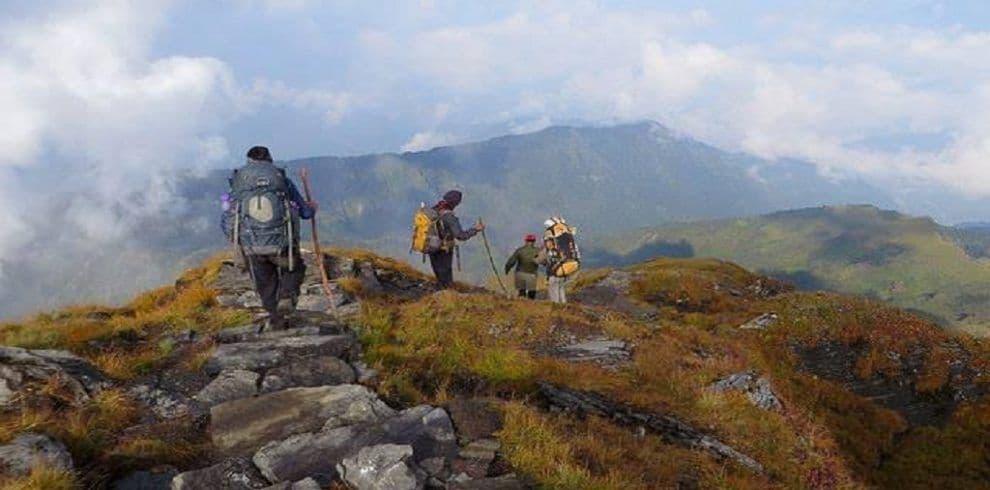
Badimalika Trekking takes you to the far western region of Nepal. This trail provides panoramic views of beautiful and stunning Mt. Api Himal and the Mt. Saipal ranges. This trek leads you to the trail of Khaptad Valley, where you can get the great chance to explore Khaptad National Park, established in 1984.
Preserves much rare wildlife like musk deer, barking deer, leopard, bear etc. along with 270 species of beautiful birds in the dense subtropical forests of bamboo. Enchanting rhododendron flowers, great wilderness, Khaptad lake, Khaptad Baba museum and Khaptad Danda where Khaptad Baba lived for many years.
Trip Summarize—
Badimalika Trekking or Far West Heritage trek is an outstanding trail. This trek is designed to give the full preview of the hidden and most important natural beauty of Far Western region of Nepal. The main attraction is the Badimalika Temple of Bajura district, which is one of the most prestigious pilgrimage sites for Nepalese and tourists. However, this temple houses devotee Bhagawati and during the Malika Chaturdasi Festival (held during the full moon of the month of August). This festival is held annually; you can see thousands of worshippers in line waiting to get a glance of the Goddess.
Moreover, the trekking trail to Khaptad offers you the great chance to observe Tribeni river, ( the holy river) for Hindu pilgrimages. One of the best and main attractions of this trek, Badimalika temple in Bajura district. The major annual festival “Malika Chaturdashi” is celebrated during a full moon in the month of August by many Hindu pilgrimages.
Likewise, this trek also covers the destination – Khaptad with an area of 225 sq. km, which is home to 224 species of medicinal herbs, species of birds, unique wilderness 11 percent of flowers available in Nepal. The Khaptad National park was established in 1984 and preserves some of the rare species. Other highlights of the trek include “Khaptad Baba”, Museum, Khaptad Danda, Patan and a tower there. Khaptad Baba lived here for many years; meditating and sharing his philosophy with the people. And you can see his ashram spread within 5 KM
of a wide area.
Khaptad trek
Khaptad trek is unique in the sense that butchering, alcohol, and tobacco are completely banned. You can see Khaptad Lake and a spectacular view of API and Saipal Himal range. Sunrise Adventure team will make your trek awesome.
We initiate our trip from Kathmandu by taking a direct flight to Dhangadhi and drive to Dadeldhura – a district with historical places, unique culture, and traditions. We trek to Jadanga with beautiful lodges and restaurants. Following the route, we reach Budha Krodh, where you can see Buffalo sheds.
Similarly, trail gradually leads us to Bhitachhina and we start to gain major altitude, so we take extra caution. Although, next day, we trek to Tribeni – a famous Hindu pilgrimage river. Finally, the very next day, we reach Badimalika Temple. If we want extra fun, we can come here in August because special festivity is done in this month (especially full moon day). Now it is all the way to Dhalpuri Pokhari to Bhansainkharka to Laskechaur and to Khaptad National Park. We explore the national park and trek to Siliguri. From Siliguri, we take an early flight to Kathmandu.
What’s included
A clear breakdown of what your trip price covers.
Included
- Airport pick up and departure and all ground transportation during trips.
- Hotel in Kathmandu two or three star category in twin sharing bed with breakfast basis
- Kathmandu sightseeing with city tour guide
- Accommodation in lodge and full board meals during the trekking
- Govt. trained guide and necessary no.of porters with their insurance, salary and meals
- All fees for TIMS card and Trekking Permit
- Domestic Flight according to Itinerary
- Sleeping bag, Down jacket & necessary equipment's during the trek
- One cultural show and dinner program
Not included
- International Flight ticket & your personal expenses
- Major meals in cities cold & alcoholic drinks
- Extra shower, battery re-charge, laundry charge etc.
- Tips to guide and porter and your insurance
Availability
Pick a departure date and we’ll fill in the rest of your 16-day trip automatically.
Select a date to enquire
Choose any available start date on the calendar.
Dates are subject to availability. Please contact us to confirm your preferred dates.
Itinerary
16 days, planned step by step. Tap a day to see the details.
Welcome to Nepal – the land of Everest! Our airport representatives pick you up from airport and transfer you to hotel for further briefing about the upcoming trip. In the evening, a small meeting shall be held to discuss and prepare for the trek. And after meeting, you can roam around Thamel to get familiar with environment and location.
We do sightseeing around Kathmandu along with the preparation for climbing. Sightseeing includes tour around Swayambhunath (monkey temple), Bauddhanath (Buddhastupa), Pashupatinath/Biggest Hindu Temple & Patan Durbar Square. We pack all the necessary equipments and double check all the documents.
We take flight to Dhangadhi and four hours of drive takes you to Dadeldhura. It is a district with unique cultures, traditions and historical places. The area is surrounded with hills and you can see breathtaking views of mountains like Api and Saipal. Meals included: Breakfast, lunch and dinner and finally an overnight stay in trekking lodge.
After a early breakfast and warm greetings from the sunrise, we take drive to Sanfe – a beautiful town with hotels and restaurants in Achham district of Nepal. The drive offers us great views of Nepalese mountain peaks. From Sanfe, we take short drive and reach Jadanga. Meals included: Breakfast, lunch and dinner and finally an overnight stay in trekking lodge.
We begin our official trek today. At the beginning, we feel little uncomfortable, but after hour or so, we begin to enjoy the trek. We walk uphill through beautiful landscape and arrive at the last settlement of the trail – Budha Krodh. Buffalo sheds is the thing you will see beyond this place. Meals included: Breakfast, lunch and dinner and finally an overnight stay in trekking lodge.
After morning breakfast, we trek through dense forest and gain altitude. The trail passes forest of rhododendron, pine and oak. We first reach Buffalo Kharka for the lunch and continue our trek. We take extra caution (because of rapid altitude gain) as we climb and pass grasslands to arrive at Bhitachhina to call it a day. Meals included: Breakfast, lunch and dinner and finally an overnight stay in trekking lodge.
We walk uphill via big grassland and cross waterfall as well as murmuring water streams. We reach Tribeni – a place of religious significance. During big festivals you can see thousands of tents and this place gets lot crowded. Mostly in Janai Purnima around 15000 pilgrims visit the site to worship this river. Meals included: Breakfast, lunch and dinner and finally an overnight stay in trekking lodge.
The best way to preserve the culture and experience true culture of this place is to take bathe in the nearby river and head to the temple. But you can go straight to the temple if you want. We visit the temple and camp there. From here you can see mountains shining if the weather is clean. Meals included: Breakfast, lunch and dinner and finally an overnight stay in trekking lodge.
We go through Dharmaghar and to Dhalpuri Pokhari. The trail is pretty easy and you will see small forest as we trek to Dhalpuri Pokhari (Lake). Three hours from here, you can go to famous Natyeshwori Temple Meals included: Breakfast, lunch and dinner and finally an overnight stay in trekking lodge.
Today is going to be a long walk to Bhansankharka. We pass Lamagada and Mourya and reach there for overnight. The trek is strenuous and obviously amazing green forest and stunning landscape surrounds us. Meals included: Breakfast, lunch and dinner and finally an overnight stay in trekking lodge.
We reach to Laskechaur passing through amazing landscape and this is a beautiful trek as compared to yesterday’s long and strenuous journey. Meals included: Breakfast, lunch and dinner and finally an overnight stay in trekking lodge.
We pass through dense forest of the National park. We walk across grasslands for few hours to reach headquarter of Khaptad National park. And visit khaptad’s popular place like Baba’s Ashram and Triveni. “Khaptad Baba” is very popular and is known as great master having religious and social philosophy in the society. Meals included: Breakfast, lunch and dinner and finally an overnight stay in trekking lodge.
We explore Khaptad National Park for today. We visit Museum, Khaptad Danda, Patan and Tower. Khaptad National Park was established in 1984 and houses huge variety of vegetation. The park is rich with floras and faunas and preserves 224 species of medicinal herbs, 270 species of birds, different animals and it is estimated to house 11 percent of flowers available in Nepal.
We trek to Silgadhi – a municipality and districts headquarter of Doti. This is the most developed city in the Doti district. You can get major services & facilities here. There is airpoprt in Dipayal of Silgadhi. Meals included: Breakfast, lunch and dinner and finally an overnight stay in trekking lodge.
We take an hour long flight to Kathmandu. The flight is amazing with valleys below us and we get opportunity to see mountains in far distance. After the arrival, you can do shopping or take rest in the hotel. In the evening, small dinner program is held. Meals included: Breakfast, and finally an overnight stay in hotel. Attend the evening dinner and cultural program provided by the company.
Trip to the Himalayas concludes. Our airport representative drops you off to the airport approximately 3 hours prior to your scheduled flight. Along the way to your home, you can relive the moment shared with Himalaya and Himalayans.
Frequently asked questions
Quick answers about this trip. Still unsure? Our team is happy to help.
Nepal, as a tourist destination is good for all seasons, however, the best seasons for trekking to Kanchenjunga region are Spring (March – May) and Autumn (mid Sept. – mid Dec. ). Trekking in autumn season is noted for clear weather and excellent views of silvery mountains against blue sky. It gets colder towards the end of December. This trek can be done in any month except January and February.
Nepal, as a tourist destination is good for all seasons, however, the best seasons for trekking to Kanchenjunga region are Spring (March – May) and Autumn (mid Sept. – mid Dec. ). Trekking in autumn season is noted for clear weather and excellent views of silvery mountains against blue sky. It gets colder towards the end of December. This trek can be done in any month except January and February.
Nepal, as a tourist destination is good for all seasons, however, the best seasons for trekking to Kanchenjunga region are Spring (March – May) and Autumn (mid Sept. – mid Dec. ). Trekking in autumn season is noted for clear weather and excellent views of silvery mountains against blue sky. It gets colder towards the end of December. This trek can be done in any month except January and February.
Nepal, as a tourist destination is good for all seasons, however, the best seasons for trekking to Kanchenjunga region are Spring (March – May) and Autumn (mid Sept. – mid Dec. ). Trekking in autumn season is noted for clear weather and excellent views of silvery mountains against blue sky. It gets colder towards the end of December. This trek can be done in any month except January and February.
Nepal, as a tourist destination is good for all seasons, however, the best seasons for trekking to Kanchenjunga region are Spring (March – May) and Autumn (mid Sept. – mid Dec. ). Trekking in autumn season is noted for clear weather and excellent views of silvery mountains against blue sky. It gets colder towards the end of December. This trek can be done in any month except January and February.
Nepal, as a tourist destination is good for all seasons, however, the best seasons for trekking to Kanchenjunga region are Spring (March – May) and Autumn (mid Sept. – mid Dec. ). Trekking in autumn season is noted for clear weather and excellent views of silvery mountains against blue sky. It gets colder towards the end of December. This trek can be done in any month except January and February.
Nepal, as a tourist destination is good for all seasons, however, the best seasons for trekking to Kanchenjunga region are Spring (March – May) and Autumn (mid Sept. – mid Dec. ). Trekking in autumn season is noted for clear weather and excellent views of silvery mountains against blue sky. It gets colder towards the end of December. This trek can be done in any month except January and February.
Nepal, as a tourist destination is good for all seasons, however, the best seasons for trekking to Kanchenjunga region are Spring (March – May) and Autumn (mid Sept. – mid Dec. ). Trekking in autumn season is noted for clear weather and excellent views of silvery mountains against blue sky. It gets colder towards the end of December. This trek can be done in any month except January and February.
Nepal, as a tourist destination is good for all seasons, however, the best seasons for trekking to Kanchenjunga region are Spring (March – May) and Autumn (mid Sept. – mid Dec. ). Trekking in autumn season is noted for clear weather and excellent views of silvery mountains against blue sky. It gets colder towards the end of December. This trek can be done in any month except January and February.
Nepal, as a tourist destination is good for all seasons, however, the best seasons for trekking to Kanchenjunga region are Spring (March – May) and Autumn (mid Sept. – mid Dec. ). Trekking in autumn season is noted for clear weather and excellent views of silvery mountains against blue sky. It gets colder towards the end of December. This trek can be done in any month except January and February.
Nepal, as a tourist destination is good for all seasons, however, the best seasons for trekking to Kanchenjunga region are Spring (March – May) and Autumn (mid Sept. – mid Dec. ). Trekking in autumn season is noted for clear weather and excellent views of silvery mountains against blue sky. It gets colder towards the end of December. This trek can be done in any month except January and February.
Leave a review
Travelled with us? Share your experience. Your email address will not be published.
Planning a trip to Nepal?
Tell us what you have in mind and we’ll tailor a trip around you.