Kathmandu, Pokhara, Muktinath Tour
Trip at a glance
- Duration
- 8 days
- Difficulty
- Easy
- Best season
- September- December and March - May
- Accommodation
- Hotel
- Group size
- 1 – 18 people
- Tour type
- Private Tour
- Meals included
- Breakfast, Lunch, Dinner included
- Max altitude
- 3,800 m
- Transportation
- Flight, Bus, Tourist & private vehicle
Overview
Trip Highlight -
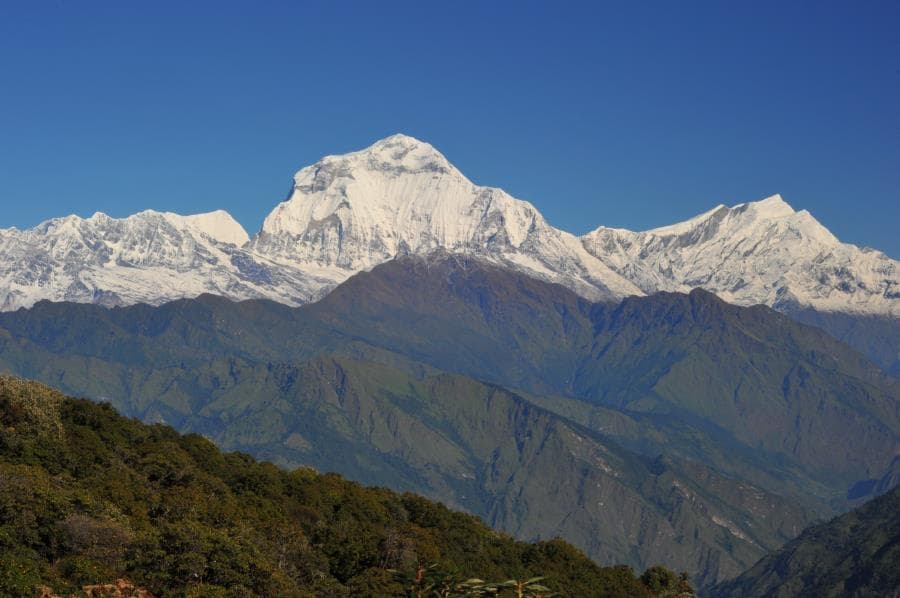
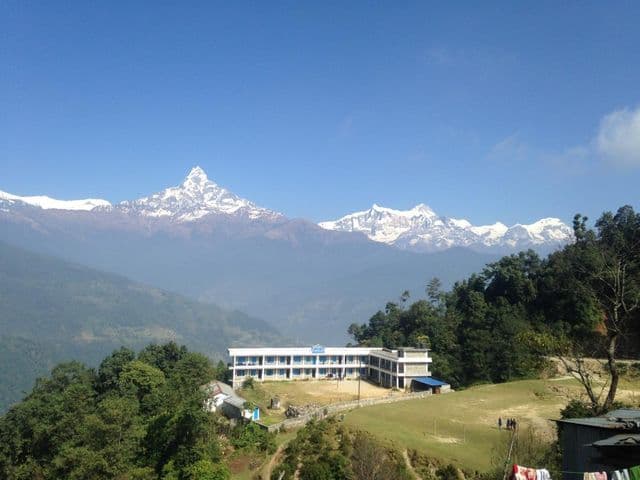
Exploring the ancient culture, monuments listed under the world heritage sites. Visit like Kathmandu Durbar Square, Pashupatinath Temple, Boudhanath stupa, Patan Darbar Square. Kathmandu, Pokhara, Muktinath Tour provides the best views of Himalayas: Annapurna, Manaslu, Dhaulagiri. Cultures and people many more in the beautiful city of the lake, Pokhara with religious relief of Muktinath Temple, Jomsom.
Trip Summary
Tour to the Pokhara from Kathmandu and then to the Muktinath is best for the people. Explore the ancient architecture along with scenic beauty and religious norms. Kathmandu, a highly populated central part of the country keeps a long history in itself. You can visit many cultural and historical places and temples as it is also known as the “City of temples”. You can observe ancient world heritage sites like Boudhanath Stupa, Pashupatinath Temple. Kathmandu Darbar Square, Patan Darbar Square so on.
Similarly, this tour provides an opportunity to analyze the Newari culture of this region. However, Pokhara, one of the naturally blessed regions situated 200 km far from Kathmandu. Annapurna region has many beautiful and adventures natural sites. You can visit the famous lakes and caves here, lakes like Fewa, Rupa, Begnas and caves like Bat, Mahendra, Gupteshwor. Enjoy beautiful views of sunset on the hill station called “World Peace Pagoda” and “Sarangkot”. Stunning Himalayas: Annapurna I, Dhaulagiri, Langtang to the north of this region are much fascinating.
Visiting Pokhara, Muktinath
Along with this, you can see the mirror image of Mt. Macchapuchrey on the lake Fewa. Visiting Pokhara and Muktinath also provides adventure and religious sites, including bungee jumping and paragliding, despite mountain bike individuals enjoying nature. Having much more beautiful and marvelous natural beauty in itself.
Therefore, Pokhara is the main destination of foreigners each year. Muktinath is one of the main destinations of Hindu and Buddhist pilgrimages. However, Muktinath is also known as the “Temple of Salvation" and is situated at an altitude of 3710 meters. The region has its specialty for both Hindu and Buddhist people.
Thus Hindus consider it as “Mukticchetra," whereas Buddhists consider it as a place where Guru Rinpoche (Padmasambhava) mediated while on his way to Tibet. You can explore the temple of the “God Vishnu” built-in “Pagoda” style. Visit 108 water sprouts located in the backyard of the temple where pilgrimages take a ritual bath. The 105th water sprout is Muktinath among the 108 Divya Desham. Nearby is a temple called “Jwala Mai”, an eternal blue flame keeps burning in the temple.
The temple is located at the foot of the Himalayas. So, you can get the opportunity to observe the stunning Himalayas. “Shaligrams” found in Kaligandaki river is considered the remains of lord “Vishnu” and are worshipped by “Vaishnavas”. Tour to Muktinath is best for getting religious relief and finally back to Kathmandu.
What’s included
A clear breakdown of what your trip price covers.
Included
- Airport pick up and departure during trip
- All ground transportation in private A/C car, van, tourist deluxe bus
- Three star level hotel in the city in twin sharing bed with breakfast basis
- Kathmandu sightseeing with professional city tour guide
- Whole accommodations during trip
- Meals during trips as mentioned in the itinerary (Breakfast, Lunch, Dinner)
- First aid medicine for guests and whole team member
- One cultural show and dinner program in Kathmandu
- All our necessary government and local taxes
Not included
- Your extra meals personal expenses like tea /coffee, alcohol & cold drinks
- Tour entrance fees in the city
- Your international air ticket
- Helicopter in case emergency rescue(if recommend)
- Tips to the guide
Availability
Pick a departure date and we’ll fill in the rest of your 8-day trip automatically.
Select a date to enquire
Choose any available start date on the calendar.
Dates are subject to availability. Please contact us to confirm your preferred dates.
Itinerary
8 days, planned step by step. Tap a day to see the details.
At Tribhuvan International Airport (TIA), Kathmandu and outside airport our representative will pick up you showing with your name card and transfer to hotel and shortly briefing about program. Overnight stay is at the hotel.
Visit Pashupatinath temple, BouddhanathStupa, Patan Durbar square and Swayambunathstupa and overnight stay in hotel.
Early in the morning we drive to Manakamana temple through a 10 minutes cable car ride for experiencing the true divinity in Manakamana Temple. The Goddess Manakamana Devi is worshiped with complete rituals. After lunch in the hotel, we drive along the Trishuli River to Pokhara
In Pokhara, we visit to BindhyaBasini Temple north of Pokhara which was founded in 17th century and sacred to Hindu Goddess Durga, visit Gupteshawor cave, DevisFalls, Hindu Temple, the two - tiered Pagoda - style Varahi Temple that stands on a small island in the Phewa Lake.
We fly to Jomsom and take a jeep adventure drive to Muktinath, situated at a height of 3800m. Our overnight stay is in Jomsom or Muktinath.
Early morning after praying in the temples and religious shrines at Muktinath, we drive back to Jomsom and take a 15 minutes flight to Pokhara. In the evening you are free to explore around and enjoy yourself at leisure.
After breakfast take 25 minutes of scenic flight back to Kathmandu or 6 hours drive and in the evening join dinner program in Kathmandu.
If you stay more longer, you can consult us for short tours such aa drive at National parks, rafting, mountain biking, Tibet, India or Bhutan tours etc
Frequently asked questions
Quick answers about this trip. Still unsure? Our team is happy to help.
Touring in Nepal, can be done all year. But the best season are Spring (March – May) and Autumn (mid Sept. – mid Dec.). Trekking in autumn season is noted for clear weather with blue sky. It gets colder towards the end of December. This trek can be done in any month with less focus on January and February as this month’s are colder than usual.
Touring in Nepal, can be done all year. But the best season are Spring (March – May) and Autumn (mid Sept. – mid Dec.). Trekking in autumn season is noted for clear weather with blue sky. It gets colder towards the end of December. This trek can be done in any month with less focus on January and February as this month’s are colder than usual.
Touring in Nepal, can be done all year. But the best season are Spring (March – May) and Autumn (mid Sept. – mid Dec.). Trekking in autumn season is noted for clear weather with blue sky. It gets colder towards the end of December. This trek can be done in any month with less focus on January and February as this month’s are colder than usual.
Touring in Nepal, can be done all year. But the best season are Spring (March – May) and Autumn (mid Sept. – mid Dec.). Trekking in autumn season is noted for clear weather with blue sky. It gets colder towards the end of December. This trek can be done in any month with less focus on January and February as this month’s are colder than usual.
Touring in Nepal, can be done all year. But the best season are Spring (March – May) and Autumn (mid Sept. – mid Dec.). Trekking in autumn season is noted for clear weather with blue sky. It gets colder towards the end of December. This trek can be done in any month with less focus on January and February as this month’s are colder than usual.
Touring in Nepal, can be done all year. But the best season are Spring (March – May) and Autumn (mid Sept. – mid Dec.). Trekking in autumn season is noted for clear weather with blue sky. It gets colder towards the end of December. This trek can be done in any month with less focus on January and February as this month’s are colder than usual.
Touring in Nepal, can be done all year. But the best season are Spring (March – May) and Autumn (mid Sept. – mid Dec.). Trekking in autumn season is noted for clear weather with blue sky. It gets colder towards the end of December. This trek can be done in any month with less focus on January and February as this month’s are colder than usual.
Touring in Nepal, can be done all year. But the best season are Spring (March – May) and Autumn (mid Sept. – mid Dec.). Trekking in autumn season is noted for clear weather with blue sky. It gets colder towards the end of December. This trek can be done in any month with less focus on January and February as this month’s are colder than usual.
Touring in Nepal, can be done all year. But the best season are Spring (March – May) and Autumn (mid Sept. – mid Dec.). Trekking in autumn season is noted for clear weather with blue sky. It gets colder towards the end of December. This trek can be done in any month with less focus on January and February as this month’s are colder than usual.
Touring in Nepal, can be done all year. But the best season are Spring (March – May) and Autumn (mid Sept. – mid Dec.). Trekking in autumn season is noted for clear weather with blue sky. It gets colder towards the end of December. This trek can be done in any month with less focus on January and February as this month’s are colder than usual.
Leave a review
Travelled with us? Share your experience. Your email address will not be published.
Planning a trip to Nepal?
Tell us what you have in mind and we’ll tailor a trip around you.