Saribung Peak Climbing
Trip at a glance
- Duration
- 25 days
- Difficulty
- Strenuous
- Best season
- September- December and March to Aug
- Accommodation
- Hotel and tea house and camping
- Group size
- 1 – 10 people
- Tour type
- Private Tour
- Meals included
- Breakfast, Lunch, Dinner
- Max altitude
- 6,388 m
- Transportation
- Private vehicle, Tourist bus or jeep
Overview
Highlight of the Saribung Peak Climbing
The newly opened trail in the Upper Mustang region, Annapurna range, Saribung Peak climbing with its amazing aspects offers unbelievable moments of your life.
Different Gompas, ancient monasteries, spectacular Himalayan views, beautiful streams, pine forests, cultures of local people from different ethnic communities are the major attraction of this trip.
Trip Summary
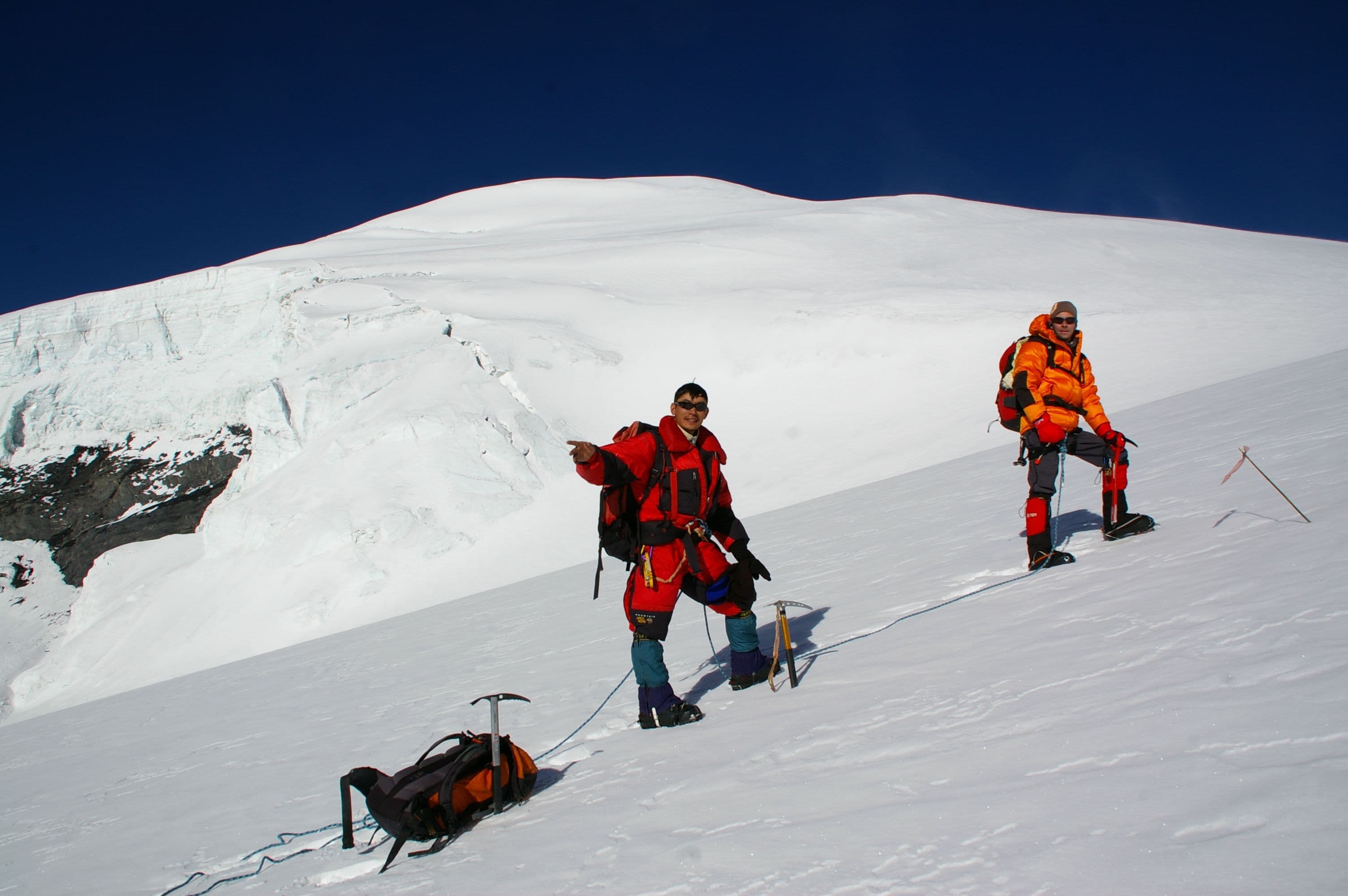
Saribung Peak Climbing is one of the new trekking trails opened in 2006 in the corner of upper Mustang region. Saribung Peak is situated to the northeast from Lo- Manthang, border of Nepal and Tibet with an elevation of 6328 m takes you to western Nepal close to Damodar Himalayan range. A very popular trekking trail with off-beaten paths offers you beautiful moments of your life. Exploring the landscapes, amazing wildlife, remote cultures and green forests filled with pine and rhododendron flowers.
Trekking surrounds the area of “Hidden Valleys” Mustang, Jomsom and Nar Phu valley. Though the expedition doesn’t need any technical ideas, the crossing of several high passes with crevasses on the open trails between the region of Damodar Kunda and Nar Phu valley makes the trip a strenuous one.
Likewise you can get a great chance of exploring the unique interpretation of Tibetan culture and marvelous landscapes during the trail. Sunrise Adventure trek team will make your Saribung Peak Climbing awesome. Here we can start the trip in two ways clockwise and anticlockwise. Trekking in a clockwise direction, our trek starts from Phu to Saribung Pass and to the Mustang then returning back on the way visit Muktinath andh, Kaligandaki george to Jomsom. Whereas for clockwise, the trek starts from Jomsom to Nar Phu valley through the upper Mustang trail and at last ending at Besisahar.
In general, our trek starts from Kathmandu to Pokhara by flight or by the drive, exploring the beautiful views of the Himalayas and green forests on the way. Then to Jomsom by flight and trek to Kagbeni on the same day. On the next day, we trek to Lo Manthang, here we get a chance to explore the ancient caves and gompas along with the local Tibetan culture of people following their own unique traditions, norms, and values. After this, the climbing period starts and we climb to Saribung Peak. Now, we trek to Bulbule through the Nar Phu valley and take a bus to come back to Kathmandu. After arriving at Kathmandu, the company provides your evening dinner with cultural program. You can find the detailed itinerary below;
What’s included
A clear breakdown of what your trip price covers.
Included
- Arrival & Departure transfers on both domestic and international flights.
- Accommodation at 3 star hotels in Kathmandu
- Full board meals on tented camping & Lodge expedition
- Accommodation on tented camp
- Half day guided city tour as listed in itinerary
- Peak Climbing Permit Royalty and other government tax
- Group Climbing gear including climbing rope, ice axe, zoomer, harness, figure of eight, carabineer etc.
- All camping equipment - 2-person member tent, dinning tent, kitchen tent, staff & porter tent, toilet tent with commode, dining table with backrest chair etc.
- Free use of quality trekking gear - sleeping bag, fleece inner liner, insulated mat, down jacket, duffel bag etc during the trip
- Well-experienced Climbing guide with all his allowance and expenses
- Porters to carry all personal gear and group equipment
- Insurance of all staff including porters
- Adventure Treks T-shirts / other seasonal gifts as perks
- 10 % VAT and 13% TSC Taxes.
- High altitudes chamber bags (PAC) for very high altitudes
Not included
- Nepal entry Visa fees your travel insurance of any kind emergency evacuation insurance is recommended as this is an adventurous trip and evacuation by Helicopter may be necessary
- International Airfare
- Lunch and Dinner except mentioned itinerary
- All Drinks and main meals in cities
- Tips items for trekking crew members personal expenses like hot shower battery charge Telephone
- laundry beverage drinks etc
Availability
Pick a departure date and we’ll fill in the rest of your 25-day trip automatically.
Select a date to enquire
Choose any available start date on the calendar.
Dates are subject to availability. Please contact us to confirm your preferred dates.
Itinerary
25 days, planned step by step. Tap a day to see the details.
Altitude: 1,350m/4,428ft - Welcome to Kathmandu, the capital of Nepal! Our airport representative will welcome you and give short brief and further details of the trip program. Overnight stay in hotel.
Early in the morning after breakfast we drive to Pokhara from Kathmandu via a bus or flight.
We take a flight from Pokhara to Jomsom, and you can observe the amazing views of stunning mountains and green forests. After we reach at Jomsom , we trek to Kagbeni following the beautiful trekking trails.
Trek over the bank of Kaligandaki River offers you a chance to explore beautiful landscapes, Buddhists monasteries and Maniwalls. The trekking trail provides you 16 different caves throughout the way. Reaching at Tsaile village you can observe the excellent views of Nilgiri Himal along with Kaligandaki River.
Here passing through the trail to Ghiling, beautiful small village, we can observe the amazing Chungsi Cave monastery, similarly you can also get a great chance to explore the ancient monastery where the 8th century Indian Buddhists master, Padmasambhava meditated.
Trail passes the zaite village, Nyi-La Pass, Ghami village takes you to the center of Mustang region where you can observe the longest Maniwall painted with the vertical stripes of red, white and black color. Old palace, beautiful chhorten and Tasarang Gompa are the major highlights to Tsarang.
We trek to Lo-Manthang through the upper trail where you can get a great chance to explore,the oldest temple Lo-Gyakar-Ghar Gompa in Upper Mustang built by the founder of Tibetan Buddhism Padmasambhav . Passing the highest point Chogo-La Pass, you can closely observe the Tibetan culture followed by the original Thakali’s of this region.
Hike to Chhoser village, exploring the amazing caves and monasteries in Lo-Manthang are amazing!
We trek to Yara village, passes by the beautiful small streams and amazing Dhi village with amazing caves and stone walls on the ways.
Trek to Luri Gompa from Yara, exploring the incredible caves and monasteries with different ancient statues, images and religious values.
Walking through the hilltops, with spectacular mountain views. Updown with grassy pastures you will reach to Ghuma Thanti.
Trekking trail to Namta Khola offers you a great chance to Damodar Kunda along with beautiful views of Dhaulagiri, Damodar Himal and Annapurna. Different Buddhists monasteries, Hindu shrine and crystal clear lakes are the attractions of this trail.
Namta Khola to Saribung Base Camp trek offers the beautiful landscapes with Tibetan plateu.
Acclimalization near the hills of Saribung Base Camp.
Trek to Camp I from Saribung Base Camp passing spectacular views of mountains on the trail.
Trek to the summit of Saribung where you can explore the amazing views of mountains like: Himlung, Brikuti etc.
Trek to Saribung Pass to Nagoru offers marvelous views of Himalayas along with cultural and religious values of local people from different ethnic community like: Rai, Tamang, Gurung etc.
Trekking trails through different small villages offers a chance to closely observe the daily living style of local people. Along with this you can get a great chance to explore one of the 100 world’s greatest monasteries called Tashi Lakhang Monastery built by Karmapo Rinpoche.
Views of mountains Annapurna and Lamjung Himal through the trail to Meta from Phu Gaon.
Trek to Meta from Koto, passing beautiful pine forests and small streams on the way.
Trek to Dharapani for 5 to 6 hours, passing amazing views of mountains and pine forests.
Way along the Marsyangdi River, with rocky trails and dense forests.
Day 23: Trek to the down with rocky trail following the Marsyangdi River to Bulbhule. The trek completed in this point!
Now, we take a bus to Kathmandu. Reaching at hotel, take a rest. The company offers you meal with cultural show in evening time.
After winding up a successful trip, our representative drops you off to the airport for your further journey. You are dropped to the airport around 3 hours before the departure so that there may not be any delays. Have a safe journey!
Frequently asked questions
Quick answers about this trip. Still unsure? Our team is happy to help.
Nepal, as a tourist destination is good for all seasons, however, the best seasons for trekking to Dhaulagiri region are Spring (March – May) and Autumn (mid Sept. – mid Dec. ). Trekking in autumn season is noted for clear weather and excellent views of silvery mountains against blue sky. It gets colder towards the end of December. This trek can be done in any month except January and February.
Nepal, as a tourist destination is good for all seasons, however, the best seasons for trekking to Dhaulagiri region are Spring (March – May) and Autumn (mid Sept. – mid Dec. ). Trekking in autumn season is noted for clear weather and excellent views of silvery mountains against blue sky. It gets colder towards the end of December. This trek can be done in any month except January and February.
Nepal, as a tourist destination is good for all seasons, however, the best seasons for trekking to Dhaulagiri region are Spring (March – May) and Autumn (mid Sept. – mid Dec. ). Trekking in autumn season is noted for clear weather and excellent views of silvery mountains against blue sky. It gets colder towards the end of December. This trek can be done in any month except January and February.
Nepal, as a tourist destination is good for all seasons, however, the best seasons for trekking to Dhaulagiri region are Spring (March – May) and Autumn (mid Sept. – mid Dec. ). Trekking in autumn season is noted for clear weather and excellent views of silvery mountains against blue sky. It gets colder towards the end of December. This trek can be done in any month except January and February.
Nepal, as a tourist destination is good for all seasons, however, the best seasons for trekking to Dhaulagiri region are Spring (March – May) and Autumn (mid Sept. – mid Dec. ). Trekking in autumn season is noted for clear weather and excellent views of silvery mountains against blue sky. It gets colder towards the end of December. This trek can be done in any month except January and February.
Nepal, as a tourist destination is good for all seasons, however, the best seasons for trekking to Dhaulagiri region are Spring (March – May) and Autumn (mid Sept. – mid Dec. ). Trekking in autumn season is noted for clear weather and excellent views of silvery mountains against blue sky. It gets colder towards the end of December. This trek can be done in any month except January and February.
Nepal, as a tourist destination is good for all seasons, however, the best seasons for trekking to Dhaulagiri region are Spring (March – May) and Autumn (mid Sept. – mid Dec. ). Trekking in autumn season is noted for clear weather and excellent views of silvery mountains against blue sky. It gets colder towards the end of December. This trek can be done in any month except January and February.
Nepal, as a tourist destination is good for all seasons, however, the best seasons for trekking to Dhaulagiri region are Spring (March – May) and Autumn (mid Sept. – mid Dec. ). Trekking in autumn season is noted for clear weather and excellent views of silvery mountains against blue sky. It gets colder towards the end of December. This trek can be done in any month except January and February.
Nepal, as a tourist destination is good for all seasons, however, the best seasons for trekking to Dhaulagiri region are Spring (March – May) and Autumn (mid Sept. – mid Dec. ). Trekking in autumn season is noted for clear weather and excellent views of silvery mountains against blue sky. It gets colder towards the end of December. This trek can be done in any month except January and February.
Nepal, as a tourist destination is good for all seasons, however, the best seasons for trekking to Dhaulagiri region are Spring (March – May) and Autumn (mid Sept. – mid Dec. ). Trekking in autumn season is noted for clear weather and excellent views of silvery mountains against blue sky. It gets colder towards the end of December. This trek can be done in any month except January and February.
Nepal, as a tourist destination is good for all seasons, however, the best seasons for trekking to Dhaulagiri region are Spring (March – May) and Autumn (mid Sept. – mid Dec. ). Trekking in autumn season is noted for clear weather and excellent views of silvery mountains against blue sky. It gets colder towards the end of December. This trek can be done in any month except January and February.
Leave a review
Travelled with us? Share your experience. Your email address will not be published.
Planning a trip to Nepal?
Tell us what you have in mind and we’ll tailor a trip around you.