Short Everest Base Camp Trek
Everest Base Camp Short Trek: An 11-Day Himalayan Adventure
“Climbing Everest: One step closer to Heaven”
Would you like to explore Everest with a full sense of freedom in nature? Do you want to immerse yourself in the beautiful Khumburegion? Do you crave a peaceful escape from the stress of daily life? Well, the Everest trek is an ideal option for you.
An Overview & Introduction
The Short Everest Base Camp Trek is designed for trekkers who want to explore Everest in a limited time. The 11-day Himalayan adventure package is popular among travellers.
The real magic of the Everest trek is not reaching base camp. It is the 11-day journey through the breathtaking Himalayas.
The 11 days Everest Trek offer spectacular views of Mount Everest and other giant peaks.
Apart from Mount Everest, you will explore Ama Dablam (6, 812 m/22,350 feet) Lhotse (8,516 m/ 27939.63 feet), Kusum Kanguru(6,376 m /20889 feet), Pumori (7,161 m/223,494 ft.), Cho Oyu (8,201 m/26,906 ft.), Makalu (8,485 m/27,838 ft.) and several other peaks.
The 11-day Himalayan Adventure becomes more enjoyable while walking through the Khumbu region, visiting Tengboche Monastery, Namche Bazar and learning about the culture & traditions of the Sherpa community.
However, a short Everest itinerary requires limited time, stamina and endurance. Furthermore, there will be limited time for acclimatization. Therefore, altitude sickness risk should be managed carefully.
We at Sunrise Adventure Trek are delighted to present you with a fully customized itinerary of the “Short Everest Base Camp Trek. Booking is open for 2026, 2027 & 2028.
Tour Highlights & Significance of EBC trek
• Amazing mountain flight experience from Kathmandu to Lukla
• Spectacular views of Lhotse, Nuptse, AmaDablam, Manaslu, Cho Oyu, Pumori, Kusum Kangri, and Mount Everest
• Explore the bustling “Sherpa Capital” – Namche.
• Visit the Spiritual Buddhist Monastery – Tengboche
• Explore Sherpa Village & Culture
• Visit Sagarmatha National Park, a designated UNESCO World Heritage Site.
• Immerse yourself in the 11-day Himalayan adventure.
• Reach Everest Base Camp (5,364 meters)
• Close-up views of Mount Everest, KhumbuGlacier, and other peaks from Kala Patthar(the vantage point of the trek).
• Witness the glowing red, pink, orange and light-filled sunrise and sunset views
Surprising facts about “Short Everest Trek”
Trek Information
Details
Destination
Everest Base Camp (EBC)
Duration
11 days
Starting Point
Kathmandu/Lukla
Total Distance
Around 130 kilometers
Maximum Elevation
Kala Patthar (5,545-5644)
Trek Region
Khumbu
Accommodation
Tea houses
Best Time
Spring (Mar-May), Autumn (Sep-Nov)
Difficulty Level
Moderate to Challenging
Major Highlights
Lukla Flight, Namche, Dingboche, Tengboche Monastery, EBC and Kala Patthar
Ideal for
Fit trekkers; not recommended for beginners
Permits
Sagarmatha National Park Permits & Khumbu Pasang Lhamu Rural Municipality Permit
A sample itinerary of Short Everest Base Camp Trek
Day 1: Flight from Kathmandu (1,400 m) to Lukla (2,840 m) and trek to Phakding (2,610 m).
Your 11-day Everest Base Camp trek begins with a scenic flight to Lukla, where you meet your crew members and prepare for the trail.
From Lukla, we descend to Phakding, passing through Sherpa settlements, Pasang LhamuMemorial Gate, mani stone walls, prayer walls, and chortens. The route follows the DudhkoshiRiver, suspension bridges and forest trails. After 4-5 hours of walking, we will finally reach Phakding.
Day 2: Trek from Phakding (2,610 m) to Namche Bazaar (3,440 m)
Our EBC Trek continues on Day 2. After breakfast, we will follow the Dudhkoshi River, rhododendron forests, and small settlements. After reaching Monjo, we complete all necessary formalities before walking towards Jorsalle. We will also cross the longest Tenzing-Hillary Bridge. The final ascent is demanding; take regular breaks and maintain a slow pace.
After 6-7 hours of walking, we will arrive at bustling “Sherpa Capital” – Namche.
Day 3: Acclimatization day at NamcheBazaar (3,440 m).
We are on a strenuous EBC journey. Acclimatization can save us from altitude sickness and other complications during the high-altitude trek. You also have the option to trek towards the Everest View Hotel. From here, you will witness spectacular vistas of Mount Everest, Ama Dablam, Nuptse and other mountains. But we will not walk towards the Everest view hotel; with only one day acclimatization day, the trek becomes more demanding.
Day 4: Trek from Namche Bazaar (3,440 m) to Tengboche (3,860 m)
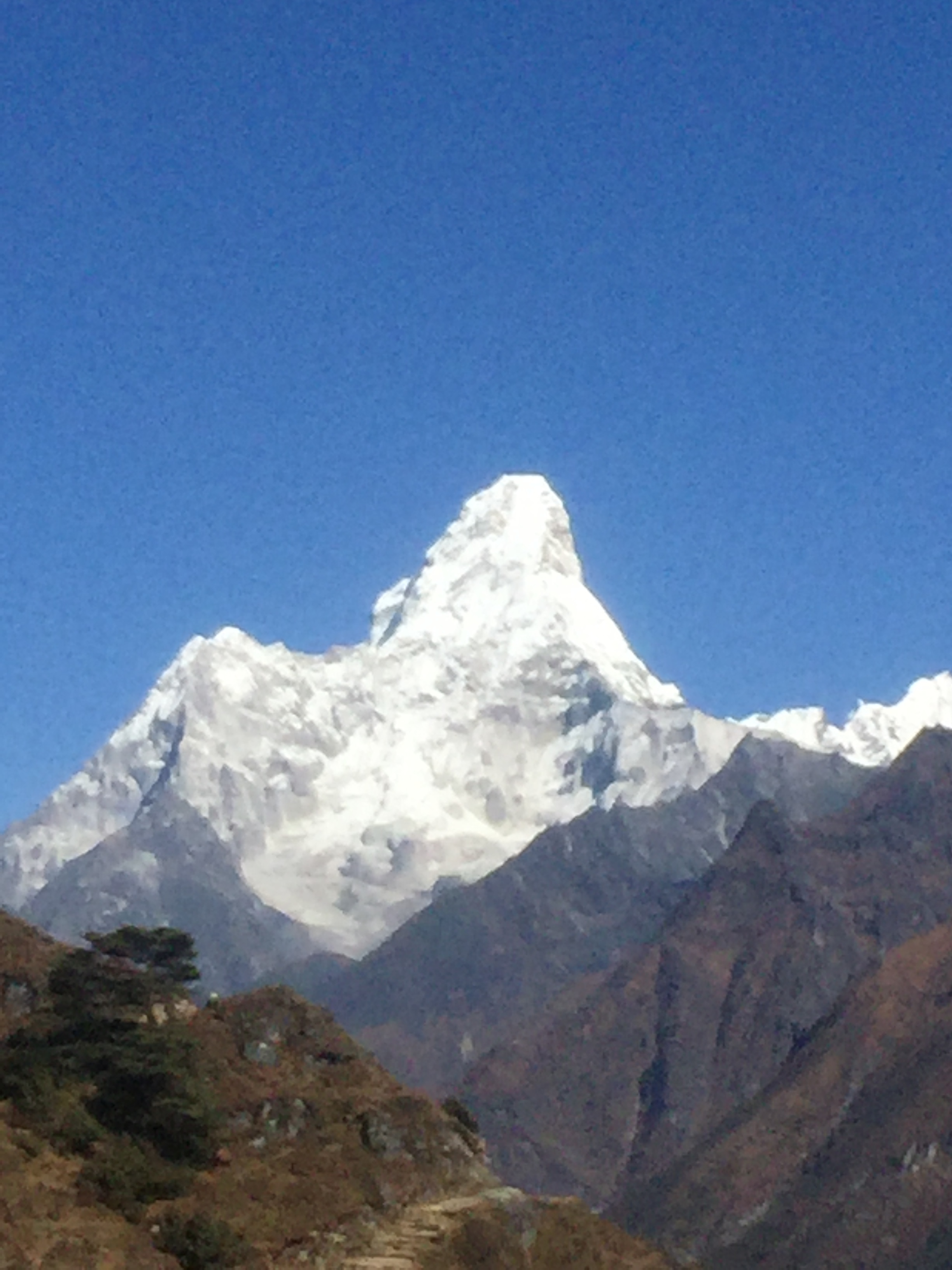
The trek will continue on day 4. After breakfast, we leave Namche and make our way towards Tengboche. The route is demanding, but clear & dramatic views of Ama Dablam make our day worthwhile.
After 4 to 6 hours of walking, we will reach Tengboche, popularly known as Tengboche Monastery. It is a spiritual center for Tibetan Buddhists. We spend a night at a tea house or mountain lodge.
Day 5: Trek from Tengboche (3,860 m) to Dingboche (4,410 m)
The trek from Tengboche to Dingboche covers 10- 11 kilometers and takes 5-6 hours of walking.
The trekkers descend through the rhododendron forest to reach Deboche. After that, we cross Imja Khola to reach Pangboche. Along the way, you will see close-up views of Ama Dablam, Mount Nuptse, Mount Cholatse and other peaks. After passing the low shrubs and slopes, the final steps lead us to Dingboche. We’ll spend the night at a tea house.
Day 6: Trek from Dingboche (4,410 m) to Lobuche (4,910 m)
The trek from Dingboche to Lobuche is challenging. The trail continues towards Dughla, passing through Thukla Pass. During the trek, we will also see memorials and prayer flags in memory of those who died on the way to Mt. Everest.
Afterwards, we will follow the trail beside Khumbu Glacier to reach Lobuche. On arrival, we’ll stay at a tea house.
Day 7: Trek from Lobuche (4,910 m) to Gorakshep (5,140 m), visit Everest Base Camp (5,364 m), and return to Gorakshep.
Today is one of the finest days of the Short Everest Base Camp Trek, as we will finally reach the base camp. So far, you have gained 2,754 meters (9,036 ft.) in elevation over 7 days of walking.
We’ll set off early and follow the Khumbu Glacier trail. You will need to walk around 8-9 hours at high altitude.
After 2-3 hours of walking, we will reach Gorakshep for lunch and rest. After that, it will take 3-4 hours to reach Base Camp.
At Base Camp, celebrate your achievement, soak in a serene atmosphere, and enjoy spectacular views of Khumbu Icefall. We then descend to Gorakshep for an overnight stay and dinner.
Day 8: Early Morning Hike to Kala Patthar(5,545 m), Then Trek to Pheriche (4,240 m)
Walk before dawn, 4.00 to 4.30 A.M., for the steep climb to Kala Patthar in the freezing dark with a headlamp. The ascent takes 2-3 hours to reach Kala Patthar. It rewards you with a magical sunrise with spectacular views of Mount Everest, Nuptse, Pumori and other mountains. Spend 20-25 minutes taking photos; we descend back to Gorakshep for breakfast, and then continue descending to Lobuche and Pheriche. The journey will take around 8-9 hours. Our magnificent day will end with a warm dinner at a tea house.
Day 9: Pheriche (4,240 m) to Namche Bazaar (3,440 m)
The trek from Pheriche to Namche Bazar takes around 5-6 hours. After breakfast, we follow the Imja Valley, passing through Orsho and Shoare, with giant views of Ama Dablam. Crossing the suspension bridge, we reach Pangboche, and then follow the rhododendron and juniper forest to Tengboche. Here you can rest for a while. Then we descend to Phunki Tenga and climb towards the Sansa. The final stretch towards Namche Bazar will be easier. Comfortable overnight stay and enjoy your favorite meal at café’s and restaurant.
Day 10: Namche Bazaar (3,440 m) to Lukla(2,840 m), via Phakding (2,610 m)
This is our final day of legs. The trekkers must walk slowly and steadily on the steep & rocky terrain until reaching the Dudhkoshi River. After crossing the Hillary Suspension Bridge and passing through the Monjo, we will reach Phakding. From here, we will pass through traditional Sherpa settlements and dramatic landscapes to reach Lukla. At Lukla, you will enjoy a farewell Thakali meal. It includes: rice, Lentils, Seasonal Vegetables, Mutton/Chicken curry, Curd, Spinach, Mustang Aalo, Dhido, Timur pickles, Gundruk and other delicious items.
Day 11: Flight from Lukla to Kathmandu (1,400 m)
We’ll take an early morning flight from Tenzing-Hillary Airport (Lukla) to reach Kathmandu.
Trip Expectations: 11-Day Everest Base Camp Trek
The 11-day Everest Base Camp Trek is short yet offers a rewarding experience for trekkers. Each day of your Everest journey will be different, offering a distinctive experience. During the journey, you will walk through Sherpa Villages, cross suspension bridges, visit Namche Bazar, admire the beauty of Tengboche Monastery and witness the stunning views of snow-covered mountains.
Furthermore, our experienced guides cover every detail of the trek. Besides this, the porters will carry your bags.
Usually, our day starts with tea/coffee and a healthy breakfast. Then, our journey starts around 7 to 8 A.M. (depending on the season).
After 3-4 hours of hiking, the trekkers will enjoy lunch. Meanwhile, we rest for a while. The afternoon hike will be a bit shorter compared to the morning walk. As the day ends, we will spend the night in a comfortable tea house.
Remember: An 11-day EBC itinerary is demanding. Follow the slow pace and avoid rushing along the trail.
Short Everest Base Camp Trek Difficulty Level
The Short Everest Base Camp Trek is challenging and strenuous. It is not technical walking. However, consecutive days of walking and limited acclimatization make it demanding.
The trek must be completed in a limited number of days with 5 to 8 hours of walking. The altitude gain is the biggest concern for the trekkers. It starts from Lukla (2,860 m), follows Everest Base Camp (5,360 m), and eventually reaches Kala Patthar (5,500 meters).
The trail conditions like stone steps, uneven trails, and continuous uphill and downhill walking, make it more strenuous.
As this is a Short Everest Base Camp Trek of 11 days, the trekker must maintain good health and proper physical fitness to complete the journey. He/she must engage in cardiovascular exercises like swimming, running, jogging, and squats at least 6-7 weeks before the trek.
The weather plays a key role in the journey. The two best windows are Autumn (Sep-Nov) and Spring (Mar-May). The skies are clear, temperatures are mild, there are fewer chances of rain, and remarkable Himalayan panoramas.
Preparation & Training
Before starting an 11-day Everest Base Camp Trek, it will be good to focus on proper preparation and training. Since the trek involves several days of walking, rough terrain, altitude health risks, and unpredictable weather, start preparing 6-7 weeks before the trek.
Cardiovascular Training: 50-60 minutes of daily jogging, walking, running, or swimming will boost your stamina and endurance.
Strength Training: Strength training like squats, lunges, and planks is important. Strong muscles balance your walk even on rough terrain.
Uphill walking: Practicing uphill walking will be beneficial when you walk along the stone steps and uneven mountain trails.
Yoga & Meditation: It improves your focus and concentration. It also makes your hike peaceful, refreshing and enjoyable.
Trekking Gear: Make sure about your all-important trekking gears.
Be conscious about Altitude: Physical Preparation doesn’t make much difference in altitude sickness. Follow proper travel plans with adequate acclimatization.
Travel Insurance: Ensure your travel insurance for a hassle-free trek.
Overcoming of Altitude Sickness on Short EBC Trek
Altitude Sickness is common when you hike above 2,500- 3,000 meters. It is a condition in which the body doesn’t adapt to the lower oxygen levels at higher altitudes.
Headache, vomiting, nausea, dizziness, and shortness of breath are common symptoms trekkers have to face during the journey. If these conditions are overlooked, trekkers may develop Acute Mountain Sickness (AMS), High-Altitude Cerebral Edema (HACE), High-Altitude Pulmonary Edema (HAPE), or Chronic Mountain Sickness (CMS).
Here are some significant points that you need to consider.
Recognize signs of Altitude Sickness: If you have any signs of headache, nausea, dizziness or any health issues, immediately inform your guide or team leader.
Gradual Ascents: Give priority to gradual ascents. Avoid rushing. Don’t be in a hurry.
Medication –By taking advice from a physician, you may consume Diamox (Acetazolamide) 1-2 days before the trek.
Alcohol & Tobacco: Avoid consuming alcohol & tobacco during the trek.
Healthy Diet: Eat well, especially carbohydrates and proteins. Avoid oily and spicy foods.
Acclimatization: You will have limited time for acclimatization. Therefore, follow the acclimatization at Namche: “Climb High, Sleep Low”.
Is an 11-day Everest Base Camp Trek possible for beginners?
An 11-day Everest Base Camp Trek may not be suitable for every beginner. It is not a longer Everest trekking journey. The compressed itinerary, limited acclimatization, and changing weather conditions make it more challenging. Even experienced and physically fit trekkers can suffer from altitude-related problems.
The main concern is the limited acclimatizationday. Due to the 11 days of trekking, the trekkers will have only one day for rest. Therefore, the beginner should avoid the 11-day Everest Base Camp Trek.
Our recommendation: Beginners are advised for a longer Everest Base Camp itinerary that allows your body to adjust with the varying altitudes and lower oxygen levels. The first time trekkers should opt for the itinerary with multiple acclimatization days.
Ultimately, reaching the EBC is not an accomplishment. However, safely returning from the trek is always important.
Short Everest base camp trek
Everest base camp trek
Best Season to trek Short Everest Base Camp
Choosing the right month makes your journey safer and enjoyable. There are four seasons in Nepal. Here are the details breakdowns.
Spring (Mar-May): Spring is often described as one of the best seasons for the Everest Base Camp Trek
Key Highlights
• Mild temperatures
• Longer daylight hours
• Weather: Clear & Stable
• Blooming Rhododendrons along the trail
• Impressive views of Everest, Ama Dablam, Lhotse, Cho-Oyu and other mountains.
• A bit colder in early March.
Autumn (Sep-Nov): Autumn offers a rewarding trekking experience, and it is also the peak season for the Everest Base Camp Express Trek.
Key Highlights
• Comfortable trekking conditions
• Crisp air and excellent visibility
• Monsoon ends and perfect mountain visibility.
• Autumn coincides with major Nepali festivals: Dashain (worshipping Goddess Durga) and Tihar (festival of lights).
• September may bring rains; plan your trip in October and November.
• October and November are the busiest months; book your accommodation in advance.
Winter (Dec-Feb): Winter can be beautiful but not for every trekker.
Key Highlights
• Peaceful trails
• More tea houses available
• Cheaper cost of food & accommodations
• Elegant snow-covered mountains
• High passes may be blocked by snowfall.
• Rewarding season for experienced trekkers.
• Not recommended for beginners.
Monsoon (Jun-Aug): Trekking in the Everest region is generally not recommended during the monsoon season.
Key Highlights
• Poor visibility
• Cloud cover over the mountain views.
• High chances of flight delays.
• Slippery paths
• Mudflow from the higher elevations
• Chances of landslides and soil erosion
• Lush & Green scenery
• Fewer trekkers and a quieter trail.
Accommodation along the trekking route
We Nepalese believe in “true hospitality”. You will find comfortable accommodation along the trekking route. Trekkers will have to rely on mountain lodges and local tea houses. The majority of night spends in tea houses, which runs by the local family members.
At lower elevations, accommodation will be comfortable. The more you move upwards; your facilities turn elegant to basic.
In Namche and Phakding, trekkers will stay in well-equipped tea houses or mountain lodges. They offer twin shared bedrooms, electric-heated beds, pillows, warm blankets, basic furniture or shared/attached bathrooms.
Near Dingboche, Lobuche and Gorakshep, accommodations are very basic. They offer basic rooms, communal dining halls, and squat toilet service.
The estimates ranges of room cost around $10 to $25 per night. At lower altitudes, it costs around $5 to $15 per night.
Since autumn and spring are the peak seasons, booking is recommended to secure a room.
Everest Base Camp Trekking Food & Meals
The trekkers are going for a strenuous trek. It's obvious: you need a healthy, plentiful diet to complete the trek. Here are the details.
Breakfast (the first meal): Usually, it is served around 6 to 7 A.M. The Breakfast includes:
• Tibetan Bread
• Tsampa Porridge
• Chapati/Roti & Vegetables
• Egg Dishes
• Muesli
• Riki Kur
• Pan Cakes
• Sel Roti
• Gwaramari
• Bara
• Toast
• Tea (milk, lemon & black)
• Coffee (milk & black)
Lunch (the energising meal): Lunch is considered the main meal of Nepal. Most trekkers stop at a tea house for lunch. It includes:
• Dal, Bhat (Rice, Lentils & Curry)
• Chapati, Dal & Vegetables
• Mo: Mo (dumplings)
• Chowmeen
• Thukpa
• Sherpa Stew & more
Dinner (the night supper): After completing the day's trek, you will enjoy a delicious dinner at the tea house or mountain lodges. It includes
• Dal, Bhat
• Pizza
• Burger
• Fried Rice
• Potato Dishes
• Yakmeat
• Thukpa
• Garlic Soup
• Pasta & more
Essential Packing Lists for an Everest Trek
A useful packing list is necessary for the 11-Day Everest Trek. Since you will be walking for several consecutive days, pack smart and light.
Clothing & Layers
• Base Layers
• Fleece and down jacket
• Lightweight trousers
• Waterproof and windproof clothes
• Thermals (top and bottom)
• Sports Bra (for women)
• Thick gloves (waterproof)
• Wool hat
• Sunhat
• Neck Buff
• Extra Underwear
Footwear & Trekking Equipment
• Antiskid shoes
• Waterproof hiking shoes
• Light shoes (for day walk)
• Trekking Poles
• Duffel Bag
• Sleeping bags
• UV-protected sunglasses
• Head lamp
• Gaiters
Health & Personal
• Personal medicine
• First-aid Kit
• SPF Sun Cream
• Lip Balm
• Toiletries, Wet Wipes
• Water bottles
• Hand gel/ointment
• Water purification tablets
• Acetazolamide tablets
Gadgets & Electronic Items
• Power bank
• Universal Adaptor
• Mobile
• Charging Cables
• DSLR Camera
Documents & Other Essentials
• Passport
• Necessary trekking permits
• Travel insurance
• Offline maps
• Contact information
• Cash in Nepalese denominations
• Energy Bars, Chocolates, Nuts, Sweets & Electrolyte sachets.
Note: For the short Everest Base Camp trek, always priorities your comfort and safety.
Travel Insurances and its necessities
Travel Insurance for the Short Everest Base Camp Trek is necessary for a safer & more enjoyable trek. It is not optional; it is mandatory when you are hiking above 2,500- 3,000 meters.
Travel Insurance is recommended to be purchased before arriving in Nepal. Even with proper preparation, you may fall into unexpected situations such as altitude sickness, injuries, flight disruptions, or volatile weather conditions. These hurdles can disrupt your adventure tour.
Importance of Travel Insurance for the Trek
Emergency Medical Treatment: It covers emergency medical treatment in hospitals in Lukla, Namche, and Kathmandu.
Helicopter Evacuation: If trekkers develop serious health issues or altitude sickness, helicopter evacuation is the only practical means to reach Kathmandu for advanced treatment.
Trip Cancellation/Interruption: Weather conditions frequently change in Lukla. Depending on your policy, it reimburses transportation, accommodation and other expenses.
Personal Belongings: It also protects your personal belongings in case you lose your baggage or valuable items.
Financial Partner: Your insurance is a complete financial partner/solution during the trek.
Essential Permits for the Trek
For EBC trek you need couple of permits.
✓ Sagarmatha National Park Entry Permit
✓ Khumbu Pasang Lhamu Rural Municipality Permit
Sagarmatha National Park Entry Permit: For every trekker who treks in the Khumbu region, a Sagarmatha National Park Entry Permit is mandatory. A visitor can easily obtain this permit from the Nepal Tourism Board, BhrikutiMandap, Kathmandu or at the entry checkpoint of Monjo.
Cost Breakdown by Nationality
Foreign Nationals: NPR 3,000 per person (13 % VAT)
SAARC Citizens: NPR 1,500 per person
Nepalese Citizens: NPR 100 per person
Children under 10: Free
Khumbu Pasang Lhamu Rural Municipality Permit: The Pasang Lhamu Rural Municipality Permit is another mandatory permit trekkers need for the EBC trek. You can obtain this permit after arriving in Lukla or Monjo at the Sagarmatha National Park counter.
Cost breakdowns by Nationality
Foreign Nationals: NPR 3000 per person (for the first 4 weeks)
Chinese & SAARC Nationals: NPR 2000 per person
Nepali Citizens: NPR 100 (applicable tax)
Children under 10: Free
Frequently Asked Question’s (FAQ)
Can I complete the EBC trek in 11 days?
Although it is a physically demanding schedule compared to the standard 14-day itinerary, healthy, experienced, and fit trekkers can complete the journey in 11 days. It is not recommended for beginners.
What is the maximum elevation of the EBC journey?
The elevation of the Everest Base Camp is 5,364 meters. Kala Patthar, a vantage point, reaches 5,545 meters.
What are the best months for the Short Everest Trek?
March to May and October to November are the best months for the EBC Trek. These months offer clear skies, moderate temperatures, perfect trail conditions, and spectacular Himalayan Panoramas.
Is the 11-day Everest Base Camp Trek feasible for the Solo trekker?
Yes, the short Everest Base Camp trek is possible for the solo trekker, but it requires an experienced and licensed guide.
Are there tea houses along the trail?
Yes, trekkers will find comfortable tea houses at every major stop on the trail, including Namche, Phakding, Tengboche, and Dingboche. They offer you twin sharing rooms, single beds, pillow and warm blankets.
Can I pay the EBC Permit fee in US dollars?
For the Sagarmatha National Park Entry Permit and Pasang Lhamu Rural Municipality Permit, you need Nepali rupees to pay.
How much does an 11-Day Everest Base Camp Trek Cost?
The cost of an 11-day Everest Base Camp Trek ranges from $1100 to $1800 per person. If you opt for the Luxury Everest Trek, the cost can range from $3500 to $4500 per person.
Can I see Mount Everest from the Base Camp?
The main summit of Mount Everest is generally not visible from the Everest Base Camp. However, trekkers can enjoy the stunning views of Mount Everest from Kala Patthar.
Is Travel insurance necessary for the trek?
It is not legally mandated by the Nepal Government. Travel Insurance is strongly recommended. It covers emergency medical costs, helicopter evacuation and other financial needs.
Final Thoughts…
The 11-day Short Everest Base Camp Trek offers challenging but equally rewarding walking days. The Sherpa village, suspension bridges, Khumbu Glacier, sacred monastery and spectacular Himalayan views make your journey unforgettable.
It is a compressed walking schedule, giving trekkers less time to acclimatise. Therefore, the journey suits fit trekkers. The first-time trekkers are not recommended for the trek.
The real magic of the Everest trek is not reaching base camp. It is the 11-day journey through the breathtaking Himalayas. Above all, listen to your body, prepare for the trek, respect altitude, and adjust to the changing weather.

Leave a Reply
Your email address will not be published.