Khumbu Glacier
Khumbu Glacier (खुम्बु हिमनदी) is one of the most adorable natural features of the Himalayas. It is the world's highest glacier with an elevation ranging from 4,900 m to 7,600 m. It is located within the Everest region between Mount Everest and Lhotse-Nuptse. It also lies within the Sagarmatha National Park—a UNESCO-listed heritage site.
The Khumbu Glacier is not just frozen water. It is a continuous system that influences climate change, supports ecosystems, shapes mountain routes, and holds spiritual significance for the local Sherpa community.
It serves as the primary route for the Everest Base Camp. It takes the trekkers to the foothills of the Himalayas. It is a promising place that blends scientific significance, natural beauty, and adventure.
The Khumbu Glacier has the largest icefall, called the Khumbu Icefall. Reaching the summit of Mount Everest poses significant challenges. Every climber has to navigate the Khumbu Icefall.
Today, through this topic, we will learn every aspect of the Khumbu Glacier. Keep scrolling down.
How does the Khumbu Glacier form?
The beautiful Khumbu glacier originates from the slopes of Mount Everest, Lhotse, and Nuptse and extends 18-20 kilometers through the Khumbu Valley.
Every year, a layer of snow forms in the mountains' upland basins, especially in the Western Cwm.
As there is snowfall, the upper layers compress the lower parts. Over the many years, the snow turns denser and transforms into solid glacial ice.
The accumulated ice becomes extremely heavy and falls slowly downhill, marking the paths of the glacier.
The glacier’s movements shape the valleys, maintain the ecosystem, and create dramatic geological features. It is an unstoppable and ongoing natural process that maintains bonds between nature, mountains, and ice.
Historical Significance of Khumbu Glacier
The Khumbu Glacier has played an important role in exploration, mountaineering, climbing, and trekking. Here is the historical significance of Khumbu Glacier.
Gateway to Mount Everest Expeditions
Khumbu Glacier is a gateway to Everest expeditions. In 1953, Sir Edmund Hillary and Tenzing Norgay successfully climbed Mount Everest by crossing the dangerous icefall.
Home to Everest Base Camp
Khumbu Glacier is home to Everest Base Camp. It serves as the starting point for thousands of trekkers from around the globe.
Connection to the Brave Sherpas
For centuries, the Khumbu glacier and the Everest region have been the native land of the Sherpa people. They considered them as deep and spiritual connections with the landscapes.
Symbol of Adventure and Human Exploration
From the twentieth to the twenty-first centuries, Khumbu Glacier has been the symbol of adventure and human exploration. It fulfils the human desire to reach the world’s highest mountain—Mount Everest.
Research & Scientific Works
The Khumbu glacier is a natural laboratory used by climatologists and glaciologists to study mass loss, ice melt, and risks of Glaciel Lake Outburst Floods.
Everest base camp treks
Ebc trek
Khumbu Glacier Info: Beautiful & Dangerous
Khumbu gaciers is well known for being one of the highest glaciers in the world. It originates from the Mount Everest and Mt. Lhotse Himalayas of Nepal. Nepal has more than 3252 glaciers, along with the 2323 lakes. Khumbu Glaciers flows from 7600 meters to 4900 meters to Lubuche.
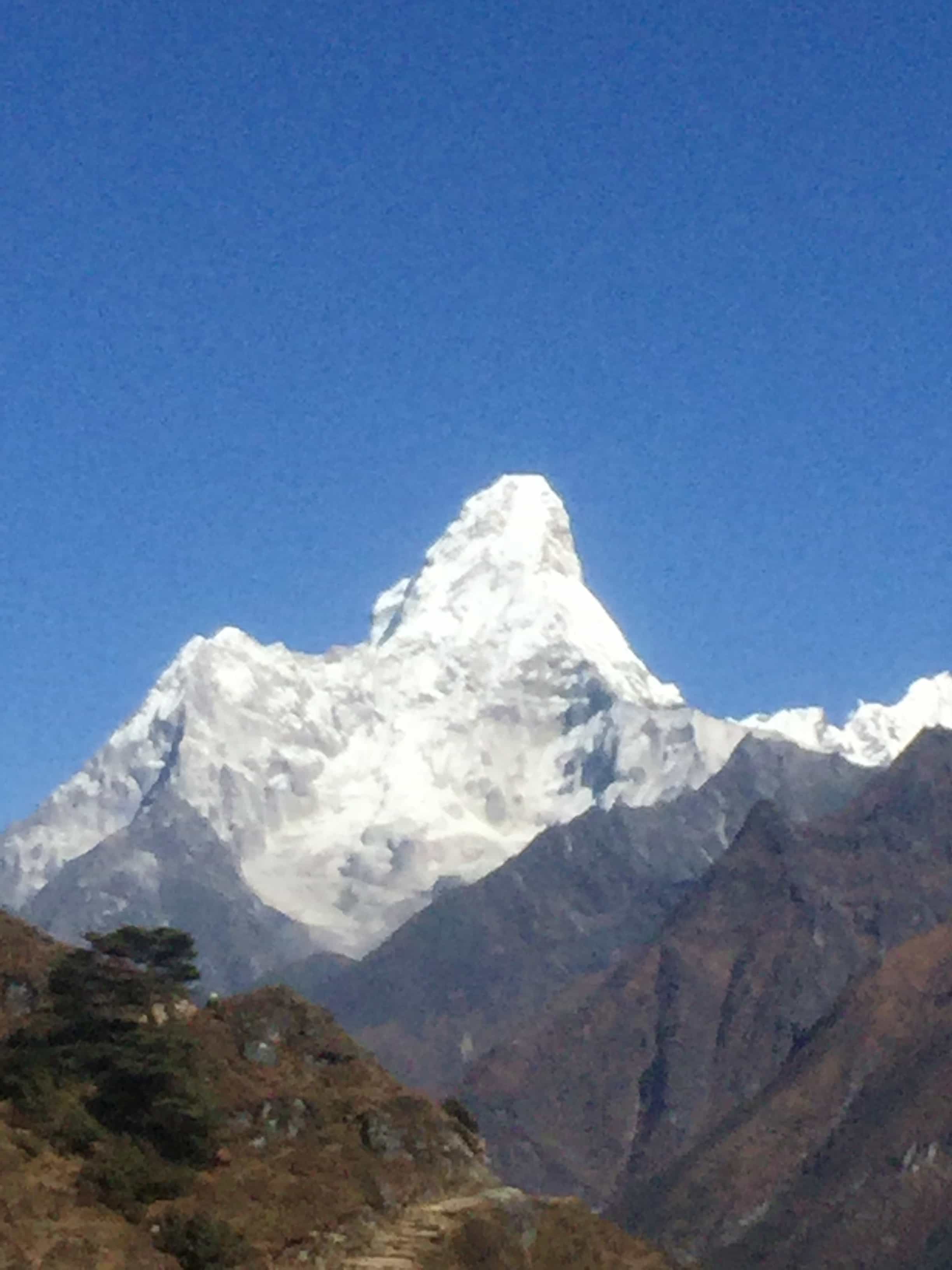
Likewise, Khumbu Glacier is a landscape of extraordinary beauty. The Khumbu Glacier lies beneath some of the world's highest peaks, including Lhotse and Nuptse. Its surroundings are breathtaking, featuring towering snow-capped mountains, deep valleys, and sparkling ice formations that create one of the most dramatic landscapes in the Himalayas.
From a long distance, the glacier appears pleasing and peaceful. It looks like a new white highway winding throughout the rugged terrain. At sunrise, the ice reflects golden-orange light, and during sunset, the mountains glow in shades of pink and red.
While trekking to EBC, the Khumbu Glacier offers spectacular proximity to the world’s highest peaks.
Despite its beauty, Khumbu Glacier is the most dangerous and uncertain in nature. It has several sections.
· Hidden Crevasses
· Avalanches
· Constantly moving ice
The glacier changes every day, making it unpredictable for the trekkers heading towards the Everest Base Camp.
Cultural and Spiritual Significance
The Khumbu Glacier is not only an amicable natural feature but also holds deep cultural and spiritual importance for the people residing in the Everest region, especially the Sherpa. The surrounding mountains and valleys of the Khumbu Glacier are deeply connected with the deep faiths, religion, and beliefs.
In Sherpa culture, mountains are considered their deities. Before climbing, the guides and local people are involved in a Puja ceremony (worshipping & praying) in the mountains.
The glacier also plays a significant role in supporting local livelihoods, agriculture, and sustainable ecosystems throughout the region.
The trekkers will also experience colorful flags, monasteries, and sacred sites across the entire Khumbu valley, which reflects the unbreakable bonds between Sherpas and the Himalayas.
How to reach the Khumbu Glacier?
Reaching the Khumbu is not like visiting a normal destination like Kathmandu, Pokhara, or Lumbini. It is a deep journey to the Himalayas.
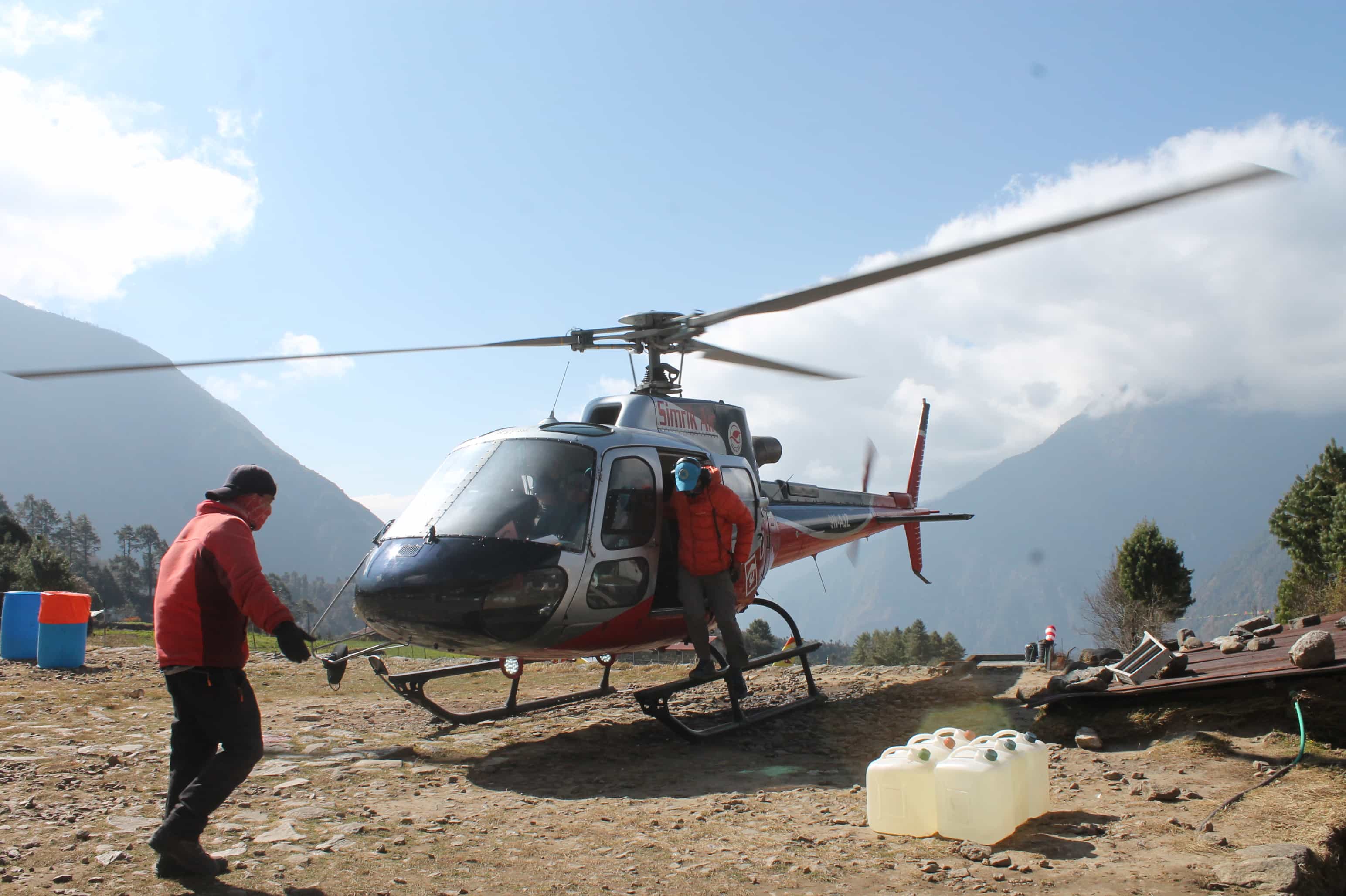
The journey usually begins with a flight from Kathmandu to Lukla. You will be overwhelmed by the dramatic landscapes, mountains, and green valley’s during a 35-minute flight.
As a plane lands at Tenzing Hillary Airport, you will see that the place is surrounded by snow-covered mountains. It signals the start of your unforgettable Everest adventure.
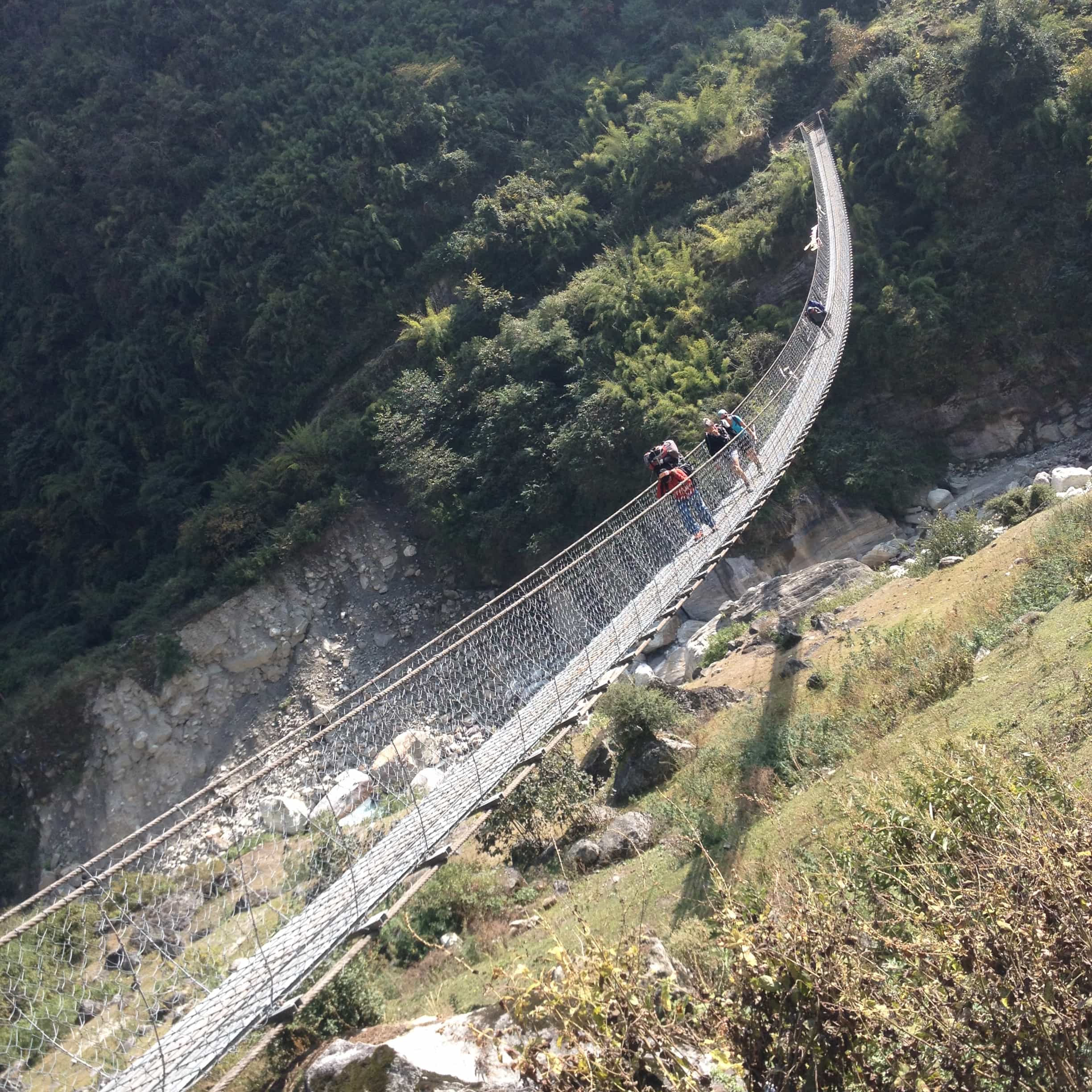
From Lukla, the trail starts, the trekkers passing through suspension bridges, river valleys, elegant villages, till you reach the bustling city of Namche Bazar, which is the headquarters of Solokhumbu district. This is the place where trekkers pause and acclimatize for a day.
The journey continues upwards by following places like Tengboche, Dingboche, and Lobuche.
Then you arrive at the Everest Base Camp (5,364 meters). From here, you are right beside the Khumbu Glacier. There is no shortcut to reach here—only trekking. To reach the Khumbu glacier, the trekkers must have patience, fitness, and good health.
Some Key Landmarks around the Khumbu Glacier
The Khumbu Icefall is the heart of the Everest region. It is surrounded by some of the most promising landmarks. Each place offers spectacular views to the visitors.
Everest Base Camp (5,364 m)—Everest Base Camp, which is the center of the attraction of the Everest region, is situated right beside the Khumbu glacier. The Khumbu Icefall is roughly 1 kilometer from the Everest Base Camp.
Khumbu Icefall—Khumbu Icefall is one of the most dangerous sections of the Khumbu glacier. The place is filled with crevasses, seracs, and continuously moving ice. Khumbu Icel Falls is located at 5486 meters at (17999 ft). It's towering in the ice blocks and deep cracks.
Kala Patthar (5,644 m) – Having an elevation of 5,644, Kala Patthar is the most popular landmark near the Khumbu Icefall. From the top of this place, the visitors will get spectacular views of Mount Everest, Lhotse, Nuptse, and Khumbu Glacier.
Lobuche – Lobuche is a high-altitude village situated just before the Everest Base Camp. It is also a popular place for acclimatization.
Tengboche Monastey - Tengboche Monastery is a spiritual landmarks situated near by the Khumbu Glacier. It is a sacred place for the Sherpa’s and Tibetan Buddhist.
Pumori – Pumori is a spectacular peak situated near the Khumbu glacier. It is a pyramid-shaped mountain. It has an elevation of 7,161 m. (23,494 ft).
Gorakshep - Gorakshep is a high-altitude settlement at 5,164 meters. It is near the Khumbu Glacier and is also the final stop for lodging and tea houses.
Dingboche - Dingboche is a spectacular village situated in the Khumbu region. It has an elevation of 4,410 meters. The trekking distance from Dingboche to the Khumbu glacier edge is 8-9 kilometers.
Challenges of Khumbu Glacier
The Khumbu Glacier is one of the spectacular glaciers in the Himalayas, but it faces several environmental challenges. These challenges affect the climbers, the local people and the glacier itself.
Constantly Moving Ice
The glacier is constantly moving downhill with the force of gravity. This movement makes the terrain unstable and unpredictable, making it difficult to navigate.
Deep Crevasses
Deep crevasses are another major challenge of the Khumbu Glacier. These crevasses are extremely dangerous for the climbers.
They are often unstable and invisible. It is also often called “Death Trap” for the trekkers.
Unstable Seracs
The blocks of ice called seracs can collapse at any moment. Therefore, it is the major hazard of this region.
Avalanches
Avalanches are an additional threat that climbers have to face while crossing the Khumbu glaciers. In 2014, a total of 16 Nepali climbers from the Sherpa community died due to a devastating avalanche.
Extreme Weather Conditions
The Khumbu region experiences strong winds, unpredictable weather, snowstorms, and freezing temperatures. These obstacles create huge challenges for the climbers and trekkers.
High Altitude – When you are 5,000 meters above, the oxygen level suddenly turns low. The climbers may suffer from fatigue, headache, dizziness, shortness of breath and other altitude-related health problems.
Climate Changes and Khumbu Glacier
The Khumbu Glacier is one of the most researched and studied glaciers in the Himalayas. It acts as a key indicator for climate change. Located below Mount Everest, the Khumbu Glacier has significant changes in weather and temperatures.
Rising Temperature
With a global temperature increase, the Everest region experiences a warmer atmosphere. As a result, it accelerates the melting of snow and ice, leading to gradual shrinkage and retreat of the Khumbu Glacier.
Formation of Glacial Lakes
Continuous increase in melting resulted in the formation and expansion of meltwater ponds on and near the glacier. These lakes may expand over time and increase the chances of floods and other natural disasters.
Effect on Mountaineering
Climate change has a very significant effect on mountaineering. Warmer temperatures make the ice less stable and increase the chances of crevasses opening, avalanches, and ice collapses.
Impact on Local Communities
The glacier serves a significant role in the local community. It is a source of water supplies to households and tea houses during the pre-monsoon and dry seasons.
Final Thoughts
The Khumbu Glacier is one of the most adorable and natural features in the world. It is a combination of breathtaking beauty, scientific importance, cultural significance, and several mountain stories. It is a connection to the world’s highest mountain - Mount Everest.
It also supports the ecosystem. Supplies fresh water and holds significance among the Sherpa community. Above all, it also faces severe threats from climate change and ecological pressures.
The Khumbu Glacier is regarded as one of the valuable assets of the Everest region. Preserving nature and fulfilling the desires of trekkers, climbers and mountaineers around the globe.

Leave a reply
Your email address will not be published.