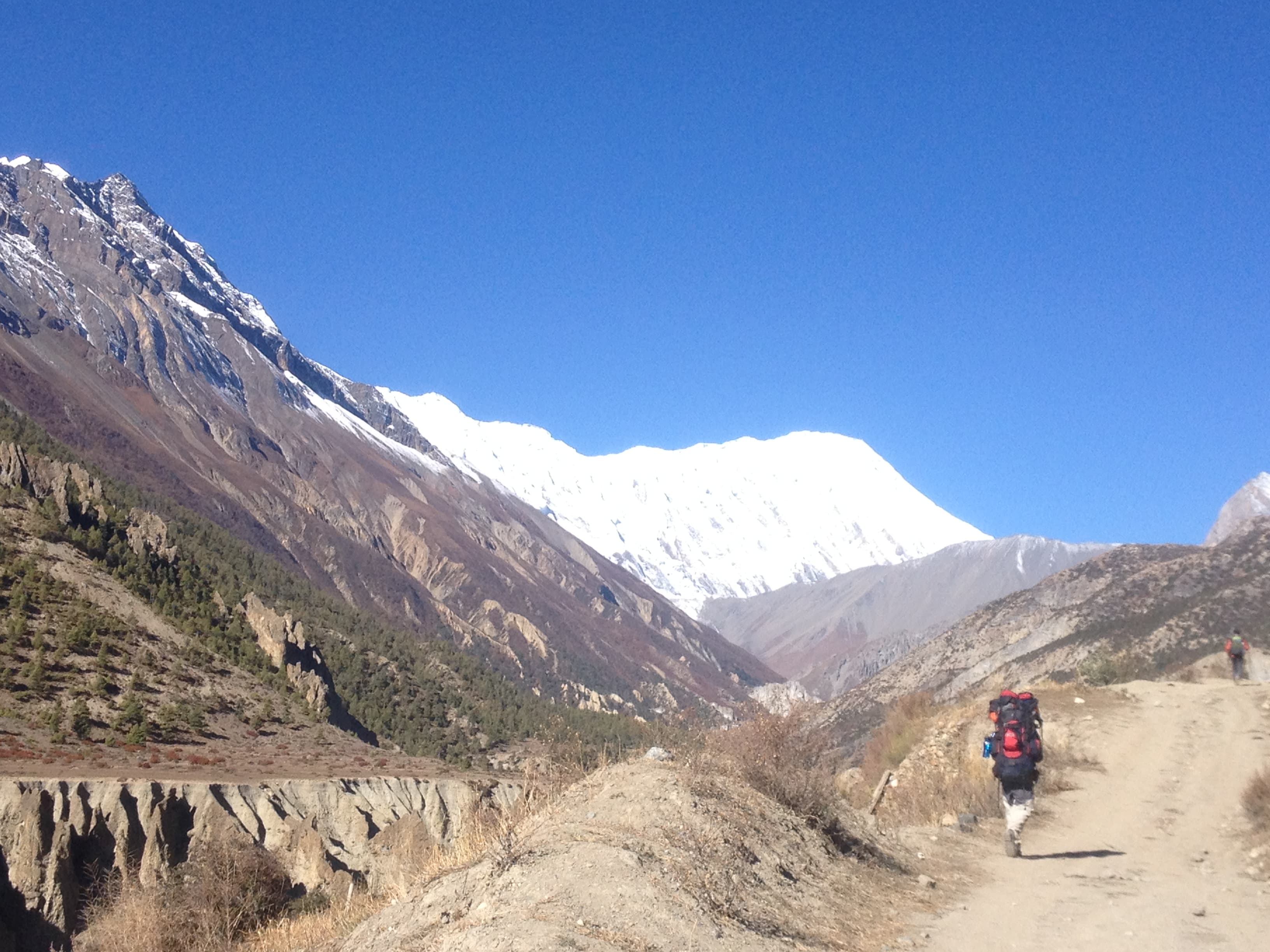
Manaslu Circuit Trekking
An Overview & Introduction
The Manaslu Circuit Trek ranks as the third most popular after the ABC and Everest Base Camp treks and one of the less crowded treks in Nepal. It is an excellent trekking opportunity for trekkers. It is one of the most rewarding and authentic Himalayan experiences in Nepal.
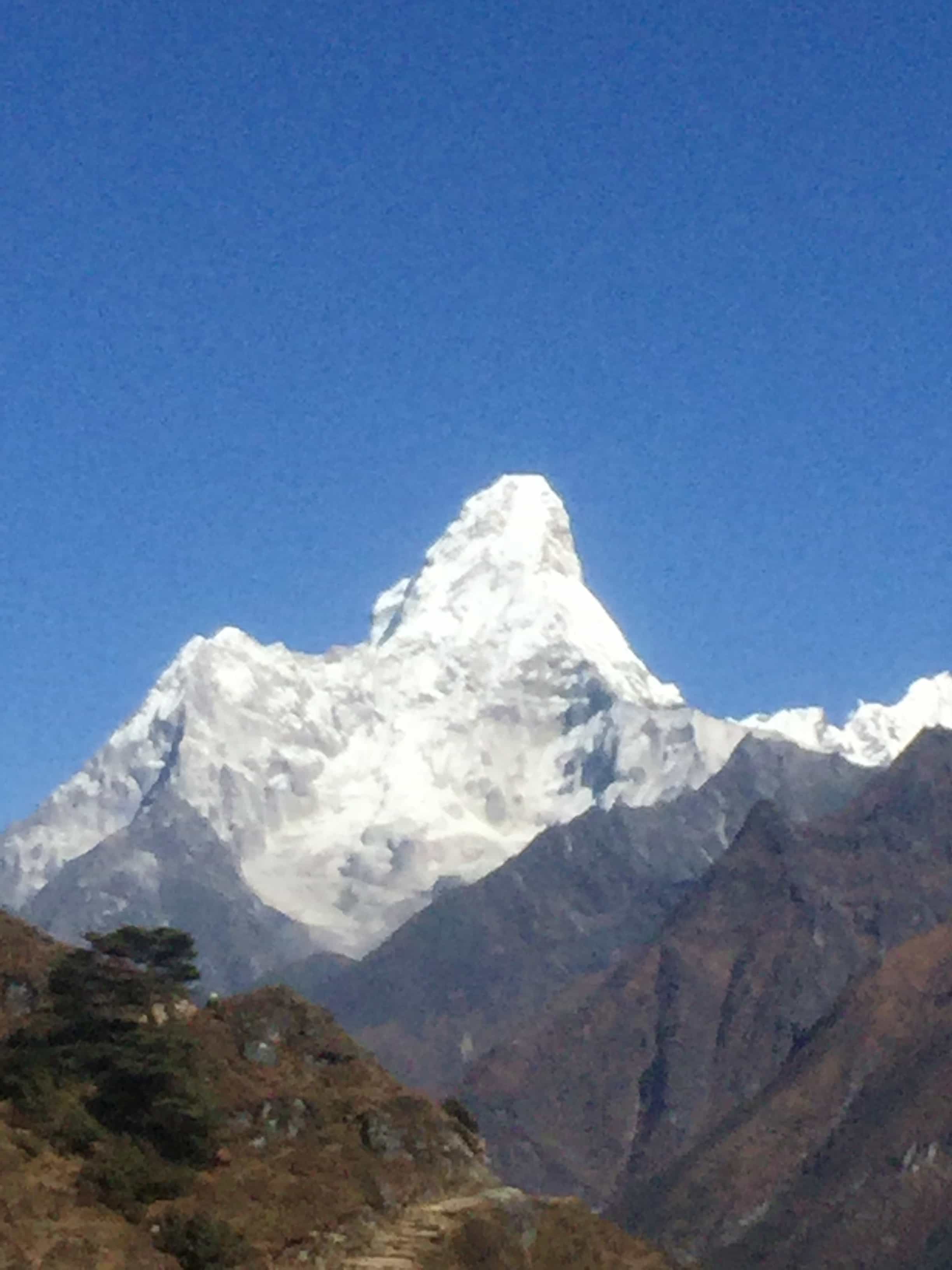
The journey offers breathtaking views of Mount Manaslu (8,163 m), Himalchuli (7,893 m), Larke Peak (6,249 m), Kang Guru (6,981 m), Himlung Himal (7,126 m), and Annapurna II (7,937 m).
The 13-day journey takes trekkers deep into one of Nepal's most remote regions. It also lets travelers interact with local communities and learn about their traditional lifestyle and culture.
Not only that… the trek features ancient monasteries, Manaslu Conservation Areas, wildlife encounters, flora & fauna, and the way to Larkya La Pass (5,160 m).
The route offers less facilities than the Annapurna and EBC trek.
The truly mesmerizing journey begins with a scenic drive to Macchakhola. From here, we will gradually climb along the Budhi Gandaki River, passing through traditional villages. At first, the trail leads us through lush subtropical forest and terraced farmlands.
Further along the trail, you will have the opportunity to learn about the lifestyle, culture and traditions of Tibetan Buddhist, especially in areas like Ghap, Lho, and Namrug. Acclimatization plays a key role on the Manaslu Circuit Trek. Therefore, we allow enough time for acclimatization along the trail.
After trekking through glacial valleys, alpine meadows, and rugged cliffs, we will reach the Larkya La Pass (5,106 m) – the highest point of the trek.
Reaching Larkya La Pass is challenging; however, the spectacular scenery from the top makes your every effort worthwhile. Then the trails take us to Annapurna Conservation Area before we conclude our trek at Dharapani, from where we take a drive to Kathmandu or Pokhara.
Trip Highlights & Significance
· Witness the breathtaking views of some of the world’s highest peaks: Mount Manaslu (8,163 m), Annapurna II, Himlung Himal, Kang Guru and Larke Peak.
· Know the lifestyle, culture & traditions of Gurung and Tibetan Buddhist communities.
· Engage & immerse yourself among the friendly and local people.
· Explore 700-year-old Pungyen Gompa – a sacred Buddhist monastery.
· Encounter diverse wildlife, including Tahr, Blue Sheep, Wild Boar, Red Panda, Musk Deer, and, if lucky enough, the Snow Leopard.
· Less commercialized but more peaceful trek
· Cross the rewarding and challenging Larkya La Pass (5,106 m) – the highest point of the trek.
· Take the opportunity to merge your trip with the Annapurna Trekking Ranges.
· Soak in the sweeping panoramic Himalayan scenery from Larkya La Pass.
What to expect from Manaslu Circuit Trek?
The Manaslu Circuit Trek offers rewarding cultural immersion, alpine scenery, and fewer crowds than the Annapurna and EBC trails.
Breathtaking Mountain scenery: The 13-day trek offers breathtaking views of Mount Manaslu, Himalchuli, Annapurna II, Himlung Himal, Kang Guru, and Larke Peak.
Less crowded, more peaceful: Compared to the Annapurna and Everest region, the Manaslu Circuit trek offers a quieter trekking experience.
Your 13-day journey will be noiseless, away from chaos and crowds.
Cultural Interactions: During the journey, you will experience a cultural transition; in the lower valley, people follow Hindu traditions. Meanwhile, in the upper villages like Sama Gaon and Samado, people follow a strong Tibetan Buddhist lifestyle.
Challenging Larkya La Pass: Cross the challenging Larkya La Pass (5,106 m) – one of the biggest highlights of the trek.
Buddhist Monasteries: The trek also introduces you to the ancient Buddhist monastery Pungyen Gompa, prayer flags, chortens, and mani walls.
Overall, you can expect peaceful & less crowded trails, an authentic Himalayan experience, dramatic landscapes, remote villages, and majestic mountain views.
Manaslu Circuit Trek outline itinerary
Day 1: Drive from Kathmandu (1324 m) to Macchakhola (890 m)
Drive from Kathmandu to Macchakhola. It will take 8-9 hours. Along the way, you will see the Trishuli River, breathtaking landscapes, terraced fields, and elegant villages.
Day 2: Trek from MacchaKhola (890 m) to Jagat (1350 m): 5-6 hrs.
The trek begins, and you follow the Budhi Gandaki River. Along the way, you will cross Khorlabesi and Tatopani. At Tatopani, you may take a hot spring and rest for a while. From there, the journey continues, passing through Dovan and Thulo Dunga, and finally Jagat.
Day 3: Jagat (1350 m) to Deng (1,860 m)
From Jagat, the trail continues through dense forest, passing through mountain villages including Sirdibas, Ghattakhola, and Philam, to reach Deng (a traditional Tibetan village).
Day 4: Trek from Deng (1,860 m) to Namrung (2,650 m):7-8 hrs
The trek passes through dense woodlands and mani stones before the trekkers arrive at Ghap. The journey takes around 7-8 hours to reach Namrung. Along the trails, your eyes will be rewarded with the majestic Himalayan views.
Day 5: Trek from Namrung (2,660 m) to Lho (3,180 m) 4-6 hrs.
The journey from Namrung to Lho passes through traditional villages like Lihi and Saho. While approaching Lho, you will also catch a glimpse of Mt. Manaslu and Simnag Himal.
Day 6: Trek from Lho (3,180 m) to Sama Gaon (3,530 m)
Lho to Sama Gaon is one of the scenic sections of the trek. You will pass through alpine terrain while enjoying the spectacular views of Mount Manaslu.
Day 7: Acclimatization at Sama Gaon
Today, the trekkers will rest at Sama Gaon. Acclimatisation helps to adjust our body for the further high-altitude trek. You can explore nearby villages, monasteries or short hikes around Sama Gaon.
Day 8: Sama Gaon (3,530 m) to Samdo (3,875 m)
You will follow the Budi Gandaki River, dense rhododendron, juniper and birch forests to Samdo.
Samdo is just 5 kilometres away from the Tibetan border. From here, you will witness the majestic views of Mt. Manaslu, Simnang, Ngadi Chuli and other Himalayan peaks.
Day 9: Acclimatization at Samdo (3,875 m)
At Samdo, the trekkers have their second stop day. You also have the opportunity to explore the Nepal-Tibet border.
Day 10: Samdo (3,875 m) to Dharamshala (4,480 m)
Today you will gain around 600 meters in elevation. The trail continues towards Dharamshala, popularly known as Larkya Phedi. We spend a night at a tea house.
Day 11: Dharamshala to Bhimthanag (3, 720 m) via Larkya La Pass (5,106 m)
This is the most thrilling and challenging day of the Manaslu Circuit Trek. The trekkers will cross Larkya La Pass (5,106 m); the highest point of the trek.
We will start early in the morning. The trail becomes rocky and slippery as you approach the Pass.
After reaching the summit, the trekkers will witness panoramic views of Mt. Manaslu and the surrounding Himalayas.
Then, we will descend to Bhimthang for an overnight stay.
Day 12: Bhimthang (3,720 m) to Dharapani (1,860 m)
This is the last day in the Manaslu region. We will pass through pine and rhododendron forests, and some settlements like Karche, Gho and Tilije to reach Dharapani.
Dharapani marks the beginning of the Annapurna Circuit Trek and the end of the Manaslu Trek.
Day 13: Drive to Kathmandu or Pokhara
Depending on the itinerary, you can drive to Kathmandu or Pokhara. Here, our 13-day Manaslu Circuit Trek journey comes to an end.
Manaslu Circuit Trek Difficulty
The Manaslu Circuit is a moderate-to-strenuous trek. It is challenging but doable for trekkers. It doesn’t demand technical climbing or mountaineering skills. However, it is more difficult than the ABC trek and Everest Base Camp because of the high pass and remoteness.
The journey takes you above 5,100 meters above sea level. It also includes consecutive days of walking. Gaining altitude is also challenging. The trail ascends from 700 m to 5,000 meters.
However, like the Everest Base Camp and Annapurna routes, you will not find sometime comfortable lodges, private rooms, or modern amenities. It is a remote trek. You will have to stay with fewer facilities.
Here are the main difficulties of the Manaslu Trek.
· Consecutive walking days
· Rugged terrain
· Steep ascents and descents
· Changing weather
· Larkya La Pass
· High-Altitude gain (700 to 5,100 m)
· Accommodation with fewer facilities
Remember: never underestimate the altitude, and physical preparation is important.
Plan & Preparations of the Trek
Thoughtful preparations and adequate planning are essential for the Manaslu Circuit Trek. This is not one of the short treks around Kathmandu which you can complete without preparation.
Physical Fitness & Training: The journey requires a high level of fitness. Better focus on physical stamina and endurance. If you are a beginner, start your physical training at least 7-8 weeks before the trip. Engage in cardio exercises like swimming, jogging, and running. Practicing hiking with a loaded backpack will be fruitful.
Mental Preparation: Your mental endurance will help you manage tough moments on the trek. Therefore, practicing yoga and meditation will improve focus and concentration; helping you stays calm and enjoys a peaceful trek experience.
Be ready for high altitude: The trail reaches above 5,000 meters. So, altitude preparation is important. Follow a gradual pace, get proper rest, and avoid rushing.
Travel Insurance: Travel insurance is mandatory. It covers emergency evacuations and further helps in other medical emergencies.
Gear and Equipment: You will need appropriate gear and equipment for the trek. It includes warm jackets, hiking boots, sleeping bags, sunglasses and more.
Travel Documents and Permits: You will need several permits to enter the Manaslu Conservation Area. Make sure all your permits, travel arrangements and other essential documents are ready before you start the journey.
Is this trek achievable for beginners?
The first question that might come to mind is whether first-time trekkers can accomplish the Manaslu Circuit Trek. The answer is a big yes.
The Manaslu Circuit Trek is challenging, which demands a good level of physical fitness and mental resilience. You don’t need to be a mountain expert or technical trekker. That doesn’t mean you should underestimate the Manaslu trail.
Because the trek involves consecutive walking days, rugged terrain, and a high-altitude mountain pass.
Remember: as a beginner, you'd better focus on your physical fitness; thoughtful planning is also necessary. Start physical training and activities, including swimming, jogging, and running, at least 7-8 weeks before the trek.
Preventing Altitude Sickness
The biggest risk of the Manaslu Trek is altitude sickness, not the terrain. The itinerary built by the Sunrise Adventure Trek follows the principle “climb high, sleep low."
Here are important points.
· Walk at a slow & steady pace, ascend gradually, and avoid rushing.
· If you have any symptoms of headache, dizziness, or shortness of breath, inform your trekking guide.
· Never ascend if you experience any major symptoms of altitude sickness.
· Stay hydrated; Drink plenty of water throughout the trek; at least 3-4 liters per day.
· It is a high-altitude remote trek; avoid smoking and alcohol during the trek.
· Consider Diamox (Acetazolamide); it can reduce the risk of altitude sickness.
Why Trek to Manaslu Instead of Everest or Annapurna?
Manaslu, Everest, and Annapurna are among the top trekking destinations; each offers a unique Himalayan experience.
Here are the strong reasons to choose the Manaslu Trek over Everest and Annapurna.
Less Crowded & Peaceful: One of the main reasons to choose the Manaslu Trek is its quieter trails and fewer trekkers. Because it is a restricted area, there will be fewer trekkers than in the Annapurna and Everest regions.
Everest and Annapurna are packed, especially in the autumn and spring. In contrast, Manaslu offers a serene and peaceful atmosphere.
Authentic Culture: Another major advantage is its rich culture. The trail passes through Tibetan Buddhist villages, especially valleys like Samagaon and Samado, where you can explore monasteries, prayer flags, mani walls and more.
Breathtaking Mountain Views: Similar to Everest and Annapurna Circuit treks, the Manaslu Circuit trek also offers spectacular mountain views. The trek offers breathtaking views of Mount Manaslu (8,163 m), Annapurna II, Himlung Himal, Kang Guru and Larke Peak.
Larkya La Pass: For adventure lovers, Crossing Larkya La Pass is one of the main highlights of the trek. From the top, you will witness snow-capped Himalayan giants and deep glacial valleys.
Remote Himalayan Experience: While commercialised treks like Annapurna attract thousands of trekkers, the Manaslu Circuit Trek is less commercialized and offers a remote and peaceful Himalayan experience away from chaos.
Ideal Seasons for the Manaslu Circuit Trek
Spring and autumn are excellent seasons for the Manaslu Circuit Trek. Here are the details.
Spring (Mar-May): When you trek in spring, you will find the weather mild and comfortable. Furthermore, the red, pink and white rhododendrons along the trail will amaze you. It is also an excellent time for photography.
Autumn (Sep-Nov): Autumn is the peak season of the Manaslu Circuit Trek. The monsoon has ended. The skies are clear, and the visibility is outstanding. You will be delighted to see the excellent mountain views. In the autumn season, especially from late September to October, the permit fee is higher than in other months.
Winter (Dec-Feb): It is possible to trek in winter. However, temperatures can be extremely cold at the higher elevations. Heavy snowfall may disrupt your trekking plans. Therefore, experienced trekkers are advised to undertake this trek, while beginners should avoid this season.
Monsoon (Jun-Aug): Not recommended. Due to the continuous rainfall, the trail also becomes muddy and slippery. Furthermore, there is also a chance of landslides and floods.
Accommodations on the Manaslu Circuit Trek
Accommodations along the Manaslu Circuit Trek will be simple and basic. Actually, it is a teahouse trek.
At lower elevations, accommodations and staying will be comfortable. However, you will have fewer facilities at higher elevations.
Trekkers will spend their nights in teahouses and family-run lodges. The teahouse offers basic beds, mattresses, blankets, and shared squat toilets.
Hot showers, Wi-Fi and electricity are limited or available for an additional cost at the higher elevations.
Since autumn and spring are the peak seasons of the Manaslu Circuit Trek, early booking is recommended to secure accommodation.
Food & Meals along the Trail
The Dal Bhat: Rice, lentils, vegetable curry, and pickle are the most popular meal along the trekking route of Manaslu. The food is highly nutritious, which energizes you for long consecutive walking days.
Besides Dal Bhat, you will have several options including: Mo:Mo, Chowmeen, Pastas, Thukpa, Sandwiches. At the higher altitudes, you have to rely on potato dishes and soups. Therefore, carrying wafers, nuts, energy bars, and dark chocolates will be useful for the trek.
Breakfast: During the journey, you will have breakfast, including Tibetan bread, porridges, egg items, muesli, toast, and pancakes, depending on the altitude.
Manaslu Circuit Trek Packing List & Essential Tips
Here is a complete packing list for the Manaslu Circuit Trek.
Clothing (Layering)
· Thermal Base Layer Bottom
· Down Jacket
· Windproof Jacket
· Fleece Jacket
· Trekking Pants
· Woolen Pants
· Comfortable gloves
· Sun Hat/Cap
· Thermal Underwear
· Thermal Bra (women’s)
Foot Wear
· Comfortable trekking boots
· Lightweight shoes
· Hiking socks
· Sandals for evenings at tea houses.
Sleeping Gear
· Sleeping Bag Liner
· Sleeping Bag
· Travel Pillow
· Ear plugs
· Eye Mask
Trekking Essentials
· Trekking poles
· Backpack
· Daypack
· Water bottles
· Head Lamp
· Water bottles
· Water purification tablets
Other Essentials
· SPF Cream
· Sun glasses
· Lip balm
· Toiletries
· Wipes
· Basic first aid kit
· Personal medications
Electronics Items
· USB Charger
· Portable Power Bank
· Camera
· AirPods (personal choice)
Snacks
· Energy Bars
· Dark Chocolates
· Nuts
· Dried Fruits
· Biscuits
Documents
· Passport and Photos for permits
· Trekking Permits
· Nepali cash in small denominations (ATM are unavailable above Namche)
· Travel Insurance (mandatory).
Safety Tips
· Avoid carrying unnecessary items, as you need to walk for two weeks.
· This is a restricted area; solo trekking is not allowed. You are required to trek with a licensed guide.
· ATM facilities are unavailable in the remotest region. Therefore, carry sufficient cash in NPR.
· Check all necessary gear, documents, and permits before departure.
· Stay hydrated throughout the trek.
Manaslu Circuit Trek Permits
Since it is a restricted area, the trekkers need at least four permits. Here are all the details.
Manaslu Restricted Area Permit (RAP): This is the main permit to enter the Manaslu region. The price varies by the season. During autumn, it costs $100 per person for 7 days, and an additional $15 per person from the 8th day.
Manaslu Conservation Area Permit (MCAP): This permit is mandatory to enter the Manaslu Circuit Trek route. It costs 3,000 (30 USD) for foreigners and 1000 NPR for SAARC nationals.
Annapurna Conservation Area Permit (ACAP): Trekkers need an ACAP permit because they exit through the Annapurna Conservation Area. It costs 3,000 (30 USD) for foreigners and 1000 NPR for SAARC nationals.
Tsum Valley Permit: If you add the TSUM valley trek to your itinerary, you need to pay an additional permit fee.
You can obtain these permits from the Nepal Tourism Board by submitting your essential documents. Remember: The TIMS Card is essential, but not mandatory.
Extra expenses during the Manaslu round trek
After buying packages from Sunrise Adventure Trek, you will get almost everything that you need during the tour. However, some additional expenses you have to bear yourself.
Drinking water: Packaged drinking water is costlier in the upper valleys. Use a reusable water bottle and water purification tablets to minimize the expenses.
Hot Showers: Hot Showers are available at several tea houses, with some additional charges at higher elevations.
Wi-Fi and Charging: You may have to pay for Wi-Fi and charging services, especially in the remote villages.
Snacks and Drinks: Chocolates, energy bars, alcohol, and other beverages are generally not included in the packages.
Personal Expenses: Budget separately for shopping, laundry, phone calls and other personal requirements.
We’ll provide you with a free SIM card for browsing data while you trek. However, you need to return it after the journey is completed.
Frequently Asked Questions (FAQ) of Manasalu Circuit Trek
I’m a beginner. Is the Manaslu Circuit Trek possible for me?
Yes, it is tough but not impossible for a first-time trekker. With good physical fitness, you can complete the trek. However, preparation, acclimatization, and a steady walking pace are also essential.
How difficult is the Manaslu Circuit Trail?
The Manaslu Circuit Trail is considered a moderate-to-strenuous high-altitude trek. Although the trek doesn’t demand technical or mountaineering skills, it is physically challenging due to the consecutive days of walking, high altitudes, and uneven, rugged mountain trails.
Are permits necessary for the trek?
Yes, you require three permits: Special Restricted Area Permit (RAP), Manaslu Conservation Area Permit (MCAP), and Annapurna Conservation Area Permit (ACAP).
How many days does the Manaslu Circuit Trek take?
The Manaslu Circuit Trek takes around 12 to 18 days. The journey depends on the itinerary, routes, acclimatization, and walking pace.
What is the highest point of the Manaslu Circuit Trek?
The Larkya La Pass, approximately 5,106 meters (16,752 ft.), is the highest point of the trek.
Which months are best for the Manaslu Circuit Trek?
Autumn (Late September –November) and March to May (Spring) are the ideal seasons for the Manaslu trek. Both seasons offer excellent weather and panoramic mountain views.
Do I need a guide or porter for the trek?
The Manaslu region is a restricted trekking area. Hiring a porter is optional, but a licensed guide is mandatory for trekkers.
Final Thoughts
The Manaslu Circuit Trek offers something rare in Nepal: authentic Himalayan experiences, ancient monasteries, remote region walking, diverse landscapes, and rich local culture.
From the dramatic Larkya La Pass, close-up views of the world's eighth-highest peak are just incredible.
The 13-day trek can be physically demanding. With the right preparation, permits, an experienced guide, smart acclimatisation, and proper gear, it will be achievable for anyone.
So, why are you waiting? Just book the Manaslu Circuit Trek with Sunrise Adventure Trek—where you will find fewer crowds, peaceful trails, and incredible Himalayan scenery.

Leave a reply
Your email address will not be published.