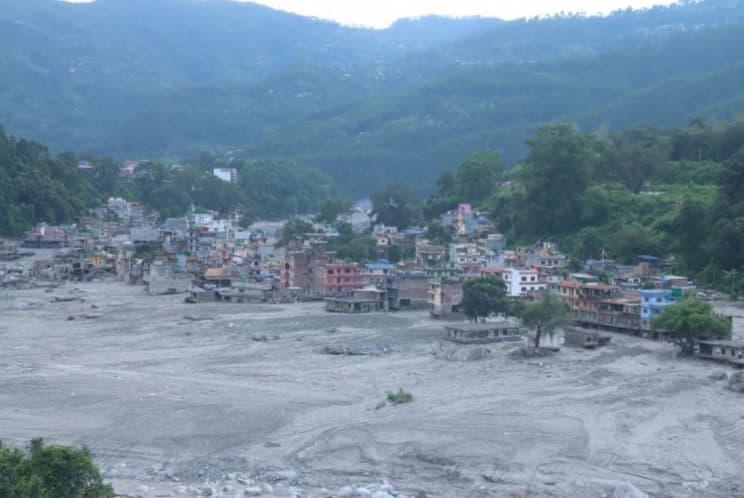
Nepal–Tibet Massive Floods: Devastating Disaster
“More than 2502 people are missing—including 592 foreigners, 752 of people have been confirmed dead.”
A Peaceful Morning Shattered by Sudden Disaster
A calm morning in Nepal's Rasuwa turned into a devastating disaster on August 26, 2026, as sudden floods surged through the Bhotekoshi River.
The sky was quiet, and officials had not issued any flood warnings. There was not even any rain at the Nepal-Tibet border. Then, around 8:40 a.m. local time, a powerful surge of water, mud, ice and rocks thundered down the Lhende Khola river valley, and within a minute, everything was unrecognizable.
The massive flow of water swept away homes, roads, bridges, hydropower projects, vital infrastructure & constructions. More than 2502 people are reportedly missing, and 752 people have been confirmed dead, and more than 10,000 people are still missing. Those numbers are just official figures, with many people still missing; the disaster may be much more devastating.
Exactly, what happened in the Nepal-Tibet flash flood?
The disaster was not triggered by the monsoon rainfall. The flood entered Nepal through Rasuwa around 8.00 to 9.00 PM on August 30, 2026, and rapidly swelled the Bhotekoshi River, destroying settlements and damaging vital infrastructure along its way.
The most affected areas are Rasuwa, Timure, Betrawati, and Syabrubesi. The flood continues downward towards the Trishuli River, creating a risk of disrupting other districts further.
The disaster was particularly devastating; there was no rainfall in the affected areas. Eyewitnesses have described the flood as terrifying and horrible, giving people little time to escape. Videos circulated on social media showing entire buildings, vehicles, countless assets, roads, and bridges all being churned by water. Furthermore, the crushing floodwaters badly damaged the Rasuwagadhi Border—a significant gateway for Nepal-China trade & tourism.
What we know and what we don’t know—the possible causes of devastating floods
The powerful torrents of water swallowed the people, villages, towns, roads, bridges, & infrastructures.
Experts are still investigating the exact cause of the flood. However, early scientific and official assessments suggest that the disaster may have been triggered by a sudden release of water, ice, and debris from the high-altitude Himalayan region.
Initial reports suggested the flood may have been caused by an earthquake, but later investigations suggested that the disaster was more likely triggered by the sudden collapse of glaciers.
Here are some significant points that researchers and experts identified.
· Ice-rock avalanche or glacial collapse
· Temporary obstructions along the Lhende Khola
· Large amount of ice, rock and debris
· Glacier thinning and destabilization.
Major Areas Affected by the Flood
The destructive flash flood severely affected Rasuwa, Timure, Rasuwagadhi and Syabrubesi.
Timure and Rasuwagadhi – A flash flood hit roads, settlements, bridges and customs offices, as well as nearby construction in Timure and Rasuwagadhi.
Syabrubesi – The flood caused heavy damage to homes, settlements, markets, and local infrastructure in Syabrubesi. Furthermore, it is also the gateway to the Langtang Trekking region.
Trishuli Bazar – Floodwaters travelled downwards, damaging and destroying the settlements, markets, hotels & resorts along the river system.
Besides this, Nuwakot and Dhading are also the worst-hit areas from the flood.
Flood damages to Settlements, Roads, Bridges, Construction Sites & Hydropower projects
The devastating Rasuwa flood, originating in Tibet, tore through the Rasuwagadhi, Timure, and Syabrubesi before surging downstream along the Trishuli River.
The flood damaged Settlements, Roads, Bridges, Construction Sites, Hydropower projects and other vital infrastructure.
Homes and Settlements
The devastating flood caused heavy destruction to homes and settlements. Early estimates indicate that 100-plus houses were swept away in the Trishuli Bazar area, although the overall extent of damage is still to be assessed. More than 10000 people from the villages and local market are displaced, and hundreds remain unaccounted for, including tourists, the army, police, hydropower employees, and locals. Meanwhile, authorities are still cross-checking the data and trying to determine the figures clearly and precisely.
Roads & Bridges
The Rasuwa floods completely damaged the road connecting Betrawati and Rasuwagadhi via Mailung and Syabrubesi. Reports indicate that 150 kilometers of road were severely damaged, which badly affects transport and rescue operations. Furthermore, it also disrupts the significant trade & transport corridor between Nepal & China.
The devastating flood severely damaged all connecting bridges along the Bhotekoshi and Trishuli corridor. It cut off all the vital transportation and communication links. So Prithivi Highway has been blocakge aftyer the landslide on 30 August.
More than 41 bridges have been swept away in Dhading, Rasuwa & Nuwakot.
Construction and Border Sites
The catastrophic flash flood destroyed the construction and border infrastructure of the Rasuwa-Tibet border corridor. It also swept away ongoing projects around Timure and Rasuwagadhi. Furthermore, the Miteri Bridges and border crossing infrastructure were severely damaged, cutting off transportation and cross-border trade between Nepal and Tibet.
Hydropower Projects
The energy sector took a major hit. It damaged significant hydropower projects along the Bhotekoshi and Trishuli River corridor.
In Rasuwa, the operational projects like Rasuwagadhi, Chilime, Sanjen Khola, and Langtang Khola were affected, with around 236 MW of electricity generation temporarily out of operation. Meanwhile, the flood also damaged the ongoing hydropower projects Upper Trishuli-1, Rasuwa Bhotekoshi and Upper Mailung-A. So it's a huge economic impact and the loss of the human lives.
Humanitarian Crisis after the Devastating Flood
The devastating flash flood created a severe humanitarian crisis, particularly in Rasuwa and nearby areas. Thousands of people have been affected, losing their family, lives, homes, property, and more.
The survivors require
· Shelters and Relief Centres
· Safe Drinking Water
· Food and Emergency supplies
· Proper Medical Treatment
· Sanitation Facilities
· Transportation
· Search and Rescue assistance
In severe conditions, the Nepal government has prioritized search-and-rescue operations. Furthermore, the emergency medical team has also been working in the affected areas. Above all, Nepal Police, Nepal Army, Armed Police Force (APF), Nepal Red Cross, Scouts, and UN agencies are working 24/7 to rescue flood victims.
Economic Consequences of the Nepal-Tibet Flood
The Nepal-Tibet floods have created a severe economic crisis. It affects trade, business, and economic activity.
Trade Disruption – The Gyirong Port played a key role in Nepal-China trade and was destroyed along with the bridge, customs offices and police station.
Hydropower losses – Nepal lost its major hydropower projects, including Rasuwagadhi, Chilime, Trishuli 3A, Devighat substations, and more.
Infrastructure Damage - Thousands of homes, private properties, hotels, commercial lands, government offices, bridges, and 150 kilometers of roads have been damaged and destroyed.
Businesses around the Timure area have lost their income and are likely to face financial difficulties for several months. It has also affected the cross-border supply chains.
An estimated $5 to $6 billion is required to rebuild devastated communities and infrastructure.
Government Flood Response and Rescue Operations
The Nepal government is mobilizing funds for the rescue operations affected by the Bhotekoshi flood.
More than 20 billion in funds have been mobilized from the current fiscal year budget for emergency rescue, relief and disaster response.
· The Nepal Army, Nepal Police, and Armed Police Force (APF) have been deployed for search, rescue, and relief activities across the affected areas.
· The Nepal Army and the National Disaster Risk Reduction Management Authority accompanied and supported the emergency medical teams, Scouts, and Nepal Red Cross.
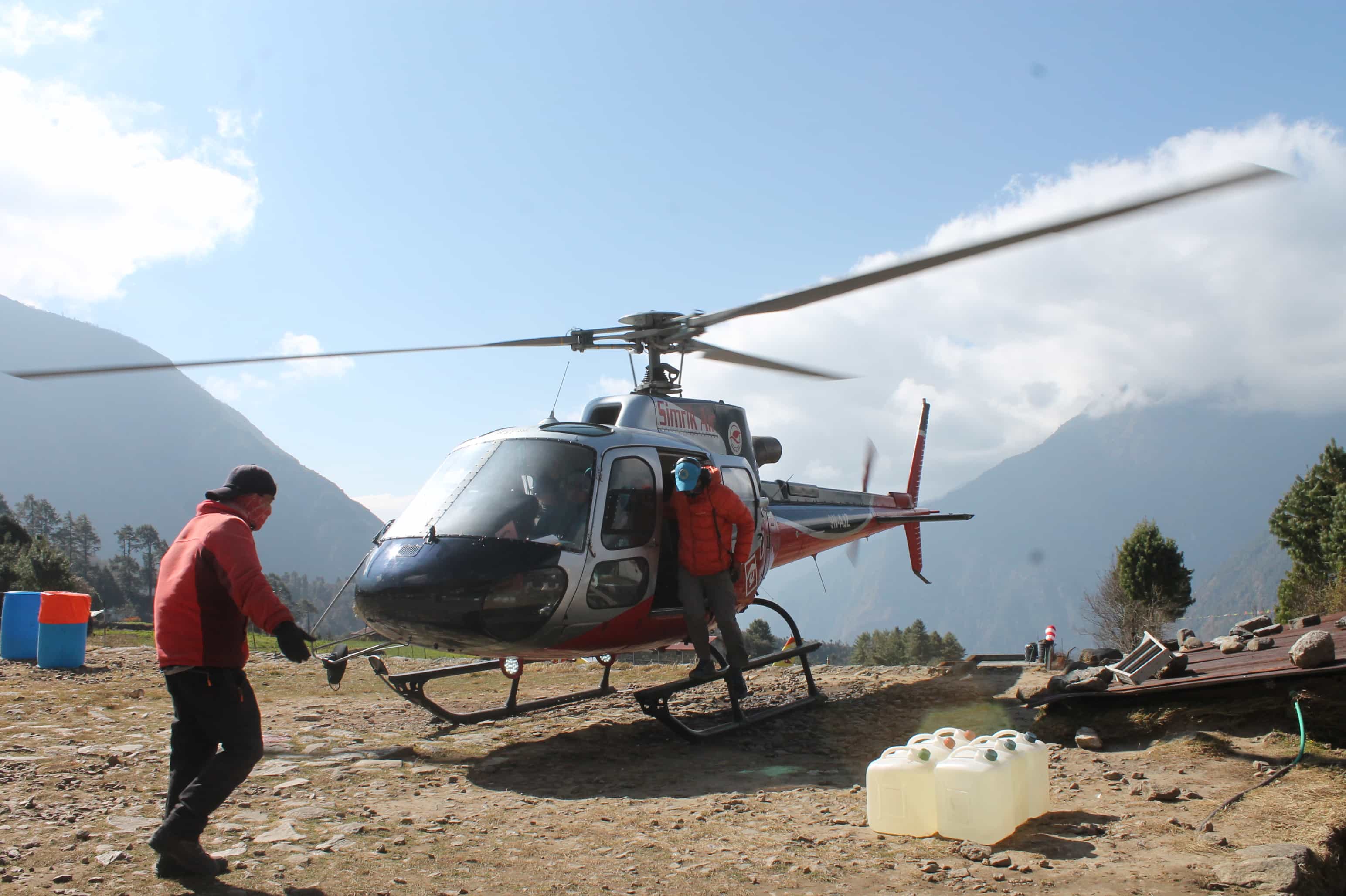
· All army helicopters worked in the affected areas, and private helicopters were put on standby.
· The government has appealed for contributions to the PM – Prime Minister Disaster Relief Fund. The fund is managed by the government to provide financial support for Emergency relief, rescue missions and post-disaster rehabilitation. To date, the total balance has reached more than $4 billion USD.
· The Ministry of Home Affairs has activated the Disaster Rescue & Help Hotline number (1234), which is available in all 77 districts.
· Opposition parties have also stepped up their response to the devastating flash flood and agreed to work together with the current RSP (Rastriya Swatantra Party) for rehabilitation, relief & rescue operations.
International Financial Assistance & Global Support
Following devastating floods that killed 752 people and left over 5000+ missing across Nepal, the UN, WHO, the World Bank, the Indian Government, and other partner institutions have provided emergency funds, financial assistance and delivered disaster relief materials to support Nepal.
India – India, Nepal's neighboring country, provided more than 68.5 tons of disaster relief materials, including temporary shelter, tents, blankets, hygiene kits, solar lamps, generator sets, kitchen sets, and more.
China – China also coordinated disaster relief supplies and financial support after the disaster.
USA – US President Donald Trump announced $5 million in aid after the deadly flood.
UK – The UK government also announced £5 million (around US$6.8 million) in aid to support Nepal.
United Nations (UN) – United Nations agencies and partners have also mobilised assistance to support Nepal in the aftermath of the flood.
World Bank - The World Bank has also offered $25 million to support Nepal.
UNICEF - UNICEF appeals for $17 million to deliver a response for the people affected by the disaster.
Besides this, the Nepal Red Cross Society, Nepal Scouts, and other volunteer groups are active in rescue operations and emergency support.
Impact of Flood on the Chinese-Side Border
Yes, the Tibetan/Chinese side Border has also been affected by the Nepal-Tibet massive floods, particularly around Gyirong Port (Kerung).
The border infrastructure has been destroyed, including transport routes and the facilities around the port.
Reports indicated three confirmed deaths, and more than 600 people are still missing.
“President Xi Jinping has called for intensified rescue efforts in Gyirong Port and surrounding areas.”
Flood Disruptions to Tourism and Trekking Industry
The devastating flash flood in Nepal in 2026 has severely disrupted the Nepal Tourism and Trekking industry, leaving 100 travelers unaccounted for.
Nepal’s tourism & trekking industry was entering the peak autumn season (September–November). However, the flash floods disrupted tourism activities and discouraged tourists.
“Our tourism depends on mountains,” said environment expert Vijay Kumar Singh. “There are also associated risks that need to be properly assessed to help prevent future disasters.”
The torrent flood affected the tourism and trekking industry, particularly in Rasuwa, Timure, Syabrubeshi, and BhoteKoshi areas. However, travelling to Tibet via the Kerang province border has total blockage, and the Langtang trek is okay to visit.
Syabrubesi is also the primary valley of the Langtang Region Trek.
The disaster has directly affected the trekkers, devotees, and international tourists. Hundreds of tourists travelling towards Gosaikunda and Kailash Mansarovar are out of contact and still search and research is going on.
Furthermore, the devastating floods also affected hotels, resorts, local businesses, guides, and trekking agencies.
Have similar flash floods occurred before? A repeated flood threat in Bhotekoshi
Yes, this is not the first time Bhotekoshi has faced a flash flood. Before the August 2026 disaster, the Bhotekoshi River and the Rasuwa-Tibet border experienced similar glacier and flood events in 2025 and 2016.
On 8 July, 2025, a similar flash flood triggered by the Lende Khola eventually surged into the Bhotekoshi, killing 9 people whose bodies were recovered from Rasuwa, Nuwakot, Chitwan, and Dhading districts. “Meanwhile, 19 individuals are still missing, among them government officials, police personnel, and Chinese nationals.”
The 2025 flash flood swept away the Miteri Bridge, a crossing link between Nepal and China. Notable losses also include large sections of Rasuwagadhi Dry Port and three hydropower projects.
Besides this, several trucks, containers, and electric vehicles awaiting customs clearance were swept away by the floodwaters.
In addition, 20 kilometers of road between Syafrubesi and Rasuwagadhi became completely impassable, disrupting trade and transportation. The flood also caused huge economic damage, resulting in billions of dollars in losses.
Risk of Further Flooding
The devastating flood has destroyed Nuwakot, Dhading, Rasuwa and other areas. Tears, sorrow, and grief are everywhere across Nepal.
The flash flood has killed hundreds of people, and 3,000 are still missing as of now. The most terrifying aspect is that the disaster has not ended yet.
Authorities have issued a high-risk flood alert after the formation of a fragile debris-dammed lake upstream near the Nepal-Tibet border.
There is a possibility of heavy rainfall that could add millions of additional cubic meters to the lake. Furthermore, Nepal's National Disaster Risk Reduction and Management Authority (NDRRMA) and Chinese officials have urged residents, travellers, and rescue workers to stay away from vulnerable areas of the Trishuli and Bhotekoshi river systems.
How many people have lost their lives so far?
As of August 30, 2026, at least 752 people have lost their lives following the flash flood that swept through the affected areas. The sudden disaster caused a huge loss of life, particularly along the Bhotekoshi River and Trishuli River corridor. Thousands of death bodeis are missing, and those found bodies are unidentified.
The death toll has continued to rise. The rescue teams are working determinedly and making significant progress.
On the Tibetan side, Chinese officials have reported 100 plus deaths.
In just a few days, the confirmed death toll has moved roughly from 353 to 470 to 540 to 617-680 so far.
The disaster also caused the loss of precious lives of foreign nationals. People from more than 30 countries are affected, including trekkers, travellers, and pilgrims.
The search for missing people continues…
According to the Nepal Disaster Risk Reduction and Management Authority (NDRRMA), more than 2,500 people are still missing along the Nepal-Tibet border.
Earlier, the Nepal Tourism Board (NTB) also reported missing citizens from Malaysia, Canada, India, Ukraine, Australia, the United Kingdom, Germany, Spain and other countries.
The families are still waiting to get information about their missing relatives, while the search for missing people continues. The rescue teams are working tirelessly to find the missing people.
Injured victims and medical response
More than 4,500 people were successfully rescued following the devastating Nepal-Tibet flood.
As of August 30, 2500 people have been injured and are receiving medical treatment in several hospitals in Nepal, especially in Kathmandu.
The medical teams are airlifting seriously injured people to hospitals in Kathmandu Valley because the road transport was damaged in several areas.
By Sunday afternoon (August 30), more than 239 injured victims were airlifted to Kathmandu for medical treatment.
Because of rescue and evacuation operations, the number of injured is increasing for medical assessment.
Here are the 13 authorized hospitals managing the injured people from the Nepal-Tibet Flood.
ü Bir Hospital, Mahabouddha
ü National Trauma Center, Mahabouddha
ü IOM, TU – Maharajgunj
ü Nepal Medical College
ü Shree Birendra Sainik Hospital, Chhauni
ü APF Hospital, Balambu
ü Norvic International Hospital, Thapathali
ü Green City Hospital, Chakrapath area
ü Grandi International Hospital, Dhapasi
ü Hams Hospital, Dhumbarahi
ü Manmohan Memorial Hospital, Swayambhu
ü Manmaiju Hospital, Tarakeshwor
ü Prasuti Maternity Hospital, Thapathali
Frequently Asked Questions (FAQ)
When did the devastating Nepal-Tibet flash flood strike?
The devastating Nepal-Tibet flash flood struck on the morning of August 26, Wednesday, around 8.40 A.M
Which areas of Nepal were mostly affected by the flood?
Rasuwagadhi, Timure, Syabrubesi, and Trishuli Bazar are the most affected areas by the flood. The flood also affected Muglin, Narayanghat, Betrabati, Nuwakot, Dhading and Chitwan districts.
How many people have lost their lives so far?
The death toll has continued and the rescue teams are working tirelessly in the affected areas. Authorities’ reports indicated fatalities on both sides (Nepal & Tibet), while some casualties remain unaccounted for.
How many people are still missing after the flood?
A large number of people are still missing particularly in the affected areas after the catastrophic flash flood struck Nepal-Tibet border region.
Did the flood damages the Hydropower projects?
Yes, the devastating 2026 flood damages the several hydropower projects including Rasuwagadhi, Chilime, Trishuli 3A, Devighat substations, and more.
Is there any risk of further flooding?
Yes, there is a high risk of further flooding along the Nepal-Tibet border. The National Disaster Risk Reduction and Management Authority (NDRRMA) have issued high alert warnings along the Trishuli River and Bhotekoshi corridors.
Conclusion and Safety Reminders
The Nepal-Tibet massive floods 2026 have one of the most devastating disasters in Nepal. The disaster begins with the sudden surge in the BhoteKoshi River and tore through Rasuwa, Timure, Syabrubesi, Dhading, Trishuli, Chitwan and Nuwakot. The flash flood destroyed houses, settlements, roads, bridges, hydropower stations and other significant infrastructures.
More tragically, the disaster causes a big loss to humanity, with hundreds of people and many people are still missing as rescue operation continuing in the affected areas.
The tragedy serves a lesson to us: better preparedness and quicker response protect us from future Himalayan disasters.
Here are vital safety reminders for residents and visitors.
Stay away from river banks, gorges and low-lying areas of the affected region.
Postponed your travel plans around Galchi-Nuwakot-Rasuwa-Trishuli-Syabrubesi
Rely on National Disaster Risk Reduction Management Authority and Nepal Police rather than other sources.
If your family, relatives, friends, or any contacts in the following numbers.
Nepal Police: 100
Armed Police Force (APF): 1114
Ambulance: 102
District Emergency Operation Center (DEOC): 123
Ministry Home Affairs – 1112
Emergency Hotline – 1234

Leave a reply
Your email address will not be published.