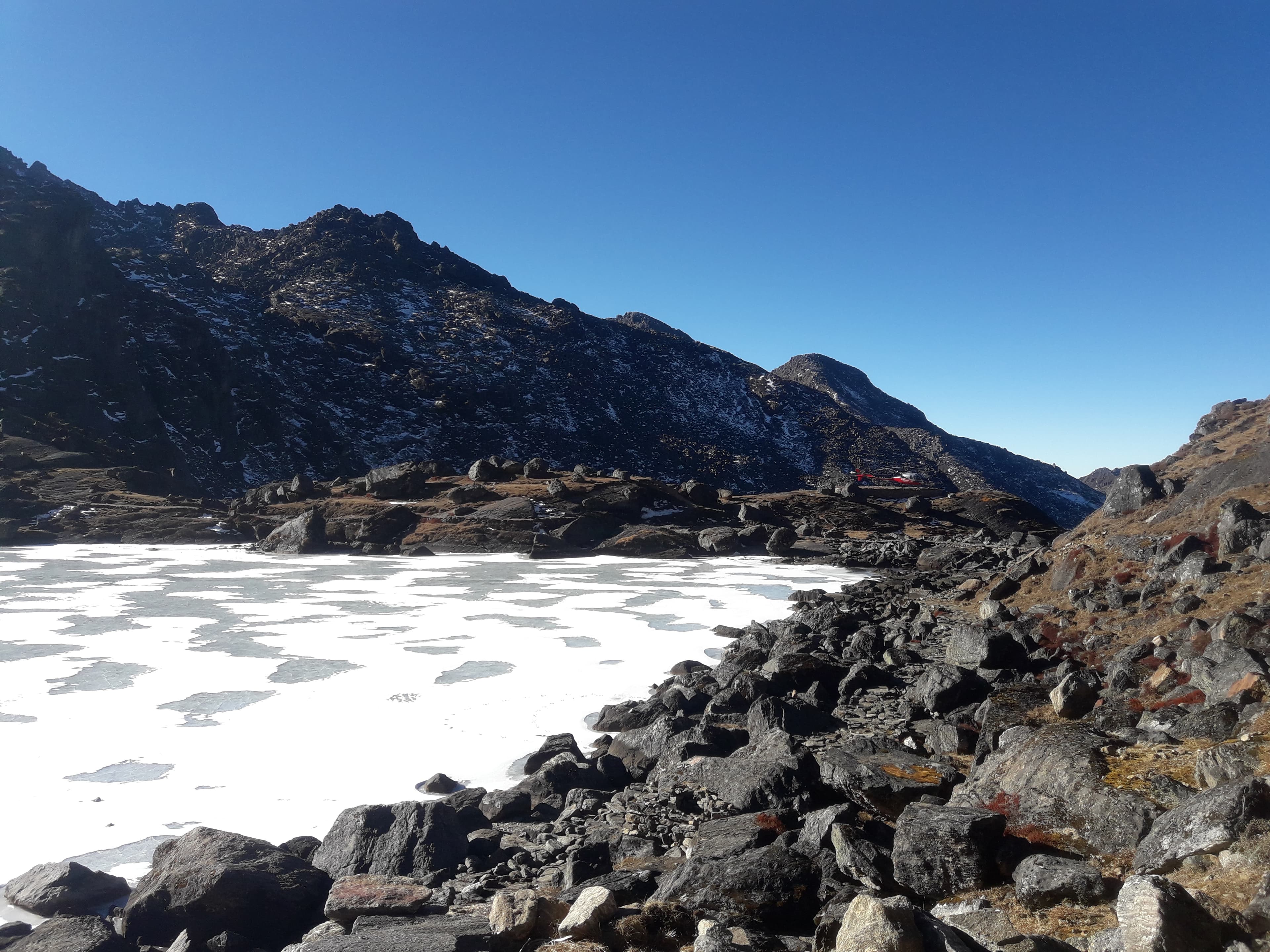
Best Time for Langtang Valley Trek
An Overview & Introduction
Trekking in the Langtang region is a fabulous experience for trekkers. The Langtang Valley Trek Nepal is one of the most rewarding journeys, offering breathtaking views of mountains, diverse landscapes, lush forests, rich cultures, and elegant villages within a short distance from Kathmandu.
Langtang Valley is often called the “Valley of Glaciers”. If you are looking for a peaceful week-long trek near Kathmandu, you should go for the Langtang Trek.
Nepal experiences four distinct seasons, and the Langtang Valley Trek can be completed in every season. However, choosing the proper season plays a key role in your overall experience of the trek. Langtang Valley trek is budgetable to average range cost.
This is a complete blog that explains the Best Time for the Langtang Valley Trek, Nepal. Keep scrolling down.
Why does the right season play a key role for the Langtang Valley Trek?
Choosing the right season plays a key role in the Langtang Valley Trek. The weather in the Himalayas can change rapidly, affecting trail conditions, visibility, and the overall trekking journey. Trekking in the ideal seasons enhances your safety and makes your journey enjoyable and memorable.
Crystal-Clear Mountain Views—The travelers will enjoy stunning panoramas of Langtang and surrounding mountains.
Pleasant Weather – Comfortable weather makes hiking easier and enjoyable.
Safer Trails—Dry and well-managed trails minimize the chances of landslides and other weather-related problems.
Breathtaking Landscapes – Experience the blooming rhododendrons in spring and mesmerizing mountain vistas in autumn.
Excellent Teahouse Facilities – Most lodges offer fully operational accommodation and food services in the ideal season.
Cultural Festivals – Be a part of Nepal cultural festivals from October to November.
Convenient transport options – In the right season, trekkers will have reliable and convenient transport facility.
Enjoyable Experiences – The point is that we have all come to enjoy ourselves. Choosing the right time will be a rewarding adventure in the Langtang Valley.
Langtang Valley Trek Weather Overview
The Langtang Valley trek begins at an altitude of 1,500 m in Syabrubesi and gradually ascends to viewpoints at elevations up to 4,984 meters. Due to the significant elevation changes, temperature can fluctuate throughout the trek.
Usually, the Langtang region experiences four major trekking seasons.
Seasons
Months
Trekking Conditions
Spring
(Mar-May)
Perfect
Summer/Monsoon
(Jun-Aug)
Moderate
Autumn
(Sep-Nov)
Excellent
Winter
(Dec-Feb)
Best for experienced trekkers.
Langtang Valley Trek in Spring (March To May): Blooming Rhododendrons
Spring season (March-May) is widely considered a promising time for the Langtang trek. The season offers you perfect trail conditions for hiking. The clear weather, stable temperature and blooming rhododendrons make your trek meaningful.
The average daytime temperature in the Langtang region during Spring ranges from 10°C to 20°C. Meanwhile, temperatures drop significantly at night, and weather at higher elevations is often unpredictable.
One of the main highlights of trekking in spring is the National Flower of Nepal – Rhododendron.
During the trekking journey, you will experience the different shades of rhododendrons.
· Vivid Reds
· Purple
· Pink
· Yellows
· White
The rhododendron forests are combined with oak, pine and magnolia, maple, and bamboo forests.
What to expect? (Advantages)
· Blooming rhododendrons lining the trail
· Comfortable temperatures: Neither too hot nor too cold
· Longer daylight hours make the journey memorable.
· Clear mountain views make it perfect for photography.
· Get a chance to encounter several wildlife species: musk deer, langurs, monkeys.
· A paradise month for birdwatchers and nature lovers
Challenges
· Crowded trails and tea houses.
· Occasional afternoon clouds obstruct the mountain views.
· There are chances of avalanches above 4,000 meters.
Langtang Valley Trek in Autumn (September to November): The Golden Time
If spring is elegant, autumn is widely considered the golden time for the Langtang Valley Trek. This season is always the first choice for trekkers.
After the monsoon ends, the skies become clear, the air becomes crisp, and the mountains are impeccably stunning. The trails become dry and trekking conditions are at their peak.
The average daytime temperature in the Langtang region during autumn ranges from 10°C to 20°C at lower altitudes. While in the higher villages, the temperature ranges from 5°C to 12°C.
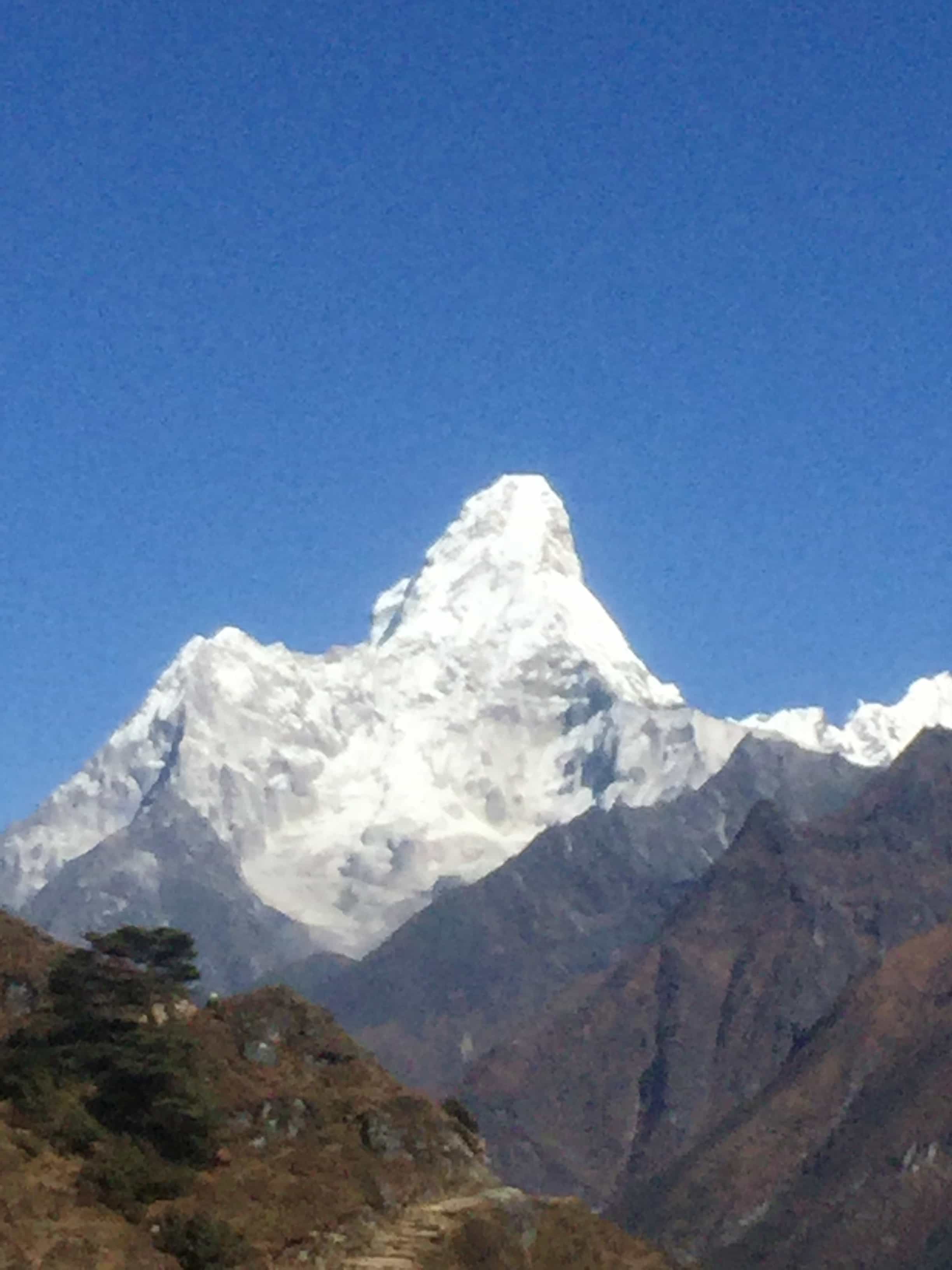
Autumn is an adorable time for the mountain views. During the trek, the hikers will get unobstructed views of Langtang Lirung, Dorje Lakpa, and Ganchenpo.
From late September to November, the trekkers can expect perfect weather and excellent visibility, making it ideal for trekking.
What to expect?
· Spectacular views of Langtang Lirung, Dorje Lakpa, and Ganchenpo mountains.
· Warm and sunny day for comfortable hiking
· Coincides with Nepal's two biggest festivals—Dashain & Tihar
· Trekking through Tamang and local villages and be a part of their local celebrations
· Perfect time for families, students, beginners, and honeymoon couples.
· Be a photographer as the mountains look sharp and vibrant.
Challenges
· Busiest trails due to peak season.
· Tea houses can fill up quickly.
· Booking is recommended in advance.
· The accommodation and food costs may be higher.
Winter Trekking in Langtang Valley (Dec-Feb): Cold & Peaceful
Winter is the physically demanding season and transforms Langtang Valley into a silent landscape. The trails are quieter than in other seasons, which makes the journey peaceful for the trekkers. During this season, clear skies provide spectacular views of the mountains.
The daytime temperature ranges from 5°C to 10°C. While at higher altitudes, the temperature drops below 0°C to around -10°C around nighttime. There is a high chance of snowfall at the Kyanjin Gompa (3,870 m) and other viewpoints. Despite the cold season, some tea houses are open with limited services.
What to Expect?
· Peaceful trek with limited trekkers
· Stunning snow-covered landscapes and mountains
· A combination of blue skies, snow-covered mountains, and dramatic landscapes makes for a perfect season for photography.
· Authentic cultural immersion
· Lower prices on tour packages
· Perfect season for experienced trekkers.
Challenges
· Extreme cold at the higher elevations
· Trails may be blocked due to heavy snowfall.
· Shorter daylight hours.
· Limited tea house service at higher altitudes
· High chances of altitude sickness and frostbite.
Monsoon Season in Langtang Valley (June to August): Lush, Vibrant & Challenging
Monsoon is generally considered the last best option for the Langtang Valley Trek. The monsoon brings heavy rains that make the trek challenging. As Langtang lies partly shadow area, it receives less rainfall than other trekking routes in Nepal.
The lower part witnesses frequent heavy rain, which may increase the chances of landslides. Despite that, monsoon brings warm temperatures and green landscapes.
What to Expect?
· Lush & Green landscapes
· Fewer Crowds and peaceful trails
· Warmer Temperatures
· Cost-Effective Accommodations
· Receive warm hospitality from local people (Tamang)
· Perfect season for nature lovers and photographers
Challenges
· Slippery trails
· Obstruct views of panoramic Himalayas.
· Humidity and heat at lower altitude
· High risks of landslides
· Transportation delays.
· Leeches and insects in the lower elevations.
Month-by-Month Guide for the Langtang Valley Trek
January
· Freezing temperatures with heavy snowfall
· Quiet trails and limited trekkers
· Spectacular snow-covered mountains
February
· Cold but improving
· Clear skies and exceptional visibility
· Cold nights at higher elevations
March
· Melting snow
· Occasionally Slippery trails
· Beginning of Spring
· Rhododendron forest begins with vibrant colors.
April
· Pleasant trekking temperatures
· Stable weather and vibrant landscapes
· Peak Rhododendrons blooms
May
· Lush greenery with afternoon clouds
· Low chances of rainfall in some parts
· Clear views of Mountains.
June
· Early monsoon season
· Lush & Green landscapes
· Lower chances of afternoon rainfall
July
· Peak monsoon season
· High chances of landslides and mudflows
· Leeches & insects
· Limited mountain visibility
August
· Less rainfall than July
· Lush green scenery
· Fresh mountain air
· Fewer crowds on trekking routes
September
· Beginning of the autumn season
· Clear skies
· Comfortable weather
· Perfect trekking conditions
· Crowds increase compared to previous months.
October
· Peak time of the trekking season
· Stable weather
· Best time for the trekking season
· Remarkable Himalayan views
· Celebrate Nepali festivals Dashain & Tihar
· Packed tea houses and lodges
November
· Stable weather
· Cool nights
· Dry weather
· Trekkers lesser than October
December
· Beginning of the winter season
· Fewer trekkers
· Clear skies
· Occasional snowfall at higher altitudes
Langtang Valley Trek: Difficulty Level
Before deciding to book with Sunrise Adventure Trek, you might wonder, “How difficult is the Langtang Valley Trek?"
Langtang Valley journey is a moderately challenging Himalayan trek. It doesn’t require mountaineering skills to accomplish the 7-day journey. It is a perfect trekking journey for beginners.
Although the trails are well- established, the route involves uphill and downhill sections and high-altitude hiking.
Throughout the journey, trekkers walk for 6-7 hrs each day, which can be physically demanding. In higher elevations, the trails are not properly established. In addition, the weather is very unpredictable even at the lower altitudes. Here are significant tips that make your trip easier
· Take part in Cardiovascular exercises (walking, cycling, swimming, and jogging) at least 2-3 weeks before the trek.
· Stay hydrated during the trek.
· Don’t be in a hurry: ascend gradually.
· Pack lightweight and essential items.
· Acclimatization is essential
Essential Tips and Preparations for Langtang trek
Proper preparations make your journey enjoyable. Follow these significant points.
Choose the right season: Plan your trips in Spring (Mar-May) or Autumn (Sep-Nov) for pleasant trekking experiences.
Train before the trek – Boost your stamina and endurance with walking, jogging, and swimming a few weeks before the trip.
Pack Smart: Sunglasses, sunscreen lotions, comfortable trekking shoes, woollen clothes, warm jacket, trekking poles, rain cover, basic medicine, and necessary toiletries
Acclimatise: Ascend steadily, don’t be in a hurry, stay hydrated
Documents: Carry essential documents: passport, permits, travel insurance and some cash.
Guide: Hire an experienced guide for safety and cultural experiences.
Weather Conditions: Check weather forecasts before departure
Start Early—Start your trek early for full enjoyment.
Cash – Bring an adequate amount of cash as ATM services are unavailable along the route
Respect culture and traditions—respect local culture and traditions. Take your shoes off outside before entering any temple or monastery.
The above preparations make your journey safer, rewarding, and enjoyable.
Frequently Asked Questions (FAQ) Langtang Trek
What is the highest point of the Langtang Valley Trek?
The highest point of the Langtang Valley Trek is Kyanjin Gompa (3,870 m). From here, the trekkers will experience panoramic views of mountains.
If trekkers are seeking higher challenges, Tserko Ri (4,984 m) is an optional day hike.
Is October the best month for Langtang Trek?
October is widely considered the best and most popular month for the Langtang trek. The season offers stable weather, clear skies, comfortable daytime temperatures, and unobstructed mountain views.
When is the rhododendrons blooming season in the Langtang region?
The rhododendrons season spans from the beginning of March to late May.
Is altitude sickness a concern in the Langtang Valley?
The Langtang Valley trek is above 3,000 meters. If the trek reaches above Tserko Ri (4,984 m), some trekkers may experience symptoms of nausea, vomiting, headache, shortness of breath and other issues related to altitude sickness. Staying hydrated, ascending gradually, and acclimatisation reduce the chances of altitude sickness.
Do I need a guide for Langtang Valley Trek?
Yes, hiring a guide is highly recommended. A guide enhances your safety, helps with navigation, shares local cultural insights and makes your trip enjoyable and memorable.
Final Verdict
The best time for the Langtang Valley Trek in Nepal depends on the experiences you are looking for. If you prefer blooming rhododendrons with comfortable temperatures, spring (mar-may) is a promising time. For crystal-clear skies, panoramic mountain views and the best trekking conditions, autumn will be an excellent season.
Winter appeals with peaceful trails and snow-covered mountains. Similarly, the monsoon transforms the valley into a lush green paradise.
No matter which season you choose, you will be delighted with rich Tamang culture, authentic hospitality, breathtaking scenery and panoramic mountain views.
With proper planning, the right gear, and reliable support from the experts, your journey will be unforgettable.
Trek with Sunrise Adventure
Book your treks through Sunrise Adventure Trek –one of the renowned trekking companies in Nepal. We offer affordable Langtang Valley trek packages. Our services include-
· Experienced local staff and (guides)
· Porters (if needed)
· Customized itineraries
· All necessary permit arrangements
· Arrangements of accommodations and meals
· 24/7 assistance
· Emergency support
· Transport service and more…
Leave a reply
Your email address will not be published.