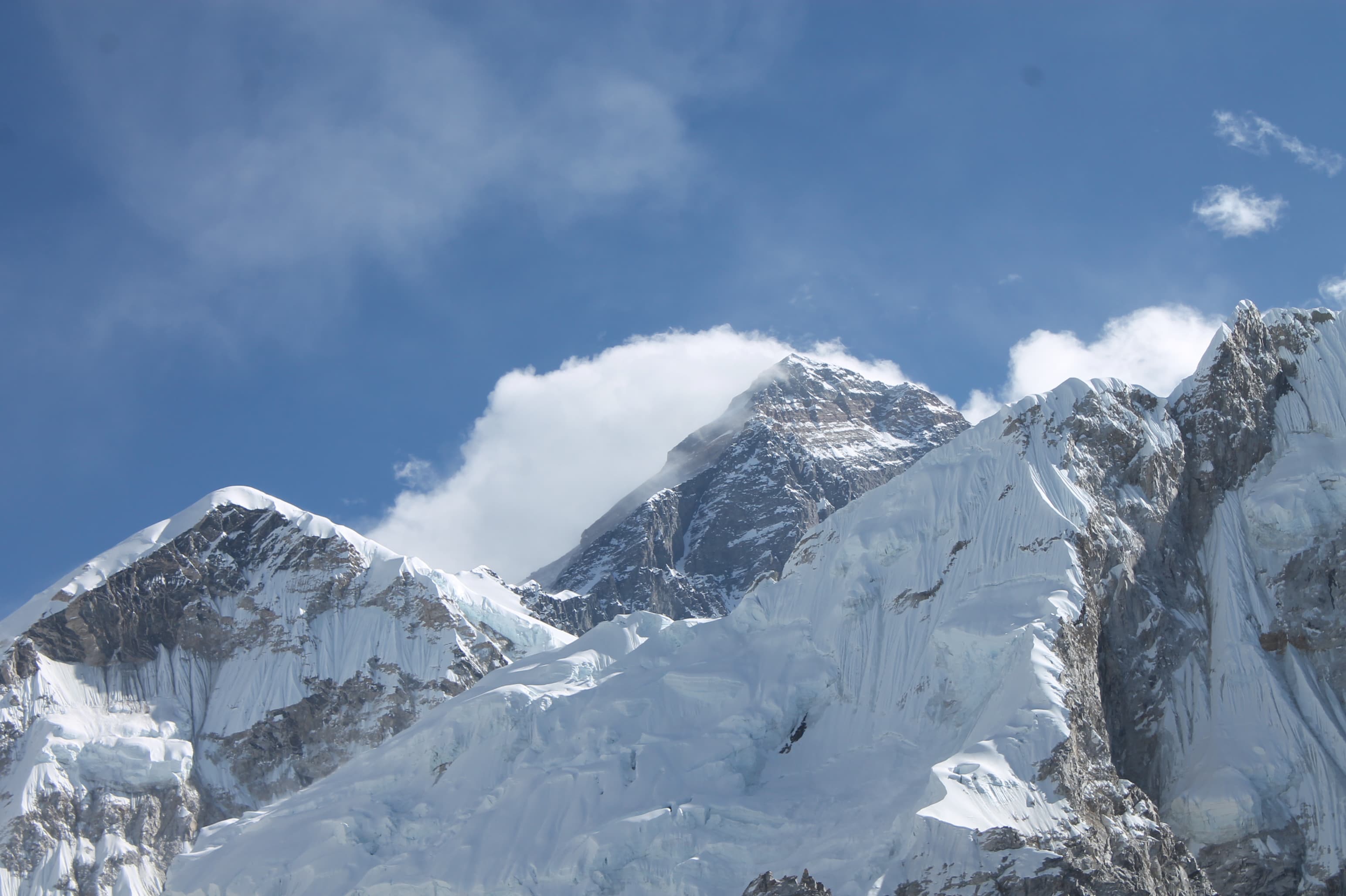
1996 Everest Disaster
An Overview & Introduction
The 1996 Mount Everest Disaster was one of the most horrible and unforgettable tragedies in the history of mountaineering. The incident happened on 10-11 May 1996; when eight climbers lost their lives after being trapped in a blizzard while attempting to descend from the summit.
1996 The Everest disaster shocked the entire world, but many of the victims were seasonal climbers under the supervision of professional guides. What went wrong on the 1996 Everest? What exactly happened? Who remained alive? Who didn’t?
In this blog, we will break down all the events, decisions, and consequences of the 1996 Everest Disaster. Keep scrolling down for more information.
Everest and the 1996 Season
Everest is deadly not merely because of its height, but due to the death zone, where oxygen levels are deficient for human survival for a long period. The climbers face severe problems such as hypoxia, frostbite, exhaustion, and unpredictable weather. By the year 1990, it had been commercialized, bringing experienced climbers led by the professional guides – Rob Hall and Scott Fisher.
Both were highly experienced, known for their experience, expertise, and leadership. They bring well-prepared teams for the expeditions. Yet with the proper planning and experienced leadership, the mountain showed no regard for the skill.
The Team and the Climbers
There were two teams, Adventure Consultants and Mountain Madness. Both were highly experienced and professional in their job.
The Adventure Consultants team members
· Rob Hall (Team Leader)
· Doug Hansen
· Yasuko Namba
· Jon Krakauer (writer & survivor)
· Andy Harris
· Other Sherpa supportive staffs
The Mountain Madness team members were
· Scott Fischer (Team Head)
· Anatoli Boukreev
· Sandy Pittman
· Other staff (porters).
Why do mountaineers still remember the 1996 Everest disaster?
The 1996 Everest disaster is still remembered by the mountaineers because it revealed how even the highly experienced and professional are unable to cope with the unpredictable weather, high altitude, and poor decision-making.
Eight summiteers died in one night, and it raised several questions about commercial expeditions. It was written about best-selling books. Jon Krakauer’s Into Thin Air and in the media all over the world. It characterized the risks of overconfidence, overcrowding, and unpredictable weather, still one of the major issues of today.
This was not a one-time occurrence. It is highlighted that even highly experienced teams can fail under the wrong circumstances.
Eveerst summit
Mountaineering
What exactly happened on Everest in May 1996?
The critical time period was May 10-11, 1996. The two major guides, Rob Hall (Adventure Consultants) and Scott Fisher (Mountain Madness), led the teams.
Due to delays in the fixed rope, too many climbers cause traffic jams near the summit. There were many climbers who exceeded the recommended turnaround time of about 2 PM before reaching the summit.
While descending, the climbers were stuck in heavy blizzards and strong winds. Some get lost, while others crumble on the spot. The radio signal failed. Rescue was attempted but unsuccessful.
Eight climbers died during the disaster. Among the fatalities, both expedition leaders lost their lives. Some survivors return to the camp with frostbite and physical & psychological trauma.
Some Heroic Efforts
The 1996 Mount Everest tragedy is known not only for the tragedy but also for the remarkable heroic efforts. There are several climbers trapped in death. However, some climbers have shown the courage and daring to save the people.
Anatoli Boukreev – Selfless Rescuer
One of the most impeccable stories involved Anatoli Boukreev. He was part of Mountain Madness.
After reaching the Camp fatigued from the storm, Boukreev attended to several climbers caught in the storm in pathetic conditions. Despite the dark, hurricanes, zero visibility, and extreme cold, he went to the storm several times for the safety of the climbers.
Anatoli Boukreev managed to find rescue for several climbers. They are
· Sandy Pittman
· Charlotte Fox
· Tim Madsen
The Sherpa Courage
The world knows the Sherpa’s are admired for their bravery and courage. During the Everest Disaster, the Sherpa’s showed great efforts at high altitudes to save people.
Their courage included:
· Transporting injured climbers to a safe place
· Oxygen support to the climbers
· Provided safe routes
Sherpa’s were not just guides or staff. They were the rescuers/real heroes of the huge calamity of 1996.
What are the main causes of disaster?
There were many key factors for the 1996 Mount Everest disaster. It is caused by several bad decisions, human error, unconditionally weather, avalanches, and extreme conditions at high altitudes.
Sudden Weather Changes
A fast-moving blizzard hit during the ascents
· Extreme cold
· Zero visibility
· Blustery winds
Overcrowding
· Too many climbers attempted the summit, particularly on the same day.
· Huge traffic jam at the Hillary steps
· Long waiting hours at the “Death Zone."
· Lack of oxygen and other supports.
Shortages of Oxygen and Equipment Problems
There were many climber suffer with problem of oxygen supplies that reduced oxygen in the body and led to health issues. Furthermore, there were also shortages of masks, regulators and other equipments.
Fatigue and effects of altitude
Above 8,000 meters
· The body starts to melt down.
· Complicated symptoms
· Unable to breathing
Weak leadership and poor coordination
Different trekking companies were operating independently.
· Poor communication between the teams.
· Coordination was missing in significant decisions.
· Some leaders are physically stressed and exhausted.
Media Coverage and Public Attention
The Everest disaster is globally known through books, movies and documentaries.
Many people learned about the Everest disaster through the best-selling books.
Into Thin Air (John Krakauer) – The book was published in 1997 by John Krakauer. It provides all the information about the 1996 Disaster. John Krakauer was also among the climbers during the 1996 Everest Disaster.
Some other survivors also published the books.
· The Climb
· Left for Dead
Everest (2015) – The movie recounts the horrifying 1996 Everest Disaster. The movie was widely appreciated. In addition, it also makes good figures at the box office. Aside from this, the movie was also nominated for several awards.
Impacts after the 1996 Disaster
The horrifying disasters forced the mountaineers and climbers to reconsider some safety practices.
Better Weather Forecasting
Before starting the Everest expeditions, the climbers relied on the meteorological data.
Decision Making
Guides become more conscious and cautious about turnaround times.
Proper Communication
The satellite communication has been upgraded, and coordination has improved significantly.
Awareness
Authorities, mountaineers and expedition companies become more aware of the dangers posed by overcrowding during the journey.
Risk Management
The authorities' are concerns about strategic management, proper decision making, unpredictable weather and harsh terrain before starting the journey of Everest expeditions.
Everest in 2026
The Everest is very different today in 2026 than in the past. However, some risks still exist. The 8 climbers left the world in the 1996 Everest disaster. As a result, modern expeditions focus heavily safety and security of the climbers. They primarily improved and focused on several aspects.
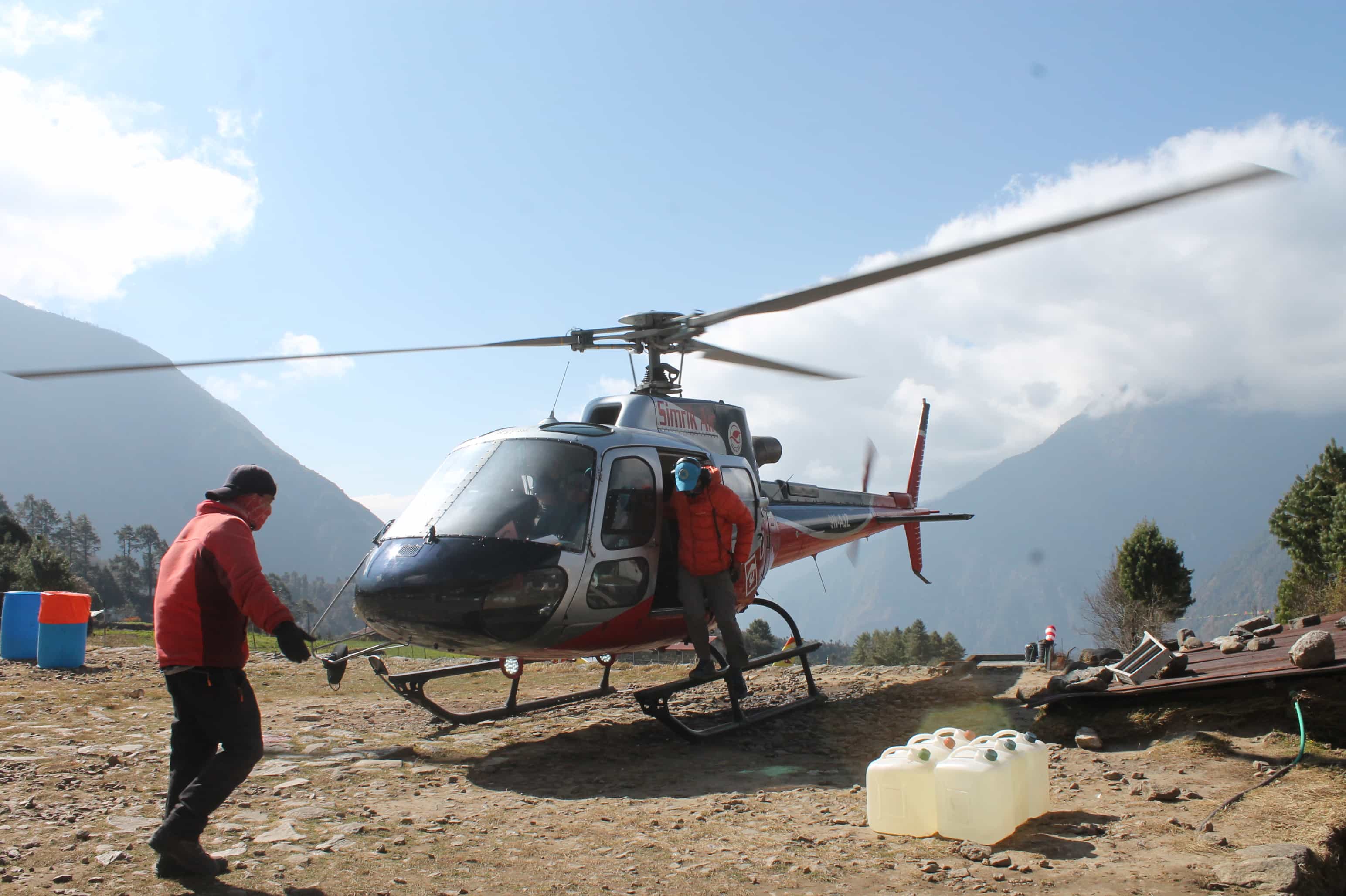
In the past 20 years, there have been significant improvements in technology, weather forecasting, rescue communication, gear, & equipment. In addition, helicopter evacuations from lower camps after the permits.
Nowadays, the climbers use tactics and strategies to avoid crowds. They follow smaller team sizes, premium guide services, and steady acclimatization.
Here are the similarities between 1996 and 2026
1996 Everest Disaster
Everest in 2026
Crowding on summit routes
Crowding still the problems
Delays at the Hillary Steps
Delays still occur on busy summit days
High Weather Risks
Weather still remains unpredictable
Oxygen shortages
Oxygen management is still a crucial.
Decision-making pressure
Right decision still a tough to handle.
Legacy of the Everest Disaster
The 1996 Everest Disaster occupied a significant place in the history of the mountains. The tragedy claimed the lives of eight climbers who died in unexpected circumstances due to the severe storms.
It emphasized how the disaster revealed how little control humans have in extreme environments and showed that even the most skilled climbers can be overcome by the forces of nature.
The disaster also showcased the bravery, courage and selflessness of guides who risk their lives to save others. There were heroic efforts shown by the great Sherpa’s in such vulnerable conditions. The perspectives have been changed in 1996 – the Everest is not just the symbol of accomplishment but also highlights where danger is real, and respect is essential.
Everest 2026: Death of the Climbers
As of the end of spring 2026, there have been several deaths confirmed during Everest expeditions. There were more than 492 permits issued, which emphasizes the overcrowding and unstable environmental conditions.
As per Al Jazeera and other sources, at least 5 climbers lost their lives in 2026 early season.
The fatalities were
Lakpa Dende Sherpa, a 52-year-old guide, collapsed on a route towards base camp.
Bijay Ghimire Biswakarma—35-year-old climber, died in the Khumbu Icefall during acclimatization.
Phura Gyaljen Sherpa—An assistant guide fell into a crevasse near Base Camp III
Sandeep Are—An Indian—died during the ascents after successfully reaching the Summit.
Arun Tiwari—an Indian—died due to acute mountain sickness at high altitudes. He also successfully reached the top of Everest.
Conclusion…
The tragedy of Everest in May 1996 stands as one of the most significant and horrifying events in the mountain's history. It planned a promising summit event, but it ended with a big tragedy: loss of life due to overcrowding, unpredictable weather, and some human error that resulted in poor consequences.
The loss of the experienced guides Rob Hall and Scott Fischer shocked the mountaineering world and led to some significant changes to triumph in the Everest expedition. Through the book, documentaries, and movies, the story foretells and educates the people around the world.
It has been more than three decades, but the mountain world still remembers the 1996 Everest disaster. The mountain does not forgive your mistakes, and it has also been proven 30 years ago.

Leave a reply
Your email address will not be published.