Everest Base Camp Trek without a guide
“When Dream Meets the Sky – A flawless adventure in the depth of Himalayas”
An Overview & Introduction
Planning an Everest Base Camp Trek without a guide– is it possible?
Yes, in 2026, the Everest Base Camp Trek without a guide has been a popular choice for trekkers. It is also referred to as the “Solo Everest Base Camp Trek”.
Every year, thousands of people complete their iconic Everest journey while admiring Sherpa villages, monasteries, dramatic landscapes, and spectacular views of the mountain and Himalayas.
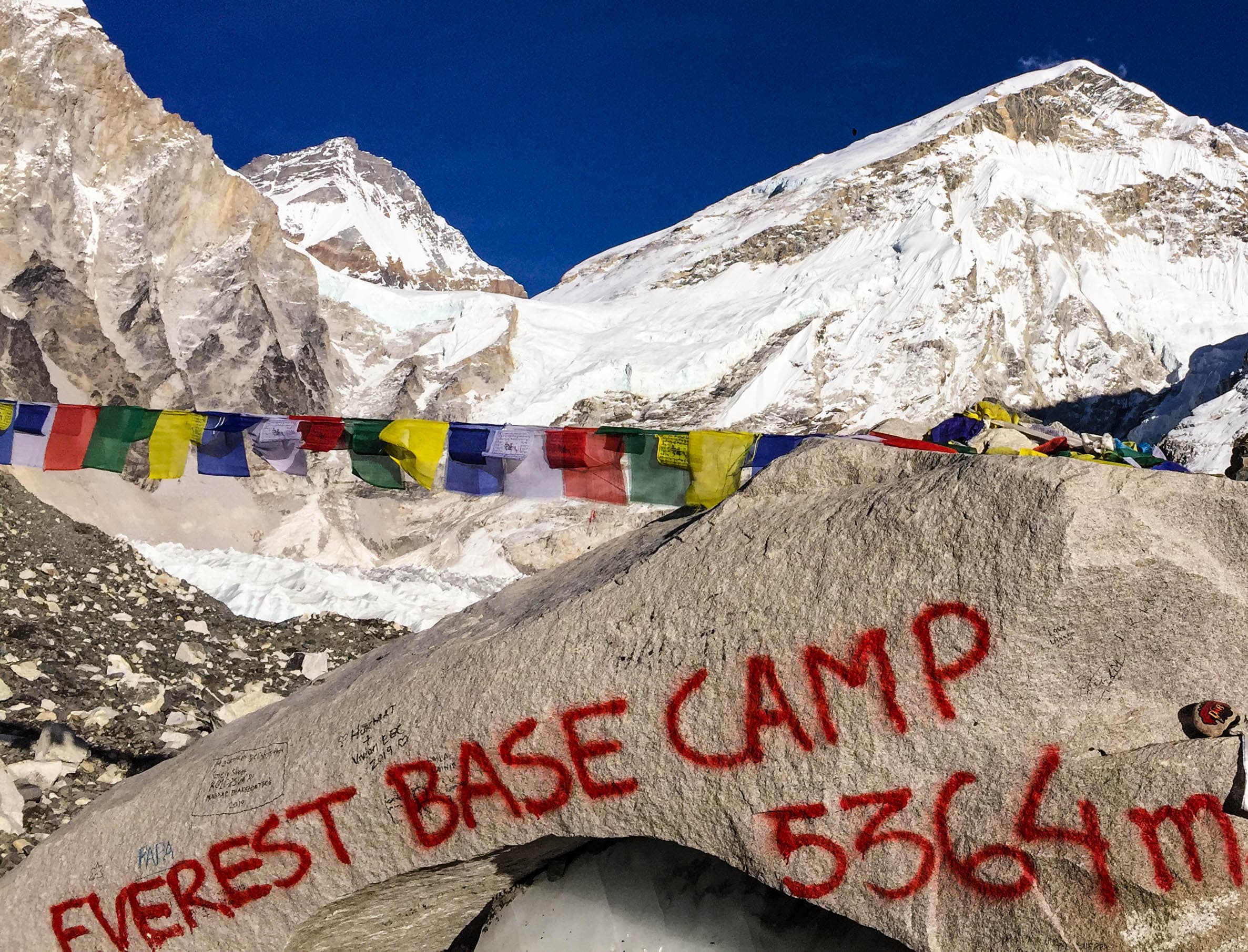
Everest Base Camp (5,364 m) is at the base of Mount Everest (8,849 m) - the world's highest mountain.
Solo trekking to Everest provides greater flexibility and independence and helps reduce trekking expenses. Hiring a professional guide or trekking through reputed trekking companies ensures your safety and convenience.
Every season, multiple rescue operations are carried out where trekkers encounter to altitude sickness, injuries and navigation mistakes. Many of these are solo trekker’s who underestimate and overlook the physical demands during their trek.
In this blog, we will explain to you whether trekking to Everest Base Camp without a guide is worthwhile for you, the potential risks without a guide, and what the local Sherpas recommend. Keep scrolling down for more information.
What exactly is meant by the Everest Base Camp Trek without a Guide?
Also referred to as the Solo Everest Base Camp Trek; is a journey above the elevations above 5,000 meters without hiring a guide and porter. If we talk more, you are all responsible for planning and managing every aspect of your trek. You are on the 12 to 14-day uphill and downhill walking without an organized trek group. From the first day to the last day, the trekker has to manage their logistics, itinerary, food and accommodation.
Here are some significant things solo trekkers have to consider
· Obtaining the necessary permits
· Manage the transportation – flight from Kathmandu to Lukla
· Booking accommodations and manage food along the route
· Navigating the trail
· Handling your daily itinerary along with the acclimatization plan.
· Setting strategies and priorities to complete the trek.
Trekking to Everest Base Camp independently is the full responsibility of the trekker. The trekkers themselves have to be cautious about uncertain weather changes; logistics, high-altitude risks and altitude sickness, and it can be less expensive than a guided package trek.
Why Choose the Everest Base Camp Trek without a Guide?
The solo Everest Base Camp trek is popular among experienced mountaineers and trekkers. There are several reasons.
Ultimate Freedom and Flexibility
- Walk at your own pace.
- Choose your own acclimatization plan.
- Starts your day whenever you choose
- You can travel without consulting your team head.
Budget Friendly
- It helps you save money.
- No paying for a guide.
- No paying to porter (if not used)
- Manage your overall financial expenses.
Personal Adventure
Many travelers navigating the trail independently. It creates strong connections, bonds and excitement with the Himalayas, communities, and local people.
Strong Senses of Accomplishment
When you complete your 12-day Everest Base Camp Trek without a guide, you will have a strong sense of accomplishment. It cannot be put into words; it can only be felt.
Easy Trail Navigation
The EBC trek is one of the established and popular trekking trails. The path passes through elegant and popular villages of Nepal and is easy to navigate.
Is a Guide is Mandatory for the Everest Base Camp Trek?
One of the most asked questions is whether a guide is necessary for the Everest Base Camp Trek. As of now, the trekkers can complete their trek independently. Unlike some restricted regions that require a licensed guide.
The trekkers have to obtain the necessary permits and make their own arrangements for transportation, meals, accommodations, and other expenses.
For experienced trekkers, the Everest Base Camp route is easy to follow. On the other hand, the beginner hiker should hire a professional guide as they do not have the knowledge about the destinations.
Why can trekking without a guide be dangerous?
Choosing a professional and experienced guide plays a key role during your Everest Base Camp trek. It was not only in terms of comfort or safety; they play a major role in the success rate of your journey.
Guides manage all your critical and essential things, including tea house bookings, trekking permits, high altitude monitoring and more.
When you are above 5,000 meters, you may suffer from altitude-related problems. The guides have in-depth knowledge of the destination; they know when to acclimatize rest and descend.
A Google guide is not always helpful. They are the walking Encocylopaedia in the Himalayas.
Above all, hiring a guide is also helpful in emergency support and rescue operations.
What are the Risks of Trekking without a Guide?
Trekking without a guide leads to several issues in the Himalayas. It includes
- Getting lost due to bad weather and poor visibility
- Altitude sickness, which is very common during the EBC trek
- If you are injured or ill in the remote areas
- Sudden weather changes which lead to landslides
- Limited local knowledge
- Language Barriers.
Hiring a licensed guide with Sunrise Adventure Trek improves your safety, saves you from unexpected conditions and makes your journey memorable.
What do Sherpa and local experts say about trekking without a guide?
Sherpas have lived and worked in the Khumbu region for generations. Based on years of experience, the Sherpas and local experts believe that hiring a guide would be helpful to the trekkers.
Trekkers' safety always matters – Guides prevent foreseen accidents that may occur during the trek. Sherpas are trained; they identify early symptoms of altitude sickness and respond quickly before the condition worsens.
In case of an emergency, they can easily coordinate with local authorities.
Beyond ensuring safety, they make the journey successful, meaningful and significant.
What is annual death rate or accident rate in the Everest region?
Even though there is no official annual record of fatalities, rescue experts and trekking agencies minimise the risks of major accidents that may result from altitude sickness, frostbite, falls, injuries, and dehydration. According to some sources, the average annual deaths are 3 to 5 per year.
How many people Attempt the EBC trek Solo Each Year ?
There are no official data on how many people attempt the Independent Everest Base Camp trek. There are only a small number of trekkers. Mostly the trekker comes from
- Europe
- North America
- South America
- New Zealand
- Australia
- South Africa
In case of an emergency, who will provide assitance?
This is one of the ignored questions of the EBC trek.
During the EBC trek, immediate help is not readily available. If the trekkers have any emergency. You will be assisted by
- Your guide
- Local Sherpas & Villagers
- Health posts
- Local authorities
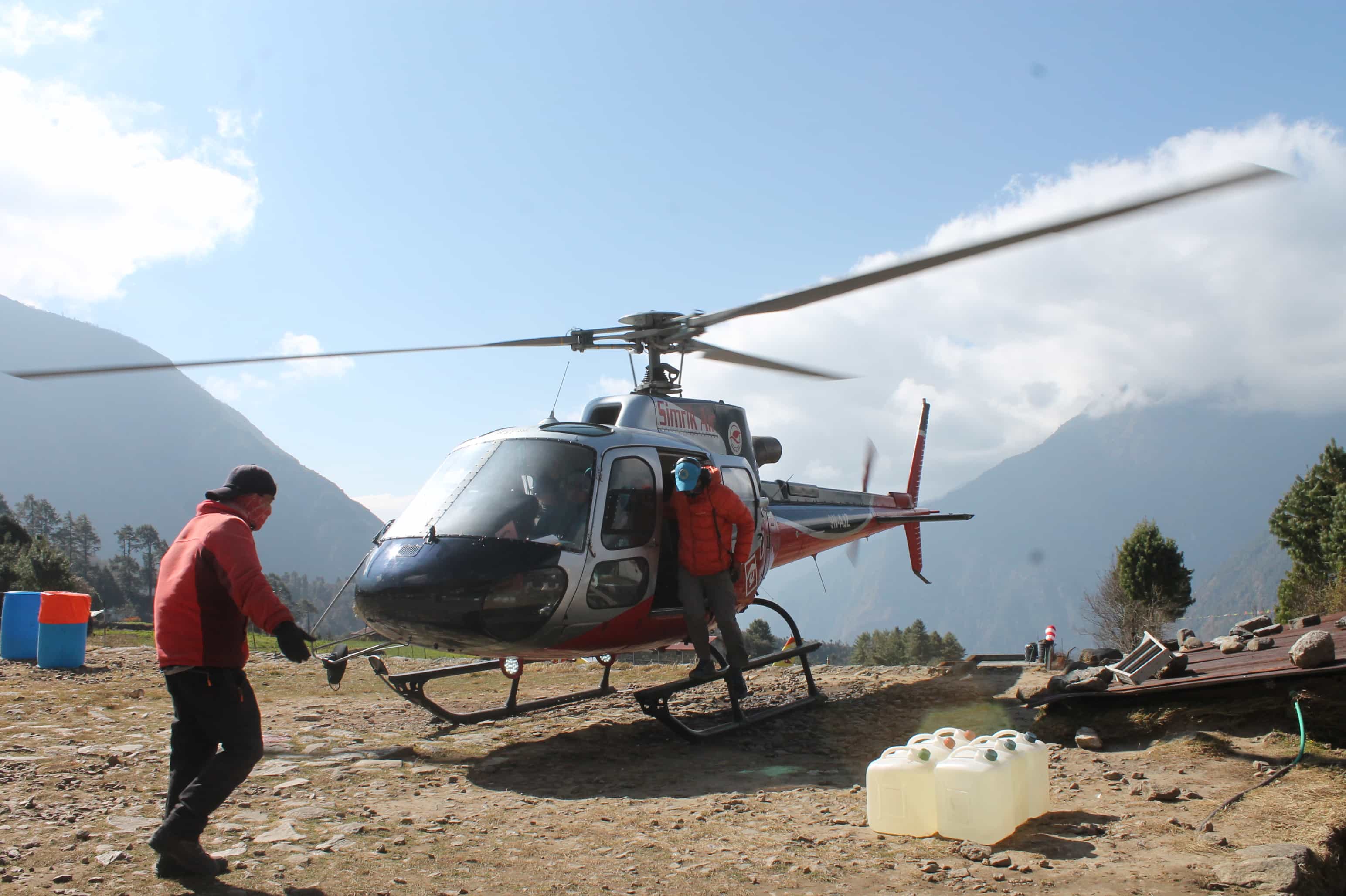
- Helicopter rescue companies
Here, your licensed guide and trekking company play a key role in your safety. They will immediately.
Unexpected Costs and Challenges Solo Trekkers Often Face
Many trekkers will assume travelling without a guide is a budget-friendly option. However, unexpected situations during the trek lead to several extra costs.
- Private transport is more expensive than group transport.
- Without reservations, you have to pay extra costs for accommodation and meals.
- Hiring a porter during the journey may be expensive for the solo trekker.
- Navigation mistakes result in some extra overnight stays, which also burden your financial situation.
- You have to pay an extra amount for gadget charging, Wi-Fi, and a hot shower.
Necessary Permits for the Self-Guided Everest Base Camp Trek
If you are planning to do a self-guided Everest Base Camp Trek, you must obtain the necessary permits.
Sagarmatha National Park Entry Permit
The Sagarmatha National Park Entry Permit is mandatory for all trekkers. It is required to enter the Sagarmatha National Park. The permit fee is obtained by the government to conserve and protect wildlife, the local region and cultural heritage.
Costs
The fees are paid in local Nepalese currency.
Foreign Nationals (3,000 NPR)
SAARC Nationals (1,500)
Nepali Citizens (100)
Children below 10 – No charge
Where to obtain
You can easily obtain this permit from the Nepal Tourism Board, Exhibition Road, and Kathmandu or at the Monjo (Sagarmatha National Park Entrance).
Khumbu Pasang Lhamu Rural Municipality Permit
This permit is essential for all trekkers in the Khumbu region. This permit makes a great contribution to the overall development of the Khumbu region.
Costs
Foreign Nationals – 3,000
SAARC Nationals – 2,000
Nepali Citizens – Free of Cost
Where to Obtain
This permit is not available in Kathmandu. You can obtain it from Lukla or Monjo.
Earlier, the TIMS Card (Trekkers Information Management System) was mandatory. However, in 2026, this permit serves as a “Digital Trek Card” for safety and monitoring of trekkers during their trek.
Best Season for the Solo Everest Base Camp Trek
Choosing the right season is critically significant for any trek. For the Everest Base Camp trek, the trekker must choose the best season to make their journey flawless and unforgettable.
Spring (March-May)
Spring is considered the best season for the Everest Base Camp Trek.
- Stable weather
- Warm day and temperatures
- Blooming rhododendrons along the trails
- Clear views
- Perfect season for the solo trekker.
Autumn (Sep-Nov)
Autumn is the peak season of the Everest Base Camp Trek.
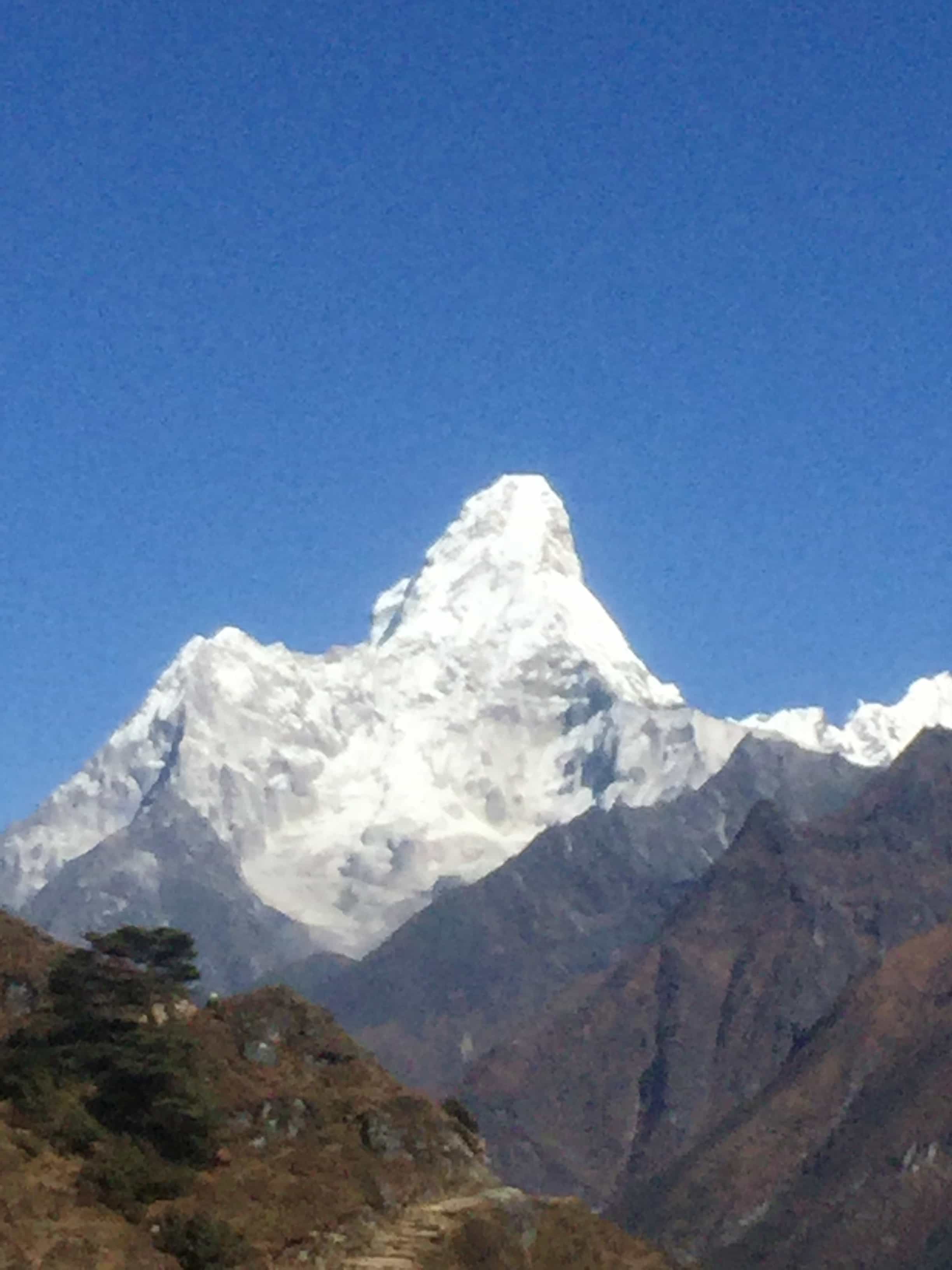
- Crystal-clear views of Mount Everest, Lhotse, Ama Dablam, Nuptse and other mountains
- Perfect time for the photographer
- Stable trail conditions
- Get to know the culture and traditions of Nepal through the festivals like Dashain and Tihar
Winter (Dec-Feb)
- Extremely cold above 3,000 meters
- Snow blocks the trails
- Some tea houses may temporarily shut down
- Hard to navigate for a solo trekker
- Peaceful and low food and accommodation charges
- Perfect time for the experienced trekkers.
Not recommended for first-time solo trekkers.
Monsoon (Jun-Aug)
- Heavy rainfall
- Slippery trails
- High chances of flight cancellations
- Fog and clouds may block the views of the mountains
- Lower costs
- Better Cultural interactions
Accommodation
For a self-guided Everest Base Camp Trek, accommodation is easily available along the route. The solo trekker doesn’t need to carry camping equipment. Most trekkers spend the night in hotels, lodges, and tea houses.
Lower Altitudes (Phakding, Namche Bazar and Lukla) – You can expect comfortable accommodation while staying in the lower altitudes. Many hotels and tea houses offer attached bathrooms, western toilets, hot water, and Wi-Fi facilities.
Mid Altitudes (Tengboche, Dingboche) – The rooms are twin-sharing. You may not find attached bathrooms. You have to share with fellow trekkers. The trekkers will have the facilities of squat or Western toilets.
High-Altitudes (Lobuche, Gorakshep) – Accommodation is very limited above 4500 meters. While staying in Lobuche and Gorak Shep, the trekkers will have limited rooms and no heating facilities. Aside from this, tented camps are reserved only for licensed mountaineers.
(Note: It is better to book hotels and tea houses in peak months like October and November)
Food & Meals
Food is the heart of any trek. You need massive energy and strength during the Everest Base Camp trek. Here are the food & meals that you will enjoy.
Breakfast
- Egg items
- Oatmeal
- Muesli
- Flat Bread
- Puri Tarkari
- Toast
- Gwarmari
- Chatmari
- Tea (Milk, Lemon, Ginger, Hot Lemon)
- Pan Cakes
Lunch & Dinner
- Nepali meals (Dal, Bhat, Tarkari, Pickle, Spinach)
- Veg Fried Rice
- Thupka
- Mo: Mo (dumplings)
- Non-Veg Items
- Chowmeen
- Pizza
- Burger
- Spaghetti
- Sherpa & Tibetan foods
Additional Snacks (pay by trekker)
- Energy Bars
- Chocolates
- Dried Fruits & Nuts
- Wafers
- Biscuits
- Electrolyte for hydration
Essential Packing list for the Everest Base camp Trek without a Guide
For the Solo Everest Base Camp Trekker, essential packing plays a key role. Since you are on independent trek, you have to depend on yourself. Here is the essential packing list for the 12-14-day Everest journey.
Documents & Money
- Passport (must have six months' validity)
- Nepali VISA
- Travel Insurance
- Trek Permits
- Emergency Contacts
- Cash in Hand (ATM is not available above Namche)
Clothings
- Down jacket
- Fleece Jacket
- Thermal Wears
- Trekking Pants
- Woolen sweater
Foot wear
- Trekking Shoes
- Hiking boots
- Light wear shoes
- Waterproof shoes
- 3-4 pair of socks
Other necessary items
- Trekking gear
- Headlamp
- Sleeping bag
- Reusable bottles
- Sunscreen
- Lip Balm
- First-Aid Kit
- Personal medicines
- Gadgets Charger
- Power bank
- Camera
Booking through the Sunrise Adventure Trek
Booking your EBC trek through licensed trekking company is far better than Everest Base Camp trek without a guide. It is the safest way to travel through the Himalayas. The reputed companies offer you.
- Licensed guides
- All necessary permits
- Logistics
- Accommodations and food arrangements
- 24/7 Emergency support systems.
- Better Acclimatization planning and more…
Final Thoughts
The Everest Base Camp Trek without a guide is doable. Every year, thousands of experienced trekkers attempt a solo trek in the Everest region to enjoy the ultimate freedom and sense of accomplishment.
However, you should never underestimate the Himalayas. The high-altitude, rugged terrain, unpredictable weather and basic medical facilities mean that even a small mistake may put trekkers in serious conditions. While trekking without a guide may reduce your expenses. However, beginners or those who are unfamiliar with high-altitude trekking should hire a licensed guide.
A knowledgeable guide has in-depth knowledge of the EBC journey. They not only ensure safety but also manage your accommodations, meals, logistics and other emergency assistance. Aside from this, they also enhance your experiences by socialising you with the traditions and culture of the local community.

Leave a reply
Your email address will not be published.