How difficult is Everest Base Camp Trek? EBC Trek difficulty
The Everest Base Camp Trek is truly an unforgettable journey. Every year, thousands of visitors make their way to the gateways of Everest.
The adventure offers breathtaking views of sky-touching Himalayas (including Mount Everest), a blend of Sherpa & Tibetan culture, high-altitude landscapes, Buddha’s monastery and more.
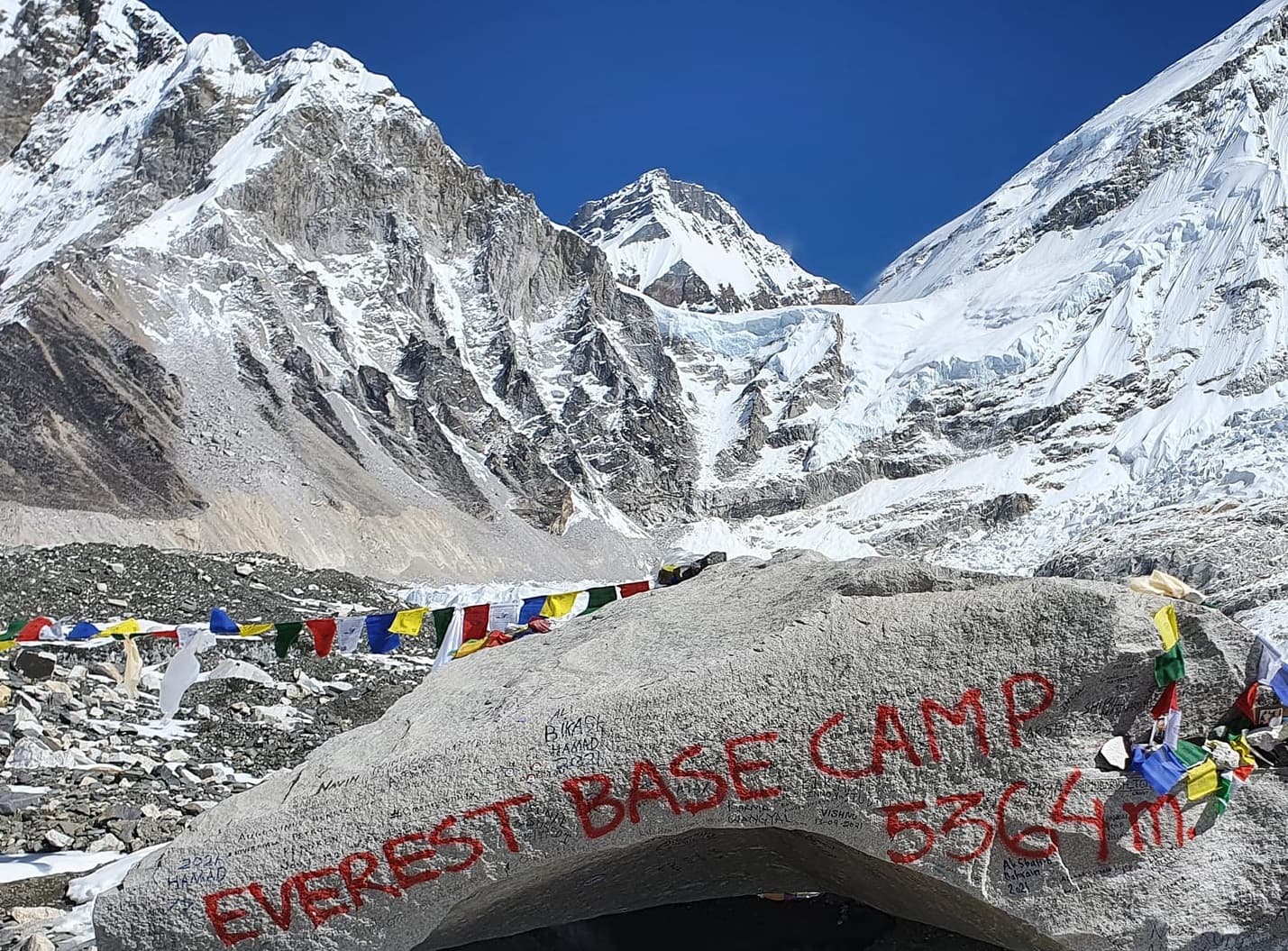
The trek to the base of Mount Everest is considered the most demanding journey. It leads the trekkers to the base of Everest at 5,364 m. (17,598 feet) above sea level.
The trekkers typically have to walk 5 to 8 hours daily, crossing river bridges, passing through local villages, and traversing high-altitude landscapes and rugged terrain.
The trek starts from Lukla at an elevation of 2,860 meters; the trails gradually ascend to Namche Bazar and through Dingboche, before arriving at Everest Base Camp (5,364 meters).
If you’re interested in learning more about how difficult the Everest Base Camp Trek is, take a few minutes to read this blog.
How difficult is the Everest Base Camp Trek?
Everest Base Camp trek is more than a hike – it’s a flawless journey that doesn’t require technical or mountaineering skills. It demands physical stamina, mental strength, and proper preparation to complete the 12- to 14-day journey.
Unlike reaching the summit of Mount Everest (8,849 m), trekking to base of Everest is a dream for many individuals. The combination of high altitude, long hours of trekking, unpredictable weather, steep ascents and descents makes it difficult.
Whether you are an experienced hiker or a first-time trekker planning your next trekking adventure, understanding the Everest Base Camp Trail difficulty makes your trip safer and more enjoyable.
Factors that makes the Trek difficult
Length of the Trek
The EBC journey features limited road accessibility. With no proper roads, trekkers have to walk through the Khumbu region. The trek starts from starts from Lukla. The trek takes 12-14 days to complete. It covers approximately 130 kilometers on a round trip. Besides this, trekkers typically walk for 5 to 8 hours each day. On certain days, while treks between Gorak Shep, Everest Base Camp and Kala Patthar, the hiking duration exceeds 8-9 hours.
High-Altitude
High altitude is one of the most significant factors that make the trek demanding. As you ascend above 3,000 meters, the oxygen level decreases, which makes it harder to breathe. Further, it increases the chances of altitude sickness.
Acute mountain sickness can cause symptoms like nausea, headache, mild fever, dizziness, and shortness of breath. However, if it is ignored or unchecked, it can lead to severe conditions such as Acute Mountain Sickness High-Altitude Cerebral Edema and High-Altitude Pulmonary Edema
Steep Ascents and Descents
Although the trails are well-established, it includes numerous steep climbs.
Some of the most demanding sections are
· Hillary Suspension Bridge to Namche Bazar
· Climb to Tengboche
· Lobuche surroundings
· Gorak Shep to Kala Patthar ascents
Sometimes descents can be exhausting for the trekkers. It puts additional strain on your knees and legs.
Trekking poles play a significant role while trekking, adding stability and reducing the strain on the knees while walking downhill.
Unpredictable Weather
Unpredictable weather is another major factor that makes the trail difficult. When you are in the Himalayas, the weather is highly volatile, and it instantly turns from pleasing sunshine to bitterly cold conditions.
Every trekker should check a weather forecast before and during the trek.
Basic Facilities
During the trekking journey, you are not going to stay in luxurious hotels or lodges. The trekkers will have to stay in local tea houses. The higher you climb, the more your facilities turn from elegant to basic.
Terrain and Trail Conditions
The diverse terrain along the trail is another significant factor that affects the trekking journey of EBC.
Compared to other trekking routes, the EBC trail is well-maintained. However, it includes:
· Stone staircases
· Rocky mountain paths
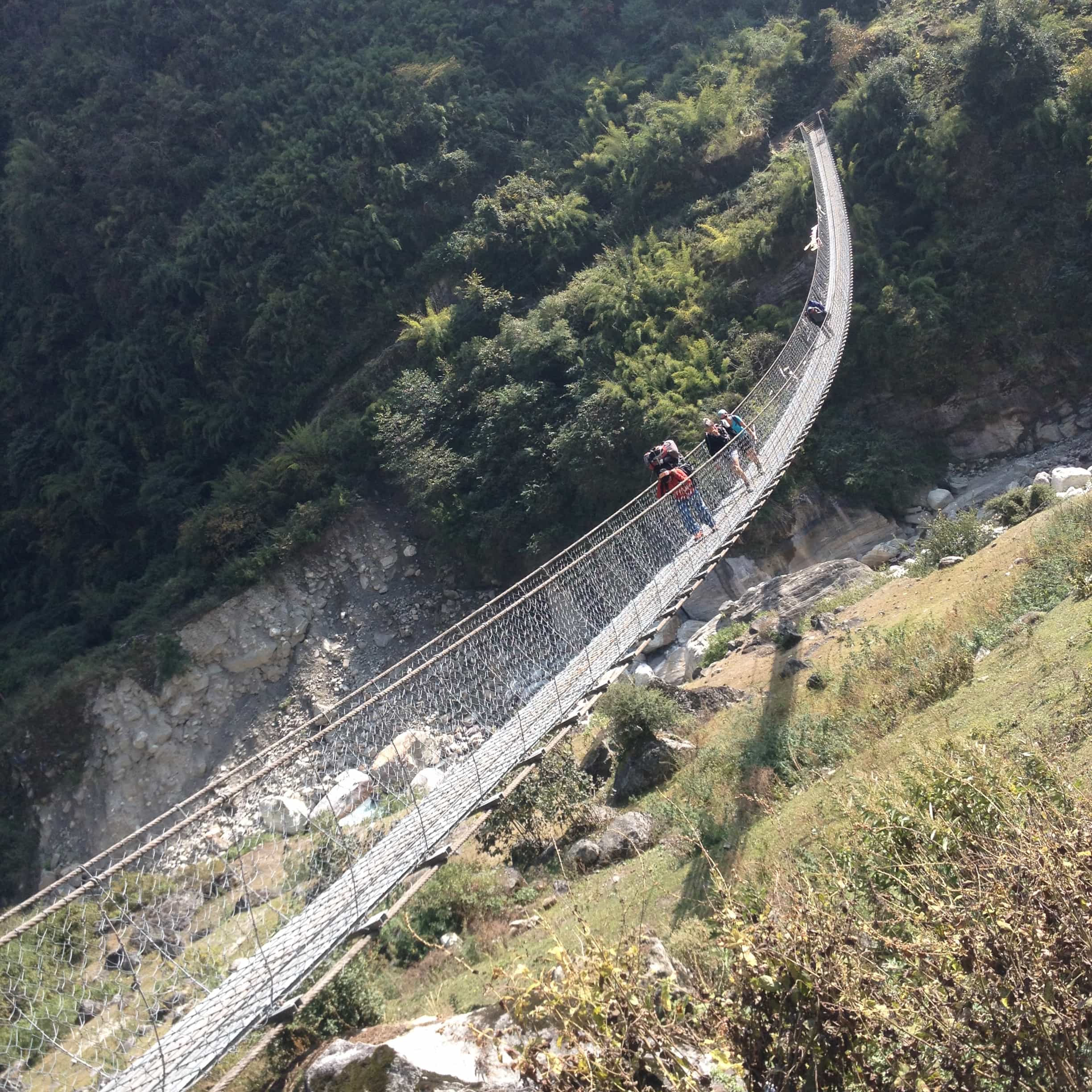
· Suspension bridges
· Dense forest trails
· Moraine-covered sections
· Loose rocks
· Cliffside paths
· Gravel steep descents
The Most Challenging Uphill Sections
Phakding to Namche Bazaar – This section is challenging and includes steep climbing after crossing Hillary suspension bridges. This part is the first test of trekkers’ stamina and endurance.
Tengboche Climb: Climbing to Tengboche is demanding for the trekkers. The trail includes high altitude and steep final ascents.
Dingboche to Lobuche – the path follows the rugged, rocky terrain. The trekkers have to prepare for thinner air and high altitudes.
Lobuche to Gorakshep: It is the last difficult path before reaching Everest Base Camp. The Lobuche to Gorakshep follows rugged and uneven terrain over dynamic ice glacial moraines.
Gorakshep to Everest Base Camp: The trekkers have to get across the rocky glacial moraines.
Kala Patthar: This section features steep climb sections over loose rock and dirt; the trekkers set their path before sunrise in harsh cold conditions.
Altitude Sickness: the biggest Challenge of the Trek
Altitude sickness, commonly known as “Acute Mountain Sickness”, is the biggest challenge of the trek. The journey takes you above 5,000 meters.
The high altitudes affect everyone. It doesn’t matter your age, fitness level or trekking experiences. When you ascend above 3,000 meters, the air becomes thinner, which makes it harder for your body to adapt to the changing environment.
Your hike gradually starts from Lukla (2,860 m) to EBC (5,364 m). The trail also follows the Kala Patthar, which has an elevation of 5,545 meters.
Altitude sickness includes several symptoms.
· Nausea
· Vomiting
· Headache
· Shortness of Breath
· Dizziness
· Difficulty in sleeping
· Loss of appetite and more.
Prevention of Altitude Sickness
· Don’t be in a hurry; ascend slowly and steadily.
· Follow the acclimatization
· Stay hydrated during the trek.
· Avoid alcohol and smoking.
· Eat light & healthy foods.
· Seek medical assistance if your health worsens during the trek.
· Using the medicine Diamox (acetazolamide) is highly recommended.
Understanding the Acclimatization
Acclimatization is the process that allows a trekker's body to adjust to the changing environment and increasing altitudes. It is one of the most significant factors for a safe and enjoyable trek, as it reduces the chances of altitude sickness.
The trekkers should follow the golden rule “Climb High Sleep Low”
Usually, trekkers follow 2 days of acclimatization during their Everest Base Camp itinerary, with stops at Namche Bazar (3,410 m) and Dingboche (4,410 m).
Understanding the acclimatization process, there is a strong chance of successfully reaching the base of Everest.
What level of fitness required for the EBC trekking journey?
There is a misconception among people that only athletes and experienced trekkers can accomplish the Everest trek.
The reality is that retired officers, college students, and first-time trekkers successfully reach the height of EBC.
Your physical fitness and mental strength play a key role in a successful journey.
It is a moderate to strenuous high-altitude trek which demands crucial preparations before the trek.
Level of Fitness Requirements
· Cardiovascular endurance (running, cycling, swimming, brisk walking)
· Strength and Muscle Endurance (leg strength, squats, step-ups, lunges)
· Hiking and uphill climbing (workouts, stair climbing, step exercises)
· Preparation for flexibility and Joint Health (stretching, mobility exercises)
· Acclimatization and altitude training
·Mental Preparations
Mental Preparation is equally significant for the Everest trekking adventure. The trek involves long-distance walking, rugged terrain, and high altitude, which test your patience and mental resilience.
You must mentally prepare to stay in a tea house with limited facilities. During the trek, you have limited food, hot showers and cold rooms.
Just be friendly and persevere to share your room with fellow trekkers.
A positive mindset will easily help you to tackle these obstacles and fully appreciate the incredible journey.
Can beginners do the Everest Base Camp Trek?
Indeed, beginners can do the Everest Base Camp trek. Thousands of novice trekkers complete the EBC trek every year. The trek doesn’t demand technical climbing or complicated mountaineering techniques. In simple terms, you should prepare for 6 to 8 hours daily on a hilly and rugged terrain for 12 to 14 consecutive days with a 6 to 10 kg daypack.
Your success depends on the right preparation, physical fitness, and acclimatization as per the itinerary. The trekkers should understand the trek is moderately strenuous due to its long days walking, high-altitude, rugged terrain and unpredictable weather.
Here are some valuable tips that make your trek safer and enjoyable.
· Avoid short and rushed schedules; choose a 12 to 14-day comfortable itinerary.
· Start physical training and cardiovascular exercises at least 7-8 weeks before the trek.
· Stay hydrated during the trek.
· Follow your team head or guide’s instructions.
· The Acclimatization days built into the itinerary: Prioritize it
· Appropriate clothing, trekking gear and a comfortable pair of trekking boots.
· Understand the signs and symptoms of altitude sickness and don’t hesitate to tell your Sunrise Adventure Trek guide if you feel unwell.
Can children do the Everest Base Camp Trek?
Yes, children can accomplish the EBC trek if they are physically fit and mentally prepared. It also requires careful planning, a slow pace and proper medical arrangements. While there is no age limit for the EBC adventure journey, most expert agencies recommend that the child must be 10 years old or above.
Here are some Key points to consider
Acclimatization – Standard itineraries should plan 14 to 18 days. Extra acclimatization in Namche Bazar and Dingboche
Daily Walking—Limit walking to 4-5 hours, which allows the body more time to acclimatize
Altitude Awareness - Children must be aware of the high altitudes.
Highly experienced guide – Trekking with an experienced guide makes the journey safer and enjoyable.
Health and Comfort – Young children are more sensitive to cold weather. Pack warm layers, energy snacks, and ensure travel insurance.
Parental Supervision - Parents should always prioritize their child's health.
Which Is Harder: Kilimanjaro or the Everest Base Camp Trek?
Both Mount Kilimanjaro and Everest Base Camp are on the bucket list of trekkers. They challenge the trekkers in different ways.
Mount Kilimanjaro has the maximum elevation of 5,895 meters. The ascent is steep and demanding, allowing the trekkers less time to adjust to thin air.
Everest Base Camp Trek reaches an altitude of 5,364 meters at base camp and 5,545 meters at Kala Patthar. The climb takes place slowly and gradually, allowing your body enough time to adjust to the changing altitudes.
Quick Comparison
Features
Kilimanjaro
EBC
Maximum Altitude
5,895 m
5,364 m(EBC) and 5,645 (Kala Patthar)
Duration
5-9 days
10 to14 days
Challenges
Rapid Altitude Gain
Long trekking days
Highest Sleeping Altitude
4,700-4,900 m
Gorak Shep (5,164 m)
Daily walking
5-8 hours
5-8 hours
Technical aspects
No
What Makes Kilimanjaro More Challenging?
· Climbs to an altitude of 5,895 meters
· Demanding ascent gives less time for acclimatization.
· Summit day can last 11-15 hours.
· Physical and Mental exhaustion
· High Risk of altitude sickness
Why is Everest Base Camp harder?
· Requires long trekking days 12-14 days
· Rough steep terrain
· Freezing night temperatures
· Spending several days at high altitude
· Demands great physical endurance.
While both are non-technical, Mount Kilimanjaro is harder than the EBC trek. The reason behind this is its high altitude gain, summit push and rapid ascent. In contrast, the EBC trek follows a well-structured itinerary with acclimatization days that make it easier for the trekkers. Although the EBC trek involves long walking days, which demand great physical stamina, mental resilience on summit day.
Climate in the Everest region by every Season
The EBC routes climate and weather are extremely crucial for the success of your journey. Along with adequate preparations, knowing the climatic conditions would be advantageous for the trekkers.
Spring (Mar-May) – Spring is one of the excellent seasons to mark your steps at Everest Base Camp. During these three months, the weather remains dry and stable. There are no chances of rain. As a result, there are no slippery trails or mudflows from the high altitudes. The trekkers also experience panoramic views of breathtaking mountains.
Weather & Temperature
Daytime: 4°C to 15°C
Night time: -10°C to -5°C at higher elevations
Autumn (Sep-Nov) – Autumn is the peak time of the Everest Base Camp Trek. The monsoon ends. As a result, the skies become clear and offer spectacular mountain views. The weather is generally stable, making trekking conditions comfortable.
As it is the busiest trekking season, tea houses along the trails are often crowded.
Weather & Temperature
Daytime: 9°C to 15°C
Night time: -8°C to -4°C at higher elevations
Winter (Dec-Feb) – Winter is the harshest season for the Everest Base Camp trekking journey. The temperature can drop significantly to -20°c. It is generally off-trekking season. Snow-covered trails and icy winds make the trek challenging. However, the skies remain clear, offering spectacular views of snow-covered mountains. The season is incredible for experienced mountaineers but not recommended for beginners.
Weather & Temperature
Daytime: -4°C to 8°C
Nighttime: -20°C to -10°C at higher elevations.
Monsoon (Jun-Aug) – Monsoon remains from June till August. The season is the best option for trekking. The season brings challenges such as slippery trails, which make the trekking conditions uncomfortable. There is also a chance of landslides, which cause severe damage. The season offers fewer crowds and peaceful trails.
Weather & Temperature
· Daytime: 10°C to 20°C
· Night: 0°C to 5°C at lower elevations
Why are guides and porters essential for the trek?
Guides and porters are essential to the Everest trek. They have local knowledge and navigation expertise and play a key role in keeping trekkers safe.
Ensure safety and altitude management – The guides ensure trekkers' safety during the trek. Altitude sickness is the biggest risk on the trek. They recognize early signs of AMS and take necessary action.
Route Navigation: Sunrise Adventure Trek offers expert guides who are familiar with the safest routes.
Permits: They can easily handle the permits (Sagarmatha National Park Entry Permit) and other necessary documentation work.
Tea house booking: They will secure your booking at tea houses even during the busiest season.
Carry your heavy luggage: The porters carry your heavier luggage, which makes your trek easier.
Supporting the local economy - for many families in the Sagarmatha zone, tourism is the only income. Hiring a porter or local staff directly provides income to the family and communities.
What is the success rate of EBC Trek?
So what’s the truth behind the EBC Trek success rate? The overall success rate of the EBC trek ranges from 85 to 95 per cent. For solo trekkers, the success rate drops to 65 to 75 per cent. Roughly around 12 to 15 per cent of trekkers are forced to return due to altitude sickness and other health issues.
The trekkers should follow a well-planned itinerary, maintain a good level of fitness, and allow sufficient time for acclimatization to have a high chance of accomplishing the EBC trek.
Here are some significant factors that increase your chances of success.
· Choose a 12 to 14-day itinerary with adequate time for acclimatisation.
· When you trek in Nepal, you’ll often hear the popular phrase “Bistarai Bistarai” - (slowly slowly). It’s better to hike at a proper trekking pace.
· Stay well hydrated throughout the journey.
· Eat light, healthy and digestible meals.
· When the day trek is over, get enough rest.
· Use appropriate trekking gear with suitable layers, especially for high altitudes
· Follow your guides and team head's instructions seriously.
(Trekkers who choose Sunrise Adventure Trek have a 99 per cent success rate of completing the EBC Trek )
EBC trek Packing List: What do you really need?
You are on the EBC trek for 12-14 days; proper gear is the most important. The cool mountain air and majestic peaks surround you with every step. If your backpack is heavy, you feel every step harder. Let’s know about the essential EBC trek packing list.
Clothing: Thermals, Fleece, Down jackets, trekking pants, waterproof jackets
Footwear: Sturdy trekking boots, waterproof shoes
Sleeping bag: Rated to at least -10°C (-14°F). Teahouses provide blankets, but nights at Gorak Shep are genuinely cold.
Accessories: Warm hut, woolen gloves, neck buff, socks
Hydration – Reusable water bottle, electrolyte, packed fruit juices
Personal items: Sunscreen, lip balms, toiletries, wet wipes, regular medicines, and first aid kit.
Documents: Identification cards, Travel Insurance, Trekking permits, adequate cash
Frequently Asked Questions (FAQ)
Is the EBC trek difficult for first-time trekkers?
No. First-time trekkers with good physical fitness, adequate training and proper acclimatization can successfully complete the trek.
How many hours do trekkers have to walk during the trek?
The Average walking time is 5-8 hours. On some acclimatization days, the trekkers have to walk for 3-4 hours.
What is the highest point of the EBC trek?
The highest point of the EBC trek is Kala Patthar, standing at an elevation of 5,545 meters (18,192 feet).
Is it possible for a solo trekker, or should I hire a guide?
Solo trekking is often discouraged due to remote locations, altitude sickness and safety risks. Sunrise Adventure Trek recommends hiring a guide.
What is the ideal season for the EBC trek?
The ideal seasons are
Spring (Mar-May)
Autumn (Sep-Nov)
Both seasons offer stable and warm weather, panoramic mountain views, and pleasant trekking conditions.
What is the success rate of EBC trek?
The success rate is generally 90-95 per cent for trekkers who follow a well-planned itinerary, proper acclimatization, and are physically fit. If you travel with our company (Sunrise Adventure Trek), the chances of success increase up to 99 per cent.
Everest Base Camp Helicopter Tour
The Bottom Line: How Difficult is Everest Base Camp trek
The Everest Base Camp is adequately challenging, but it is achievable for trekkers. The trek doesn’t require special mountain ability or technical climbing skills, but the combination of high altitude, long days walking, steep trails, and unpredictable mountain weather makes it physically and mentally demanding.
With a well-structured 12 to 14-day itinerary, right preparation, proper acclimatization, regular fitness and high-quality training equipment, anyone can complete the incredible Himalayan journey.
The rewards of the EBC trek are unforgettable – from standing at the base of the world's highest mountain, Mount Everest, witnessing the Himalayan landscapes, and receiving the warm hospitality of Sherpa’s.
Last but not least – with proper planning and strong determination, most hikers, even beginners, complete the Everest Base Camp Trek.
Choose the right Trekking Company
In choosing the right trekking company, you should look at their status, how long they have been in the business, their past trekking records, and more.
Why Choose Sunrise Adventure Trek
· Experienced and government-certified with extensive knowledge of the Everest region
· 12-14 days itinerary with 99 per cent success rate
· 24/7 service assistance
· Affordable packaging services: no hidden charges
· Impressive tracking record
· Safety: our main priority
· Professional guides and expert team members.

Leave a reply
Your email address will not be published.