Kailash Tour FAQ
Where is Kailash Parvat located?
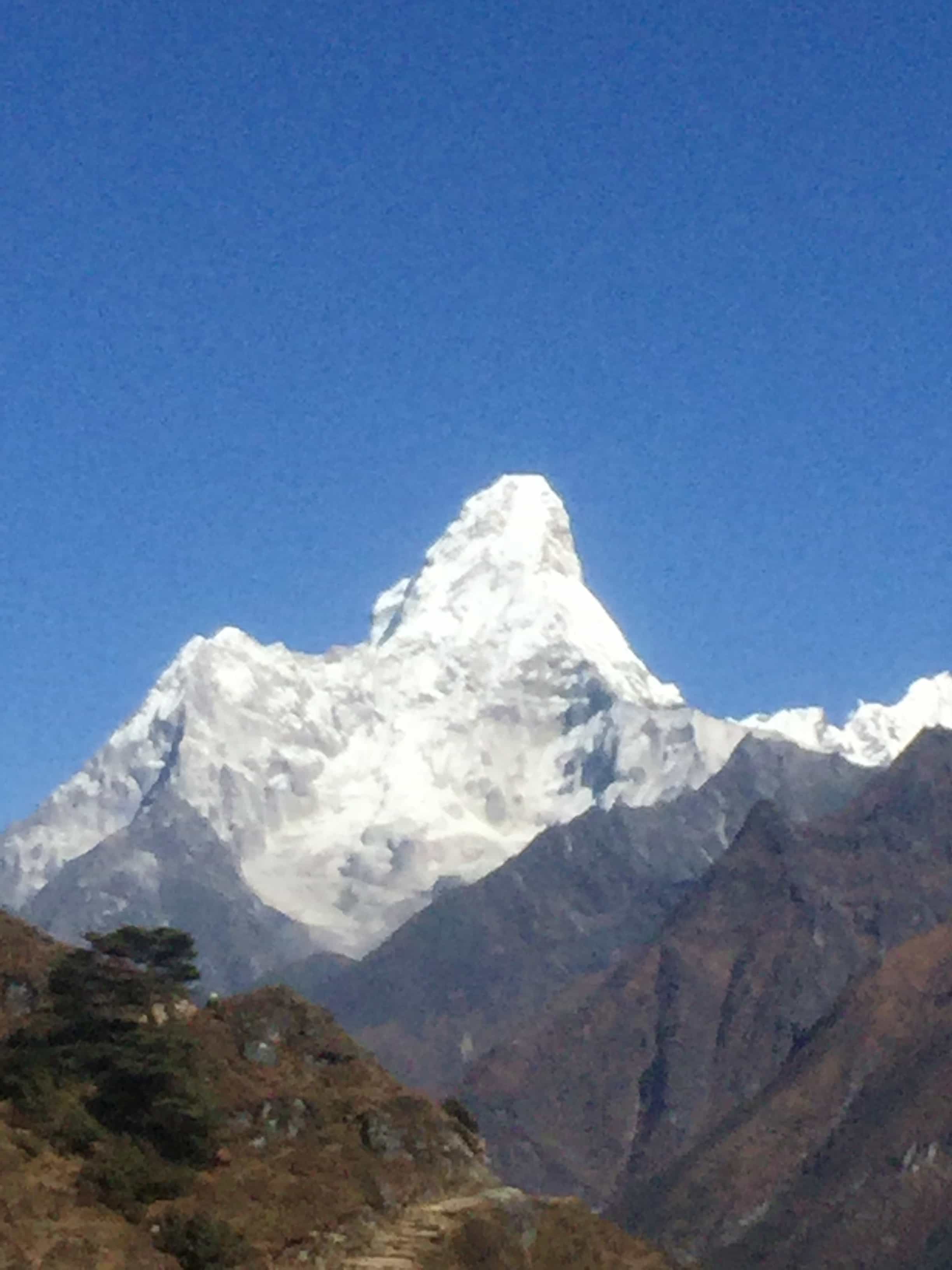
Mount Kailash (Kailash Parvat), also known as Gang Rinpoche, is located in the Ngari Prefecture of the Tibetan Autonomous Region oin China, near the borders of India & Nepal. The sacred mountain reaches an altitude of 6,638 meters (21,778 feet) above sea level.
It is close to the holy lake, Mansarovar. Both are significant pilgrimage sites for the Hindus, Buddhists, Jains, and Bon followers.
How difficult is the Kailash Mansarovar Trip/Yatra?
The Kailash Mansarovar Trip is widely regarded as one of the most challenging sacred journeys. It’s not a technical mountaineering expeditionBut itit is one of the highest-altitude pilgrimages in the world. It demands physical endurance and a strong mindset from the pilgrims due to the rugged terrain and harsh weather conditions.
The pilgrims will have to complete Kailash Parikrama (Kora), walking for many hours for 3 days.
Accommodations, food, and medical facilities are minimal in the Himalayan region.
Why do I need a guide for the Kailash Mansarovar Yatra?
A professional guide is highly recommended for the Kailash Mansarovar Yatra. The journey is physically demanding and takes place in the remote regions of Tibet.
The guides are familiar with the Kailash routes. During the 3 days of Kailash Parikrama, the devotees can depend on the tour guides, as they can safely navigate the walking paths.
Guides also properly handle other aspects of the trip, including logistics, permits, accommodations, transportation, and language barriers with local authorities.
How long will it take for the Kailash / Mansarovar trip?
The duration of the Kailash/Mansarovar Trip depends on the route the travelers choose.
Overland Route: This route usually takes 14 to 16 days. The tour begins from Kathmandu, driving to the Tibetan border via Kerung. The pilgrims travel through high-altitude and rugged terrain during the Lake Mansarovar Darshan and Kailash Parikrama. Despite the challenges, this route is one of the most popular routes for the Kailash Yatra.
Kathmandu-Lhasa Flight & Overland: The Kathmandu-Lhasa route usually takes 12-15 days. It is faster, safer, and more reliable than the overland route via Kerung. This also allows proper acclimatization and exploration in Lhasa before moving towards Mount Kailash and Lake Mansarovar.
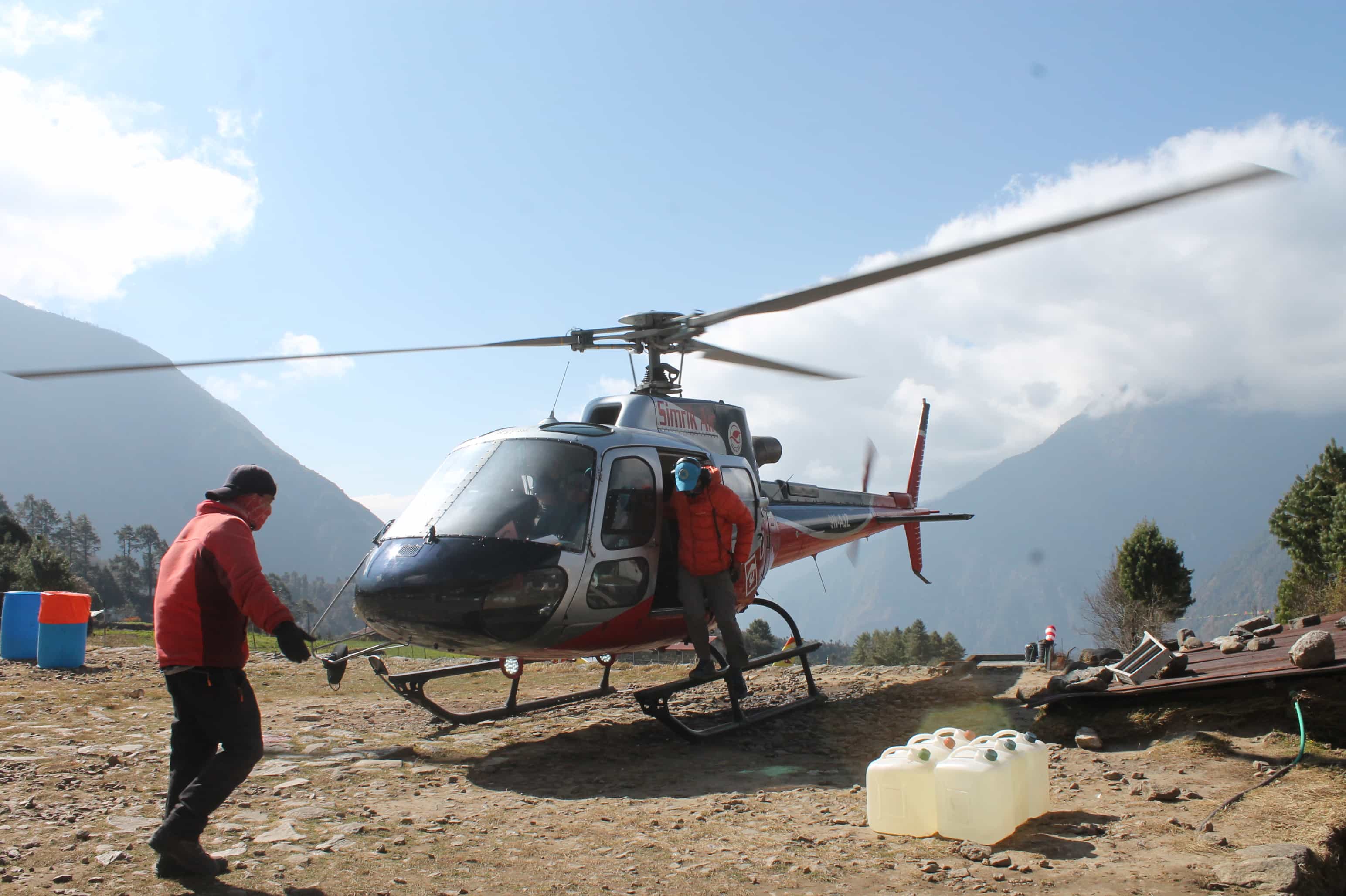
Helicopter Journey: The helicopter journey is the fastest, most comfortable, and most reliable, and usually concludes in 10-15 days. The route follows flights to Nepalgunj and Simikot from Kathmandu, followed by a helicopter to Hilsa and a drive to the Tibet border for the 3 days Kailash circumambulation.
Why is physical fitness required for the Kailash Mansarovar Tour?
The Kailash Mansarovar trip requires moderate physical fitness, cardiovascular endurance, and a positive mindset towards the trek that exceeds 5,000 meters.
The pilgrims should prepare at least 4-5 weeks before the journey, focusing on walking, swimming, light hiking and cardio exercises.
Pilgrims with major health issues associated with the heart and lungs are advised to consult their physician before undertaking the trip.
With proper acclimatization, fitness expert advice, and essential routines, a pilgrim can accomplish this spiritual and rewarding journey.
What type of food & accommodation are available during the Kailash Mansarovar Trip?
During the Kailash Mansarovar journey, the travelers will have basic but comfortable accommodations and freshly prepared food. The trip passes through a remote region with high-altitude passes of Tibet. In these areas, facilities are very limited compared to other trekking areas or pilgrimage journeys.
While staying in Saga and Darchen, the devotees stay in simple yet comfortable hotels/guesthouses. During the 3 days of Parikrama, pilgrims will have to stay in basic lodges or in tented camps.
The tour operators manage simple vegetarian meals without onion and garlic. The meal includes steamed rice, seasonal vegetables, chapatti, lentils, soups, noodles and tea. The food will be highly nutritious, providing energy for the high-altitude trek.
What is the altitude of Mount Kailash, Lake Mansarovar, and Dolma La Pass?
The Kailash Mansarovar is situated at a high altitude on the Tibet Plateau, and it stands as one of the highest sacred sites in the world.
Mount Kailash: Mount Kailash has an elevation of 6,638 meters (21,778 feet). It is one of the most revered, sacred, and spiritual centers for the pilgrims.
Lake Mansarovar: The holy lake is located on the southern side of Mount Kailash. It reaches a standing height of 4,600 meters (15,091 feet).
Dolma La Pass – Dolma La Pass, also known as “Goddess Tara Pass”, is situated at an altitude of 5,630 meters (18,471 feet).
Are there any ATM Facilities available during the trek?
The ATM facilities are very limited during the Kailash Mansarovar Trip, especially near Lake Mansarovar and Mount Kailash. You will not find reliable ATM services during the journey.
Some towns, such as Kerung, Lhasa, and Shigatse, have ATM facilities; yet, it is uncertain whether they accept international cards.
It is better to carry enough cash (Chinese Yuan) before heading towards the Kailash Mansarovar region. Kathmandu offers several options of exchange facilities to its visitors.
What are the conditions of the trekking trails during the Kailash Mansarovar Yatra?
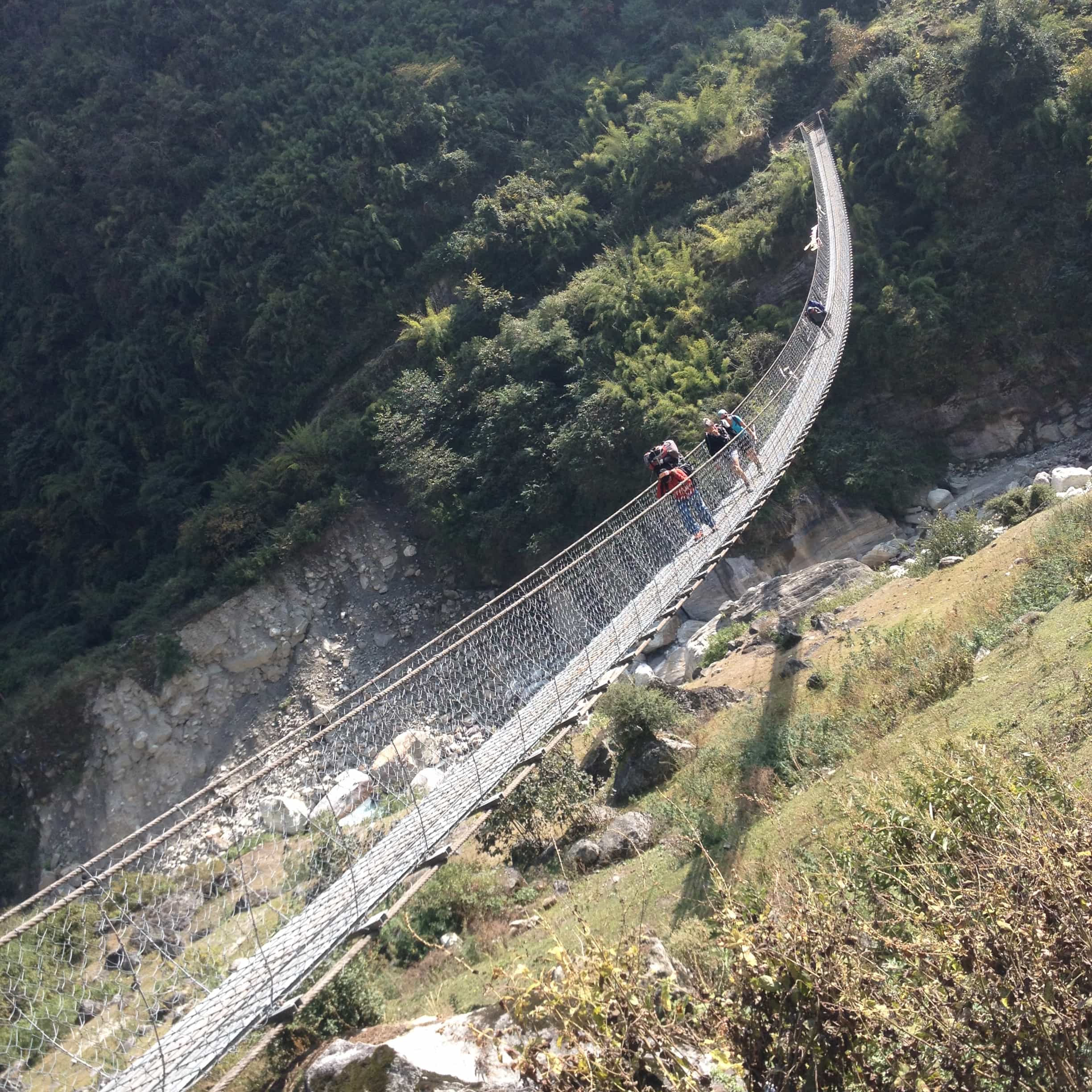
The trekking trails during the Kailash Mansarovar Yatra are diverse, rugged, challenging, yet rewarding for the pilgrims. The sacred path towards Mount Kailash is characterized by gradual ascents, rocky paths, and rugged landscapes, especially during the 3 days Kailash Parikarma (Kora).
The most challenging section of the trek is Dolma La Pass (5,630); it is also the highest point of the trek. The trails can be slippery, rocky, and sometimes covered with snow, depending on climatic conditions. Due to the high altitudes, the pilgrims may experience stronger winds, freezing temperatures, and low oxygen levels.
With good stamina and moderate fitness, anyone can take part in this spiritual journey.
How long is the Lhasa flight from Kathmandu?
The direct flights from Lhasa usually take around 1 hour 20 minutes to 1 hour 30 minutes, depending on the weather conditions.
The flights are operated by Himalaya Airlines, Sichuan Airlines, and China Southern Airlines from Tribhuvan International Airport to Lhasa Gonggar Airport.
Many pilgrims chose the Lhasa route because it shortens the travel period and also allow time for acclimatization and exploration in Lhasa before continuing the journey towards Mount Kailash.
What are some other sacred names of Mount Kailash?
Mount Kailash is also known by several other sacred names from different religions and traditions:
In Tibetan, it is called Gang Rinpoche: translated as “Precious Jewel of Snows” or “Precious Snow Mountain”, which reflects the sacred sites of Tibet.
In Hinduism, it is Kailasa, believed to be the divine abode of Lord Shiva.
In Jainism, it is revered as Ashtapada, regarded as the most sacred site where Rishabhadeva achieved nirvana and ultimate enlightenment. The Bon followers called it Tise, which means “sacred & blessed”.
What is the Mount Kailash Mansarovar helicopter journey?
The Mount Kailash Helicopter journey is a comfortable and convenient way to undertake the Kailash Mansarovar Tour. The Yatra is usually achievable in 10-15 days.
The helicopter tour allows a hassle-free journey, reduces travel time, and provides quick access to the destination for pilgrims.
The route follows flights to Nepalgunj and Simikot from Kathmandu, followed by a helicopter to Hilsa and a drive to the Tibet border for the 3 days Kailash circumambulation. The helicopter tour is also ideal for elderly citizens. The pilgrims will also have the bird’s-eye views of the Himalayan and snow-capped mountains.
How many hours do I need to walk for the Mount Kailash overland routes?
The Mount Kailash overland routes require 3 days of walking, covering 52 kilometers, with walking ranging from 18 to 22 hours in 3 days. The trek is demanding, including high-altitude, slippery paths and rugged terrain.
Day 1: Darachen to Dirapuk (5-7 hours of walking) 18 km
Day 2: Darchen to Zuthulpuk via Dolma La Pass (9-11 hours, 22 km
Day 3: Zuthulpuk to Darchen (3-4 hrs of comfortable walking). 12 km
What is the highest point of the Kailash Mansarovar Trek?
The highest point of the Kailash Mansarovar Trek is Dolma La Pass, which has an elevation of 5,630 meters (18,468) above sea level.
This is the most challenging and equally rewarding part of the Kailash trek. It usually takes place on the second day of Parikrama (Kora). From the top, travelers will experience the spectacular views of the surrounding mountains and peaks. It is also considered the sacred part of the trek.
What about the internet & communications during the journey?
The internet facility and communication services are limited during the Mansarovar Kailash trip. The mobile signals are limited only to the major cities of Tibet. As pilgrims approach Lake Mansarovar and Mount Kailash, the mobile networks disappear.
When you are at a high altitude, there will be no internet access. You may find Wi-Fi services near the guest house of Lake Mansarovar. However, it will not be reliable.
The tour operators often carry satellite phones for emergency communication.
What about electricity, gadgets & mobile charging during the journey?
During the Kailash Mansarovar Trip, electricity facilities are limited and rarely available, especially in the Mansarovar and Kailash areas. The guesthouses and hotels are unreliable in providing electricity to their guests.
Charging points for mobiles, camera, and gadgets are usually available in the accommodations; an additional cost may be charged. There will be no availability of electricity at the tented camps during the Parikrama.
What should I pack and prepare for the tour?
Clothes: Warm layered, down jacket, thermal, hand gloves, woolen caps, and a good pair of trekking shoes.
Essentials: Sunglasses, sunscreens, personal & basic medicines, reusable water bottle, energy bars and small backpacks
Gadgets & Utilities: power banks, mobile chargers, spare batteries, flashlights.
Documents: Copy of passport, necessary travel permits, travel insurance, and some extra passport photos.
Health & Safety – Personal Medicine, Basic Aid Kit (adhesive bandages, gauze pads, antibiotics, ointments, wound care & miscellaneous).
What are the spiritual highlights of the Mount Kailash Mansarovar Trip?
The Kailash and Mansarovar trip is one of the sacred high-altitude pilgrimages in the world. Its key highlights are
· Mount Kailash Darshan
· 3 days Parikrama (Kora)
· Holy Bath in Lake Mansarovar
· Dolma La Pass (5,630 m) – the highest point of the trek
· Gauri Kund
· Stoppage point of Kedarnath
· Multi-Religion Significance – Hindu, Buddhist, Jain, and Bon followers.
Who is eligible for the Kailash Mansarovar Yatra? Are there any age or health restrictions?
The Mount Kailash Mansarovar Yatra is a high-altitude pilgrimage. It requires moderate physical fitness. Since the journey takes the visitors to an altitude above 5,500 meters, there are certain eligibility criteria you need to follow.
Eligibility
· 15/18 to 70 years are allowed
· People below 15/18 years are not allowed due to the high altitude.
· All travel permits and a valid passport with at least 6 months' validity
· Moderate physical fitness and a strong mindset are required for the 3-day Kailash Parikrama (Kora)
· People suffering from severe health problems like asthma, heart disease, high blood pressure, and lung conditions are not allowed.
· Solo trips are prohibited.
Is the wheelchair accessible during the trip?
Mount Kailash and Lake Mansarovar are not wheelchair-accessible regions due to high altitudes, rocky paths, and rugged terrain. Several parts of this region lack basic infrastructure.
During the journey, the pilgrims need to walk for at least 3 days, which makes wheelchair use impossible.
What is the connection between Mount Kailash and Lord Shiva?
Mount Kailash is believed to be the eternal abode of Lord Shiva, one of the three deities of the Trimurti: Brahma (the creator), Lord Vishnu (the Preserver) and Shiva (the destroyer).
Kailash is also considered the cosmic axis, classified as Mount Meru, which serves as a pillar supporting the heaven.
The 3-day Kailash Parikrama cleanses the sins and leads the devotees towards liberation (Moksha).
Why is Mansarovar Lake sacred?
Lake Mansarovar is considered one of the holiest lakes on Earth. It holds deep spiritual significance and is a pilgrimage site for Hindus, Buddhists, Jain, and Bon followers.
Located on the southern side of Mount Kailash, devotees take a holy dip and perform rituals. There is a belief that Mansarovar Lake is the ultimate source of spiritual cleansing, which washes away the sins and leads the pilgrims to liberation (moksha).
What is the significance of Kailash Parikrama (Kora)?
The Kailash Parikrama (Kora) is a 52 km, three-day pilgrim high-altitude walking journey. It is a circumambulation around Mount Kailash and is considered the most significant section of the Kailash journey. Kailash Kora is significant for Hindu, Buddhist, Jain, and Bon religions.
Pilgrims have a deep faith and they believe Kailash Parikrama cleanses past sins, purifies the soul, and brings spiritual blessings from Lord Shiva.
The route passes through DoLma La Pass, which is challenging yet rewarding. The Dolma La Pass symbolizes the spiritual renewal of the soul.
What are the costs involved in the Kailash Mansarovar Overland Trip?
The packages and cost generally include:
· Travel Permits
· Tibet Visa
· Transportation (bus/jeep)
· Accommodation Expenses
· Meals Cost
· Guide, and Support Staff
What are the hidden charges to be paid directly by the traveler?
During the Kailash tour, the packages include almost everything that you need during the journey. However, the pilgrims need to pay for some personal expenses and optional costs.
· Charges of Horse, Pony or Porter during Parikrama
· Personal expenses (snacks, laundry, drinks, etc.)
· Tips for support staff and guides
· Gadgets Charging Fee
· Medical expenses or accommodations in case of any emergency or delays.

Leave a reply
Your email address will not be published.