Everest Region—"Experience the Sherpa’s warmth above 5,000 meters."
“Everest Region," also called “Khumbu Region," is one of the most spectacular places on Earth. The beautiful region is highly admired for several reasons. The first—it is the home to Mount Everest (8,849 m), also known as "Sagarmatha"—the world’s highest peak.
The Everest Region is not only known for Mount Everest. This place is also native to the Sherpa people, who are admired for their mountaineering skills and warm hospitality.
Beyond climbing to the summit, the region features high-altitude trekking, hiking to Gokyo Lake, Kalapatthar viewpoint, and an exciting flight from Kathmandu to Lukla.
There was also the historic legacy of Sir Edmund Hillary and Tenzing Norgay, who were the first summiters of Everest.
Every year, thousands of people from around the world come to the Everest for trekking, adventure, cultural exploration, and spiritual peace.
Highlights of the Everest Region
· Mount Everest—The tallest peak of the world (8849 m).
· Explore the Everest region from Kala Patthar (5,545 meters).
· Admire the mountains—Lhotse (8,516 m), Nuptse (7,861 m), Makalu (8,485 m), Cho Oyu (8,188 m).
· Reach the Everest Base Camp (5,364 m) – the dream of trekkers from all around the world.
· Visit the UNESCO World Heritage Sites – Sagarmatha National Park
· Visit Tengboche Monastery
· Know the culture, customs and traditions of the Sherpa community.
· Admire the beauty of the Gokyo Lakes.
· Experience the hospitality in the traditional villages of Nepal.
· Explore Namche Bazar and the famous mountain airport, Lukla.
Historical Significance of Everest
The Everest region earned recognition in 1953 when Sir Edmund Hillary and legendary Nepali mountaineer Tenzing Norgay successfully set foot on Mount Everest.
The achievements have been recognised globally, and Everest has become a dream destination for many climbers and trekkers. Since then, the Everest region becomes the destinations for adventuring, climbing, and exploring, which draws attentions of the travelers from every corner of the world.
However, the history of the Everest region is not limited to mountaineering.
For hundreds of years, the Everest region has held profound spiritual and cultural significance for Sherpa communities. They develop a culture which is influenced by Tibetan Buddhism. Since their establishment, they have been known for their hospitality, warmth and kindness.
The Sherpa Culture
The Everest region is the home of the Sherpas. The most impressive aspects of the Everest region are deep-rooted Sherpa traditions and culture.
The Sherpa community people have been admired all over the world for their mountaineering skills, generosity, and friendly behaviour.
The Sherpa income depends on agriculture, livestock, small business and largely on tourism. The tourism business plays a significant role in the life of Sherpas.
During the Everest region, visitors can experience the
Everest base camp trek
Everest base camp trek
· Major Sherpa settlements (Namche, Khumbhu, Phakding)
· Ancient Monastery (Tengboche)
· Prayer Wheels and Mani Walls
· Colourful Prayer Flags
· Prayer Flags
· Local Festival & Ceremonies
· Authentic Sherpa Cuisine
During Everest region traveling, you will be delighted by the resilience, spirituality and harmony of the Sherpas.
Sagarmatha National Park
Established in 1976, covering approximately 1150 sq kilometers and recognized by the UNESCO World Heritage Site in 1979, Sagarmatha National Park is one of the iconic sites of the Everest region.
It is famous for its Sherpa culture, dramatic landscapes, rare wildlife, and some of the world’s highest peaks.
At the lower elevations of Sagarmatha Park, you will be overwhelmed by seeing the blooming pink and red rhododendrons, different species of birds, flora, & fauna.
Aside from this, you will find several wildlife. Some of the notable animals include the
· Snow Leopard,
· Red Panda,
· Musk Deer,
· Monal,
· Red Fox,
· Himalayan Griffon,
· Black Bears,
· Monkeys and langurs.
The Sagarmatha National Park requires permits from visitors. The foreigners must pay 3,000 NPR, while SAARC nationals pay NPR 1,500 and 100 Rs for Nepalese citizens.
The park safeguards both nature and the ecosystem, preserving cultural traditions, making it effective for the tourism business.
Lukla: The Gateway to the Mount Everest
Lukla is a small and beautiful town that has an elevation of 2,860 meters and is situated in the Khumbu region. It marks the point where the Mount Everest journey begins.
Due to its short runway, it becomes one of the most thrilling airports in the world.
Upon arriving at Lukla, the trekkers instantly experience the excitement and thrills of being surrounded by sky-touching mountains and peaks.
Basically, Lukla is not a town; it is a transition point between the modern world and the natural world, where flight ends, and your trekking journey starts towards Everest Base Camp, Kala Patthar and Mount Everest.
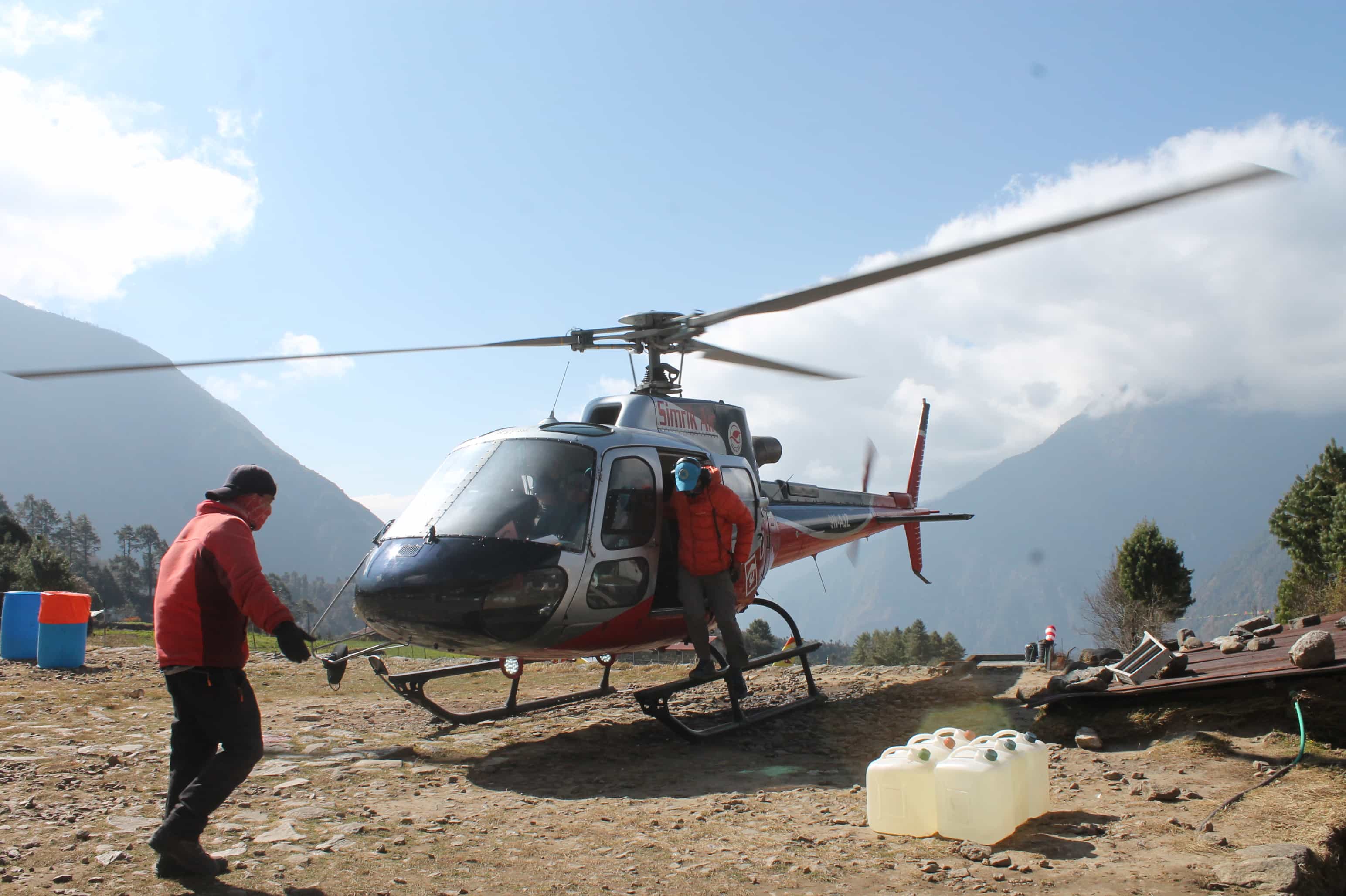
Lukla also serves as the logistical hub where several pieces of equipment are supplied through this region. Although it is remotely located, it offers comfortable hotels, tea houses, coffee shops, bakeries, trekking services and more.
Namche Bazar—a bustling place of the Everest region
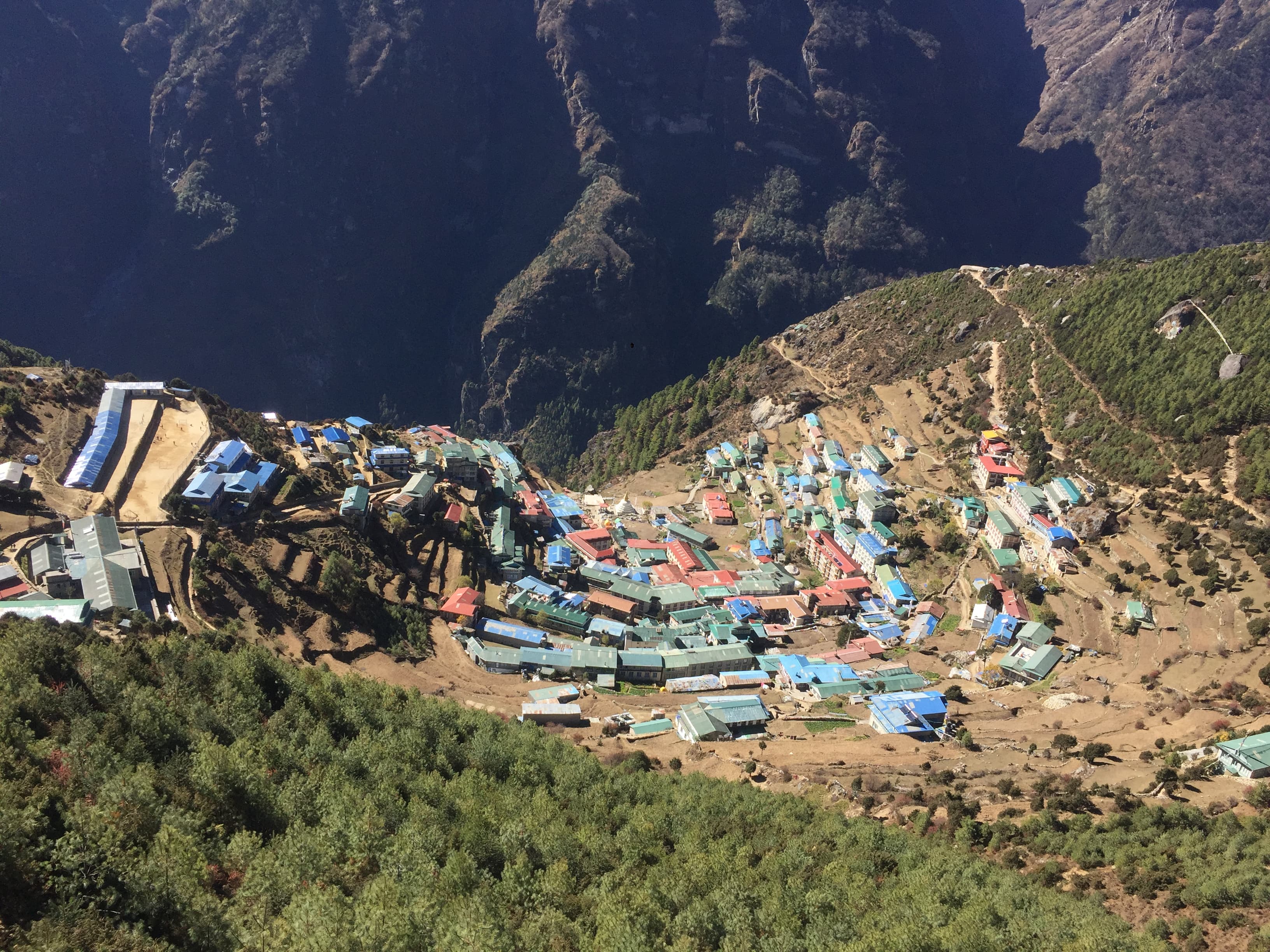
Namche Bazar is the historic town of the Sherpas located in the Solukhumbu district. Sitting at an elevation of 3,440 m, it serves as the gateway to Everest and also the bustling place of the Everest region.
Namche Bazar is a place where couples pause (acclimatize) for 1-2 days during the Everest journey.
It is also the commercial center of the Everest region. The bustling town features:
· Hotels, lodges, restaurants
· Bakeries, cafes
· ATMs, Banks
· Internet services
· Mountaineering equipment
· Handicrafts
· Local products
Aside from this, Sagarmatha National Park Centre, Hotel Everest View, and Sherpa Culture Museum are the nearby attractions from Namche Bazar.
The city also offers incredible views of vistas, including Mount Everest, Ama Dablam, Lhotse, Nuptse, and other mountains.
During the acclimatization at Namche, you will be overwhelmed by the gracious hospitality of Sherpas. In addition, you will also be delighted to see their monasteries, festivals, culture and traditions.
Namche Bazar is one of the most significant places in the Everest region and is also referred to as the “capital of Sherpas”.
The Everest Base Camp Trek (EBC)
The Everest Base Camp Trek is one of the most iconic treks in the world. It is a thrilling 12-14-day journey in the Everest region. During the journey, you will be overwhelmed by the majestic mountain peaks, glaciers & ice, dramatic landscapes, lush green forests, elegant villages, rich Sherpa Culture, and more.
The EBC route passes through
· Lukla (flight from Kathmandu)
· Phakding
· Namche Bazar (Acclimatization Point)
· Tengboche
· Pangboche
· Dingboche (2nd Acclimatization Point)
· Lobuche
· Gorakshep
· Everest Base Camp
Spring (Mar-May) and Autumn (Sep-Nov) are the best times for the EBC trek. During both seasons, there are very few chances of rain. The trekkers will get spectacular views of the mountains. The weather is warm, days are longer, and the trails are filled with vibrant rhododendron, especially during April-May. October and November are the peak season of the EBC trek. In the meantime, the hotels, lodges and tea houses are overcrowded. Meanwhile, Monsoon (June-Aug) and winter (Dec-Feb) are not recommended due to heavy rainfall and extreme cold.
Although, you will not be able to see Mount Everest from Everest Base Camp. The trekkers can experience the stunning views from Kalapatthar, which is just 4 to 5 kilometers from the EBC Camp.
Kala Patthar (5,545 meters)
Kala Patthar is one of the most promising places in the Everest region. It has an elevation of 5,545 meters and is widely considered the best viewpoint of Mount Everest. During the EBC journey, the trekkers reach their highest point, but don’t get views of Mount Everest and other mountains.
Kala Patthar is an iconic place where you will experience the spectacular views of
· Mount Everest (Sagarmatha)
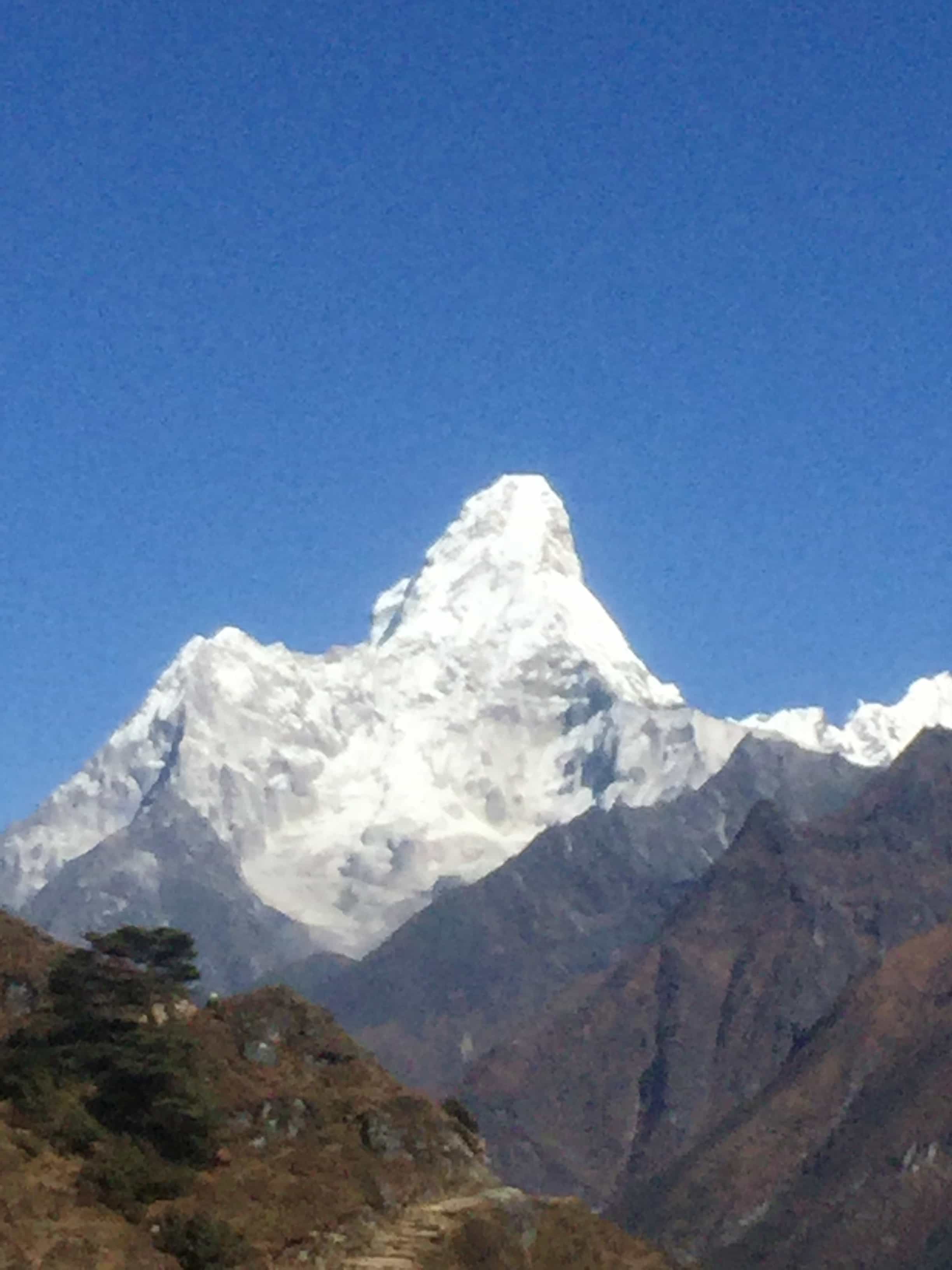
· Ama Dablam
· Lhotse
· Pumori
· Nuptse
· Thamserku and more..
The climb is a bit difficult; you require mountaineering skills to reach the summit of Kala Patthar.
Tengboche Monastery
Tengboche Monastery is a sacred Buddhist monastery situated in the Khumbu region. Situated in the village of Tengboche, it has an altitude of 3,867 meters. It is a major spiritual centre of the Sherpa community.
The sacred monastery was built in the year 1916 by Lama Gulu. Tengboche has a deep connection with the Rongbuk Monastery – one of the most adorable monasteries in Tibet.
The monastery has faced several challenges and overcome since its establishment. It was damaged in the year 1934 during an earthquake. However, later it was rebuilt and restored by Sherpas and some foreign aid companies.
This is the principal monastery of Tibetan Buddhism. From here, you will get the eye-catching views of Ama Dablam, Mount Everest, Lhotse and Nuptse.
A visit to Tengboche in the Everest region offers deep cultural knowledge to the visitors. The travellers will also experience the culture, traditions, and lifestyle of the Sherpa community.
Gokyo LakLakes—Hiddenms in the Himalayas
Many of you are unfamiliar with Gokyo Lakes; it is a hidden gem in the Himalayas. Situated inside the Sagramatha National Park, the elevation ranges from 4,700 to 5,000 meters. It is also considered as highest freshlake water systems in the world.
The Gokyo Lakes are famous for their turquoise water, a calm and serene atmosphere and jaw-dropping Himalayan scenery.
Gokyo comprises 6 major glacial lakes and 19 freshwater lakes, among them Thonak Lake is the largest, but Dudhpokhari is most famous because the Gokyo lake is situated next to it.
Its elevation ranges to 5,000 meters. From here, the trekkers will experience the stunning views of
· Mount Everest
· Thamserku
· Ama Dablam
· Lhotse
· Nuptse
· Cho-Oyu
· Makalu
High-Altitude Challenges
Altitude is one of the challenges during your Everest region journey. As trekkers have to ascend above 3,000 meters, oxygen levels decrease substantially.
Proper Acclimatization is extremely significant during the journey. It saves you from severe health issues like
· Nausea
· Vomiting
· Shortness of breath
· Fatigue
· Body ache
· Fever
· Loss of Appetite
· Difficulty sleeping
· Major high-altitude diseases – Acute Mountain Sickness and High-Altitude Pulmonary Edema.
Experienced and professional guides are highly recommended during the tour. Staying hydrated, taking rest, and maintaining a balanced diet play a key role during the Everest journey.
Best time to explore the Everest Region
Spring (Mar-May)
· Mild temperature and good season for trekking and adventure
· Longer daylight hours
· Rhododendrons bloom across the landscapes (lower elevations).
· Perfect time for the first-time trekkers
· Good trail conditions.
Autumn (Sep-Nov)
· Stable weather after the monsoon's best season for the trekking adventures
· Crisp air and clear visibility of mountains
· Perfect time for avid photographers
· Busiest trail conditions, especially in October
· Advance booking is recommended.
Monsoon (July-August)
· Heavy rainfall everywhere, low season
· The trail becomes slippery.
· Poor mountain visibility
· High chances of cancellations of Kathmandu-Lukla
· Not recommended for first-time trekkers.
Winter (Dec-Feb)
· Extremely cold, especially above 3500-4000 meters modeate season
· The trails become impassable.
· Clear skies, but the condition is harsh.
· Some tea houses were temporarily closed at the higher altitudes.
· Perfect for experienced trekkers.
Conclusion
The Everest is not only limited to reaching the summit of Mount Everest. It is more than it. It has its own beauty of significance. From the bustling city of Namche Bazar, the spiritual Tengboche monastery, the legendary EBC Camp, elegant villages, spectacular Kala Patthar viewpoints, each step uncovers another layer of beauty, difficulty, and culture.
It is a promising place where physical and spiritual meet, away from chaos and crowds.
Whether you are an adventurer, a mountaineer, a trekker, or a cultural enthusiast, the Everest region offers you unforgettable and flawless memories.

Leave a reply
Your email address will not be published.